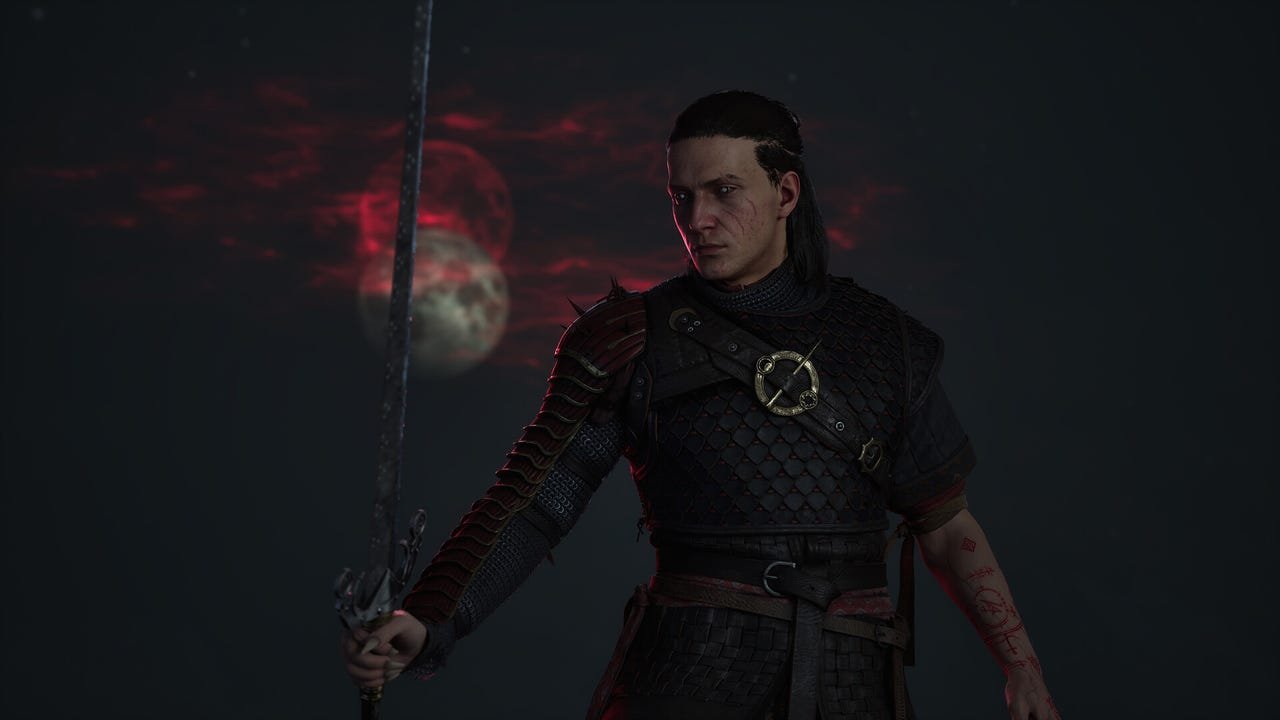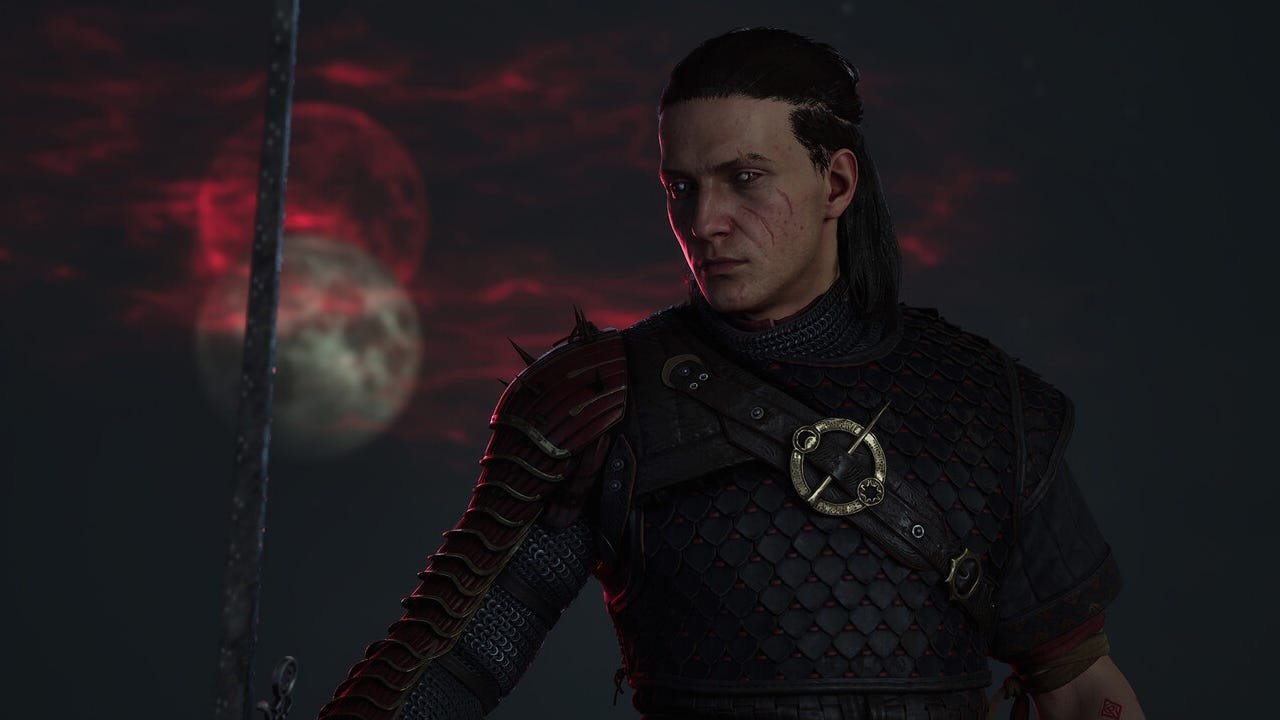
Remedy recently shared more details on its upcoming sequel, Control Resonant.
At a digital preview attended by Eurogamer earlier this month, the developer spoke more about stepping out of Control’s Oldest House and into Resonant’s warped Manhattan, the series’ new character Zoe De Vera, melee combat, and more.
First off, Remedy was very keen to stress that Control Resonant is Dylan’s story, and his sister Jesse Faden – who was the protagonist on Control – will not be playable in the sequel.
“I just want to get this out of the way, because we’ve seen quite a lot of speculation online,” Remedy’s communications director Thomas Puha said straight off the bat. While Puha said usually the team loves seeing speculation, “in this instance, I do want to confirm that Jesse Faden is not a playable character in Control Resonant”.
That being said, Jesse will still have a “significant role” in the Control sequel. “I mean, she was in the announcement trailer, so she’s a big part of the game, but she is not playable,” Puha furthered. “This is Dylan’s experience, very much so. So I just wanted to get that out there because we don’t want to mislead players.”
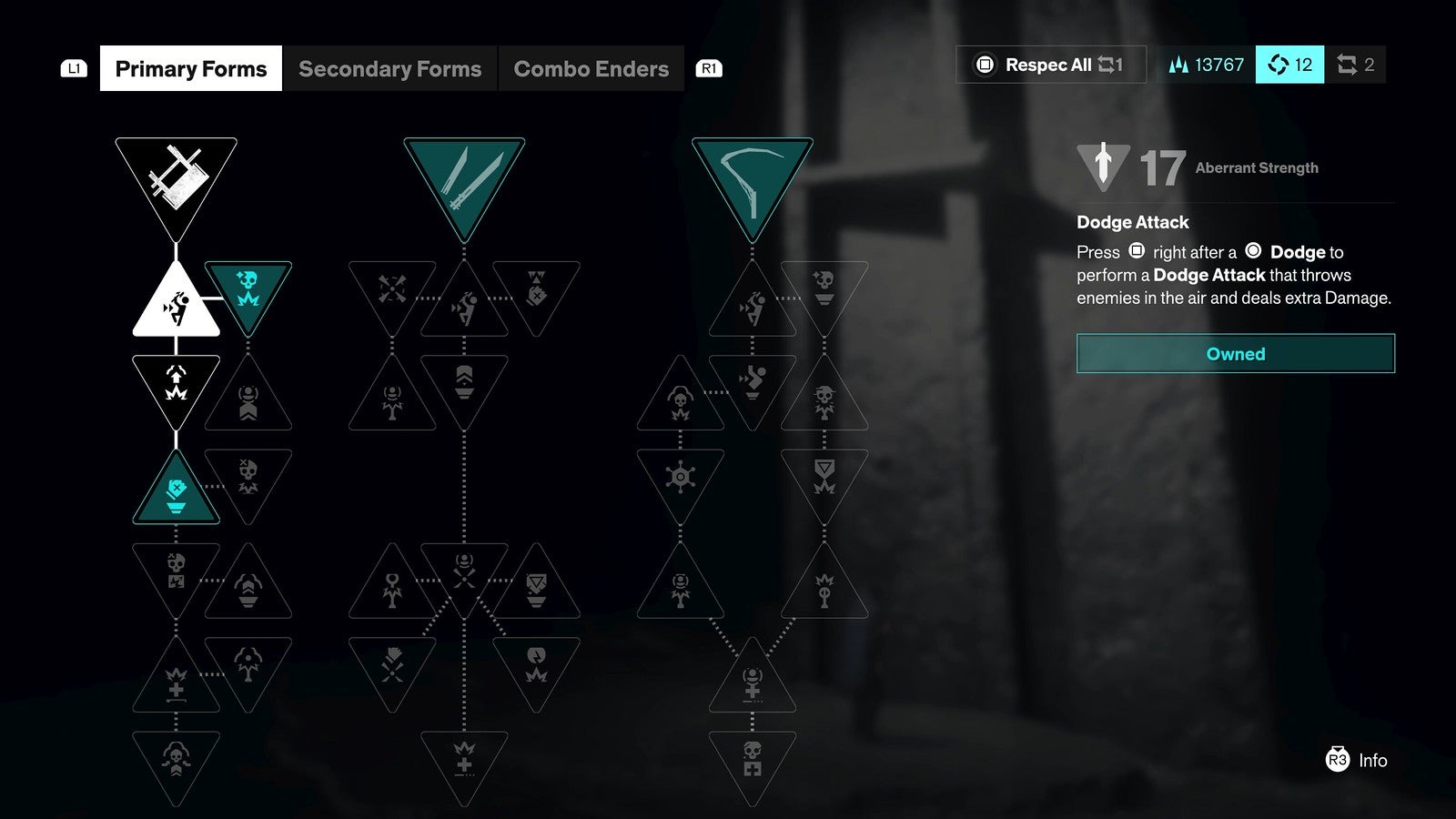
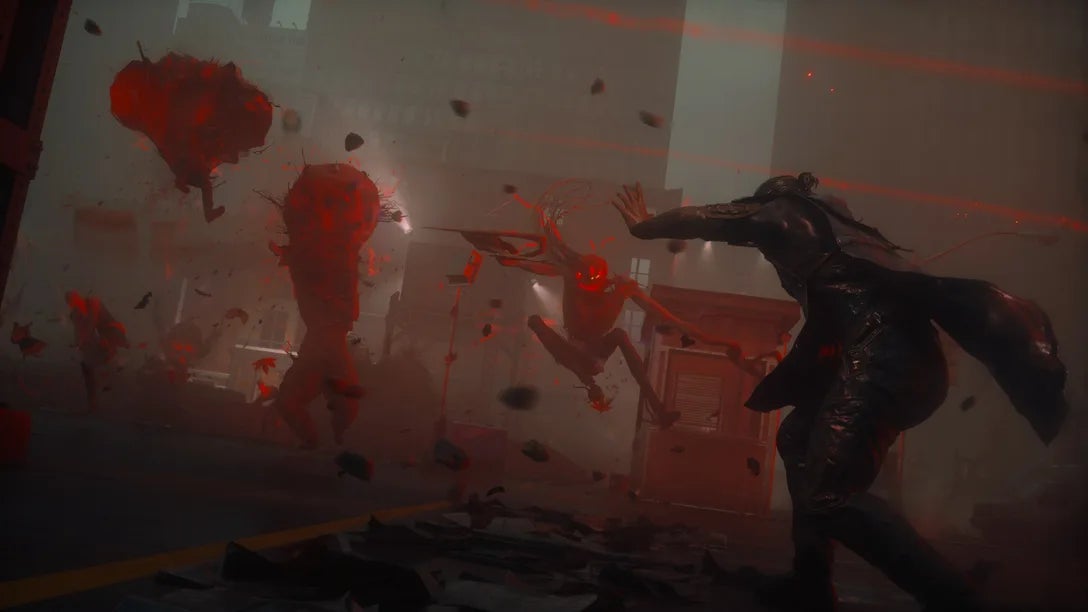
During the same presentation, Remedy affirmed that despite what some may have surmised, Control Resonant is not a soulslike. It is an action-RPG with a focus on melee combat, “supernatural synergy” and skill trees.
So, while Jesse had her gun, Dylan has a mammoth shapeshifting melee weapon, known as the Aberrant. Combat in Control Resonant isn’t only about weapon forms, however, and momentum also plays a key role. In the words of Remedy’s senior communications manager Miika Huttunen, in Control Resonant “aggression fuels power”. This means that a melee hit will restore your Combat Ability resource, and then Abilities can stun enemies, which will open them up for executions. Executions then boost melee damage, but only temporarily.
“The more you commit to close-range pressure, the more tools you gain to stay in control. It’s a loop designed to reward decisiveness and flow,” Huttunen said. “At the same time, different playstyles are fully supported. For example, you might lean into a heavy close-range build or opt for a more tactical setup using summons like Mold Turrets, which attack independently and apply harmful status effects.”
The developer also confirmed that while there is the ability to dodge in Control Resonant, there is no parry.
As for Control Resonant’s Manhattan, it is not an open world with an alarming number of side quests and everything under the sun dotted around to unearth, and instead is divided into unique zones. Remedy has sought to reduce that overwhelming “anxiety” with Resonant’s map, which it says is an improvement over the first Control. To do this, the developer has added World Quests – which are self contained narrative stories players can start and finish separately to Dylan’s main campaign story – and other encounters in each area of Manhattan.
“We don’t want the map to stress you out with tons of similar things to grind through,” explained Control Resonant’s creative director Mikael Kasurinen. What Remedy wants is to “convey an exciting selection of distinctive options on how you want to spend your time”, and this means – in this world, at least – “less is more”, Kasurinen said.
“On top of those, there are a lot of activities featuring action, gameplay, and puzzles,” the developer furthered. “All of them grounded into the larger narrative. Some are bite-sized fun, while others require more time and attention. Or if you’d like, you can explore the world and discover secrets and lore.
“We want the world to be a place that you want to return to.”
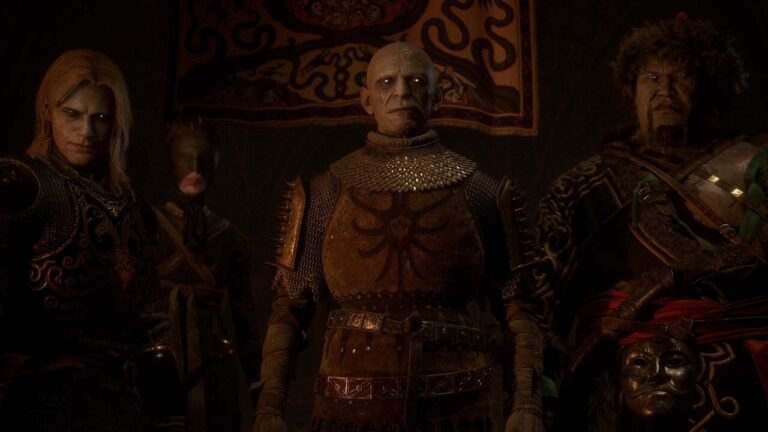
Meanwhile, while there will be some returning faces in Control Resonant, there will be some new ones, too. One such character is FBC field agent Zoe De Vera, who acts as Dylan’s handler. The relationship between Dylan and Zoe will have to be built on trust and more, with Remedy stating it “anchors the emotional core of the experience”.
As we have seen in earlier trailers, Control Resonant features a dialogue system, which has been inspired by Firewatch, but only one game ending. “We like it when people are feeling like they are doing stuff in the world. So [it] was very important that you get to make these types of choices while you do other things at the same time,” Kasurinen explained.
“Yes, as you navigate these conversations, you sometimes make choices, and then yes, there is no way of going back. I do want to be clear that we are not doing multiple different endings or anything like that.”
The developer said Remedy wants a “cohesive, good story”, and of course “Dylan is one type of a character, so there are limits to how he can react to different situations, and so on”.
“They’re all different facets of him at the end of the day,” Kasurinen said.
Control Resonant is planned for release in 2026 across PlayStation 5, Xbox Series X/S, PC via Steam and Epic Games Store, and Mac via Steam and the App Store.
In other Control-related news, last year, the studio’s CEO Tero Virtala stepped down from his position at the company. While Remedy’s announcement did not indicate a reason for Virtala’s departure after 11 years, it followed a profit warning to investors “due to weak sales” of the studio’s multiplayer Control spin-off, FBC: Firebreak.
In February of this year, Jean-Charles Gaudechon – a former EA executive and senior vice president of fantasy sports betting platform Sleeper – took over as Remedy’s CEO.