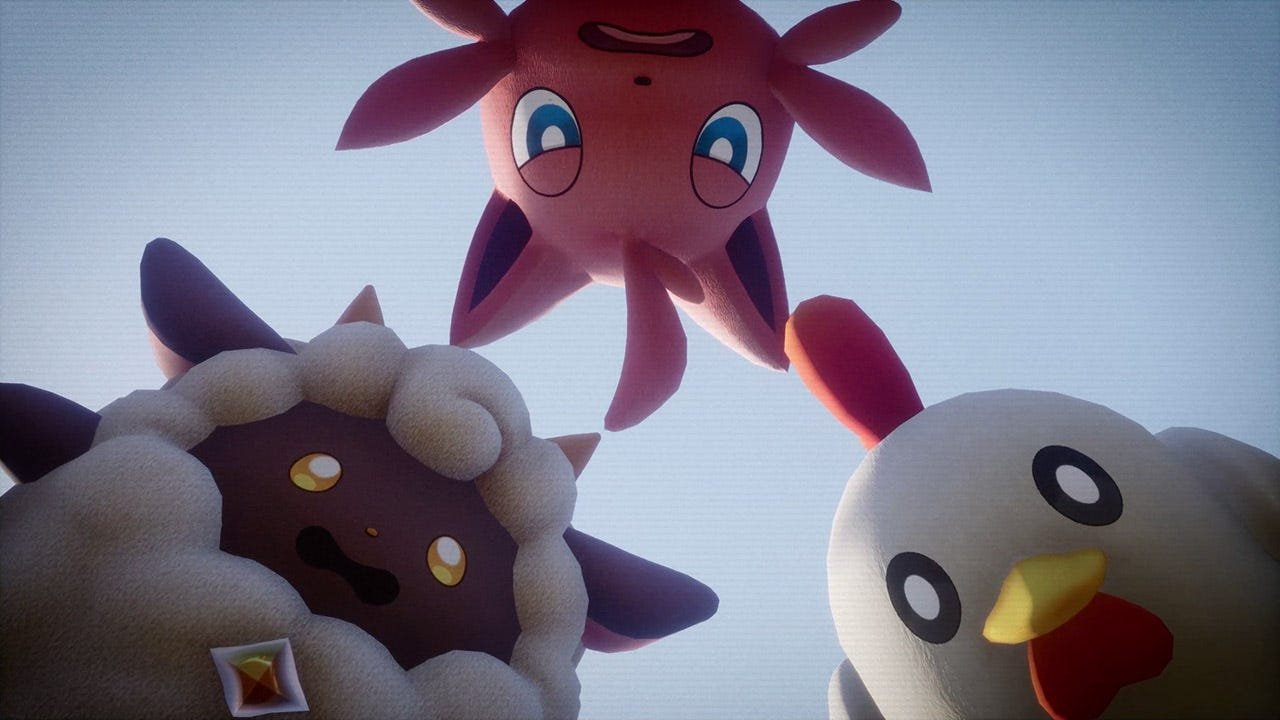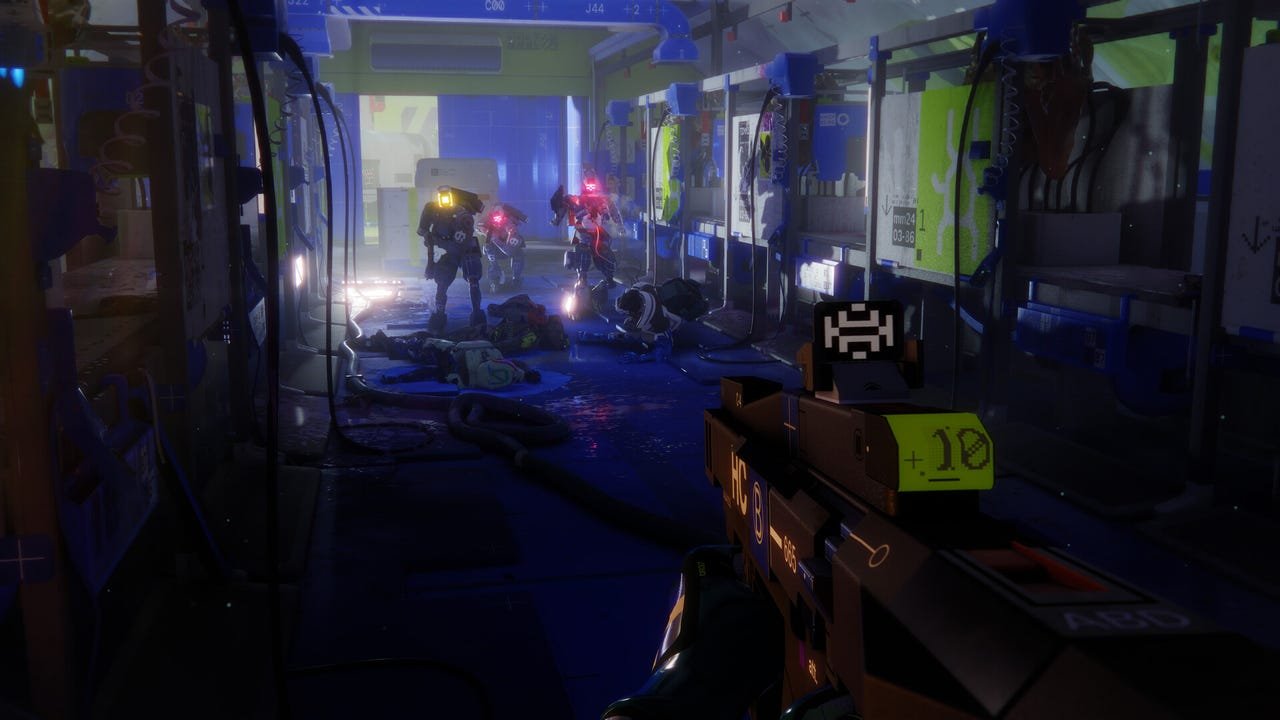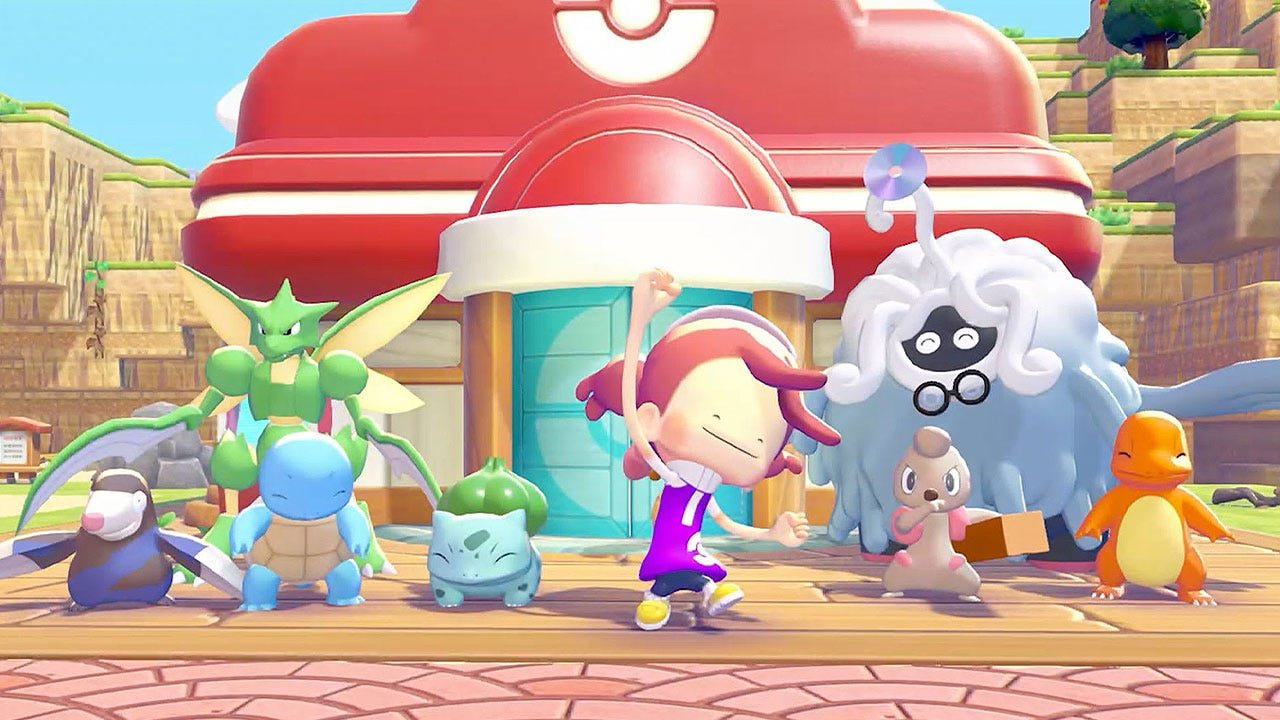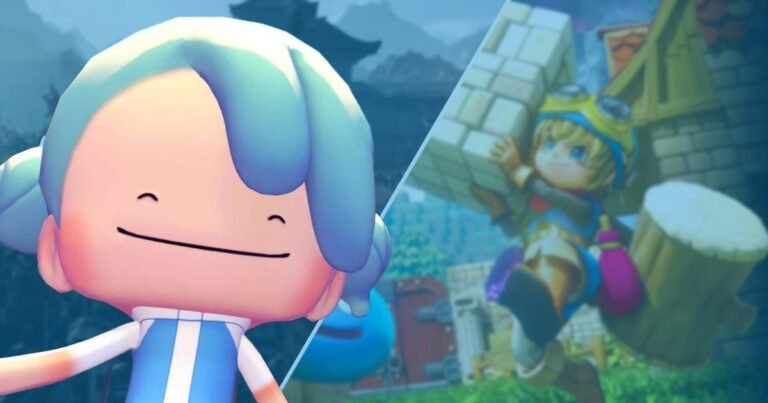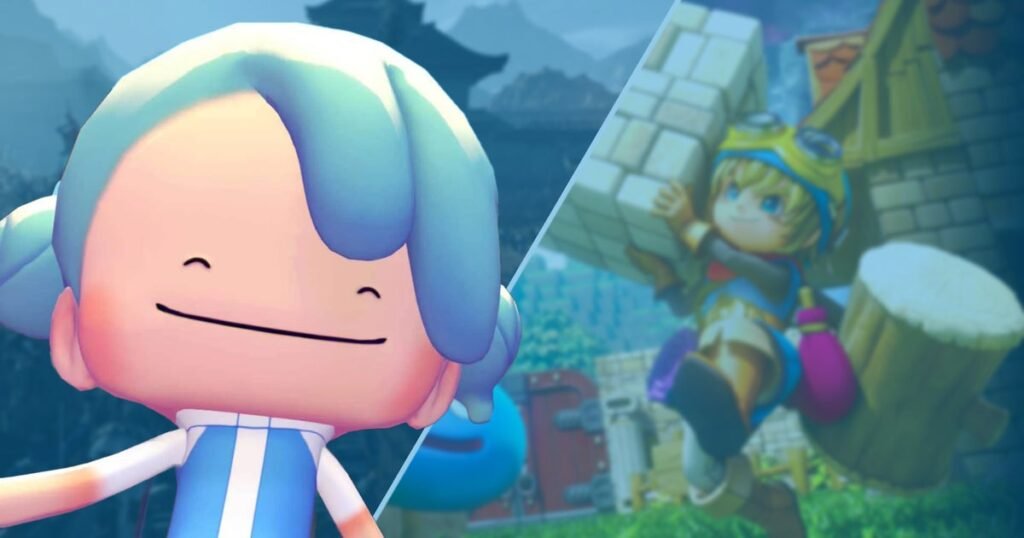
I have owned Pokémon Pokopia for less than three days and I already have nearly 20 hours of playtime. Help. As anyone with an internet connection knows, the game is taking the world by storm: whether it’s the industrious way people are taking advantage of its logic to create ridiculous super-structures, or the fascinating, slightly off-putting post-apocalyptic vibes of its world, Game Freak and Omega Force have concocted something very special with this game. It’s all the best bits of Animal Crossing, Viva Piñata, and Stardew Valley, and probably the first proper system seller for the Switch 2. Well done to all involved.
But I am not surprised by this revelation. I am part of the Koei Tecmo faithful. For those unaware, Pokopia comes from the developer behind one of my favourite games of all time (yes, really): Dragon Quest Builders 2. And a quick glance at the overview of each makes that blindingly visible; both are set in a completely broken world you’re tasked with repairing, both feature disparate communities you need to glue back together, and both carry on the narratives of (very) old games in their respective canons. Where Pokémon Pokopia ponders a ‘what if’ scenario in post-cataclysm Kanto, Dragon Quest Builders 2 goes back to the ending of the second game in the main series and ‘what ifs’ one of the endings. Think ‘are we the baddies?’ and you’ve got a vague idea of how it thrashes out.
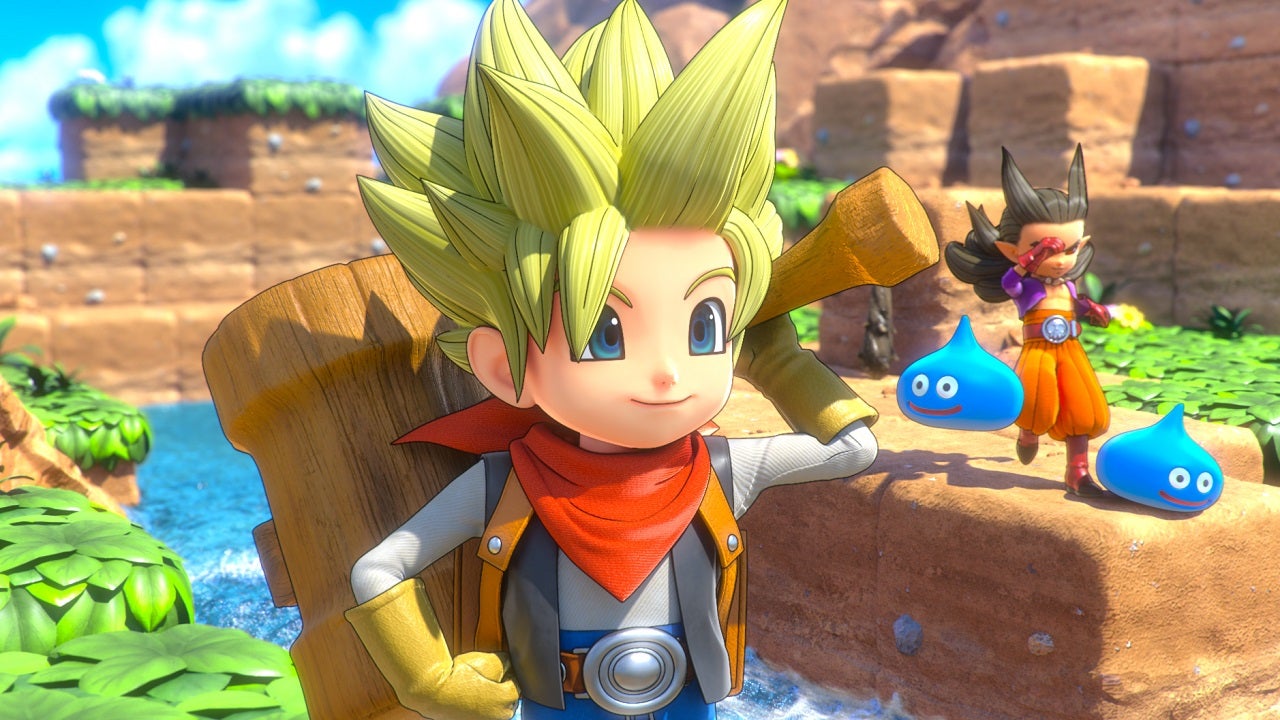
Even down to its structure, Dragon Quest Builders 2 is the unofficial prequel to Pokopia: as you restore different regions, the conditions you need to meet in order to find success become more obscure, more complicated, more conflicting. Pokémon is all about the minutiae of day-to-day life – making you ask questions you never thought you’d need to ask like ‘how can I make this toilet more pleasant for a Mr. Mime?’ – whereas DQB2 is a bit more like hit indie game Moonlighter. Ergo; what do heroes and fantasy realm-dwellers need to thrive? (Spoiler: it’s usually taverns, armories, and… public toilets?)
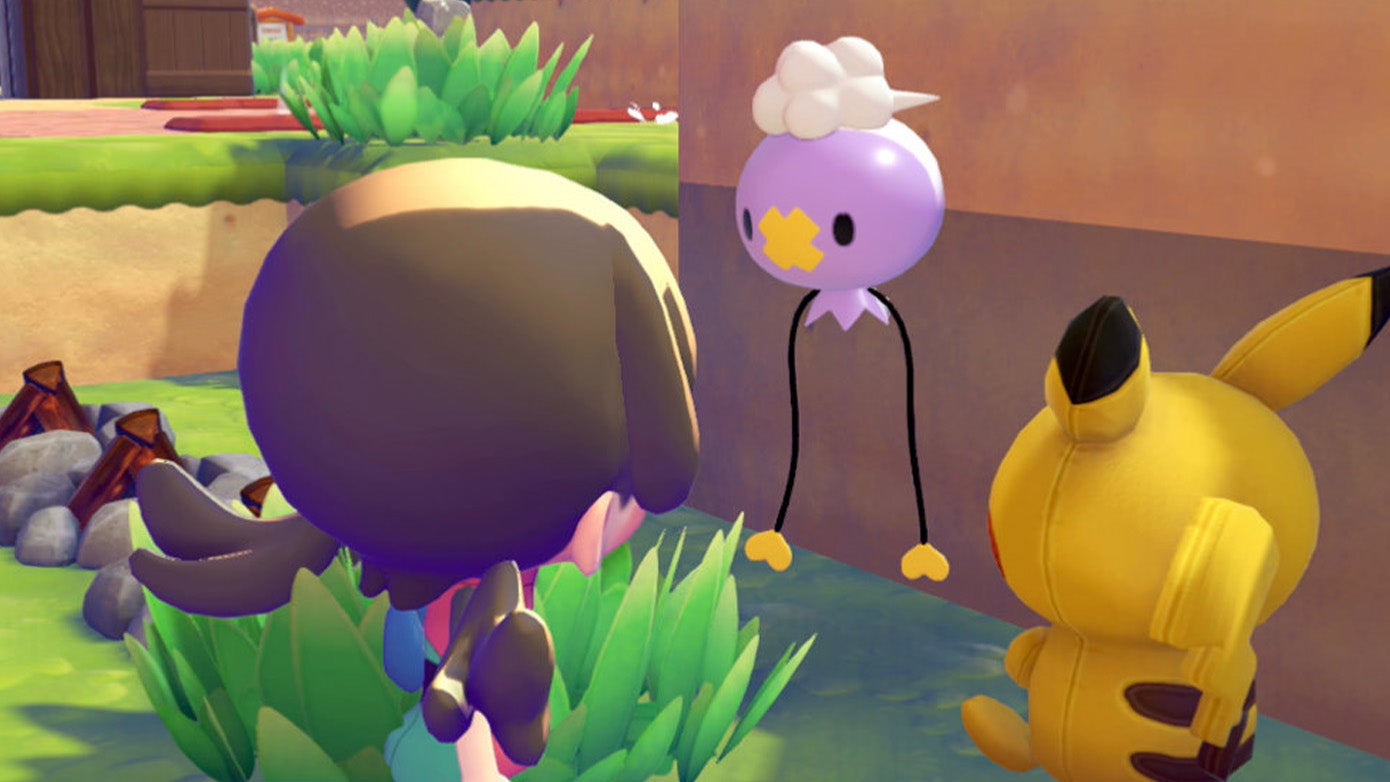
But I haven’t got an issue with that. In fact, I think this Minecraft-like RPG format is genius, and applying a bit of Pokémon-coloured paint to it is a surefire way to get people hooked on its simple but oh-so-consuming idiosyncrasies. And Omega Force has done a bang-up job of it all, too: there’s so much detail and lore in how things are handled that – even as a lifelong Dragon Quest fan – I didn’t have this strong a reaction to the team’s previous effort. Why does it amuse me so much that Minccino and Cinccino (modeled as fashionista chinchillas, obviously) will only appear in your game if you have a ‘Changing area’ or ‘Private makeup stand’? Why is it so funny that Drifblim gets sad because there are no children around for it to ‘carry away’ like something out of The Wasp Factory? I imagine there is something equally grim somewhere in the game that involves Spiritomb and 108 items’ worth of… something. If you know, you know.
Someone within the council of the Pokémon IP – custodians made up of Game Freak, Nintendo, and Creatures, Inc. – made a very wise choice in allowing Koei Tecmo the key to the proverbial city, here. I think this is one of the most exciting and well put-together Pokémon efforts in years. I think it will reactivate old(er) fans like myself like sleeper agents, and indoctrinate a slew of new ones, to boot. I think it will be a highlight of Pokémon’s continued pop culture dominance for years to come. I think it will go down in history as of one of the Switch 2’s best games.
And all this happened because The Pokémon Company allowed another developer access to its storied brand. This isn’t the first time this has happened, of course, but previous experiments haven’t always ended well. The most recent example, in my mind at least, are the Pokémon Brilliant Diamond and Shining Pearl games, developed by ILCA. The studio was recruited after its work on Pokémon Home, and the remakes were… not well-received. Our own Chris wrote that “you’re better off with the originals” in his 2021 review. Given HeartGold and SoulSilver, remakes of the Gen 2 games, might be my favourite in the whole series, to see an external company stumble so badly with such a core part of the series’ identity was rough.
Game Freak itself has been publicly struggling with the mainline games, too. Though Legends Z:A was a step in the right direction, the ‘proper’ mainline games have been struggling to keep up with modern tech for generations now, getting uglier and performing worse for successive entries. Sure, the Switch 2 versions of Scarlet and Violet righted some wrongs, but… I find myself struggling to get jazzed for Wind and Waves knowing the state that Sword/Shield and Scarlet/Violet shipped in.
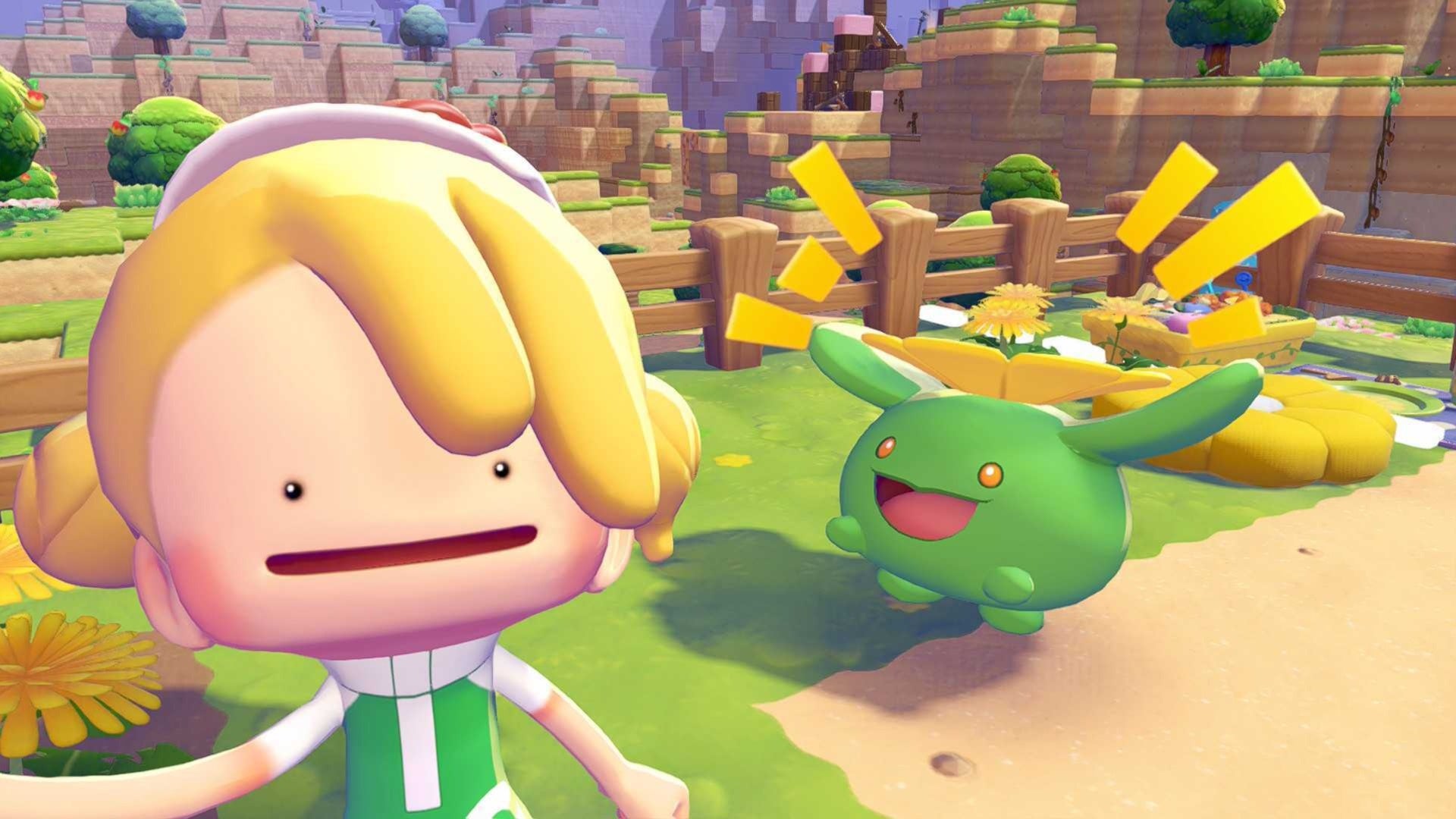
Pokopia, then, isn’t the first time we’ve seen other developers come along to save face with the series. The phenomenal Mystery Dungeon series was developed by Chunsoft or Spike Chunsoft depending on where in the canon you look. The obscure and oddly brilliant Pokémon Conquest (a baffling crossover between Pokémon and the Nobunaga’s Ambition strategy series) was also handled by Koei Tecmo. Pokémon TCG Pocket – perhaps the biggest commercial success for Pokémon in years – is mostly handled by DeNA. Pokémon Go, famously, was the brainchild of Niantic. There was also a Pokémon Tekken game. And it was fine.
I seriously hope the quality control exhibited by Koei Tecmo and Omega Force here emboldens Nintendo, Game Freak and Creatures, Inc. to take more risks like this in the future. We’ve seen many a Zelda Warriors game – will Nintendo fancy giving Omega Force a crack at a horde-battle based Pokémon game next? Or maybe we’ll get something like a Pokémon MMO, realised by the folks over at PocketPair (not bloody likely). Personally, the top of my list would be Pokémon Theatrhythm: a game using the template of the phenomenal rhythm-battler RPG hybrid established in Theatrhythm: Final Fantasy to finally give us a place to listen to all the Pokémon music whilst engaging in fun, dynamic rhythm game action. A Pokéfan can dream, though. A Pokéfan can dream.
I think Pokopia represents something bigger than the smaller games I use as examples above: it’s the first Pokémon game in a while that I’d designate a ‘major release’ from a third-party dev in years. And it’s so damn popular Amazon is jacking the prices up. You can’t find physical copies on shelves. Multiple members of Eurogamer staff are currently sleep-deprived because of how intoxicatingly good it is. I haven’t felt this way about a Pokémon game since I was in my 20s, I think. It’s powerful stuff.