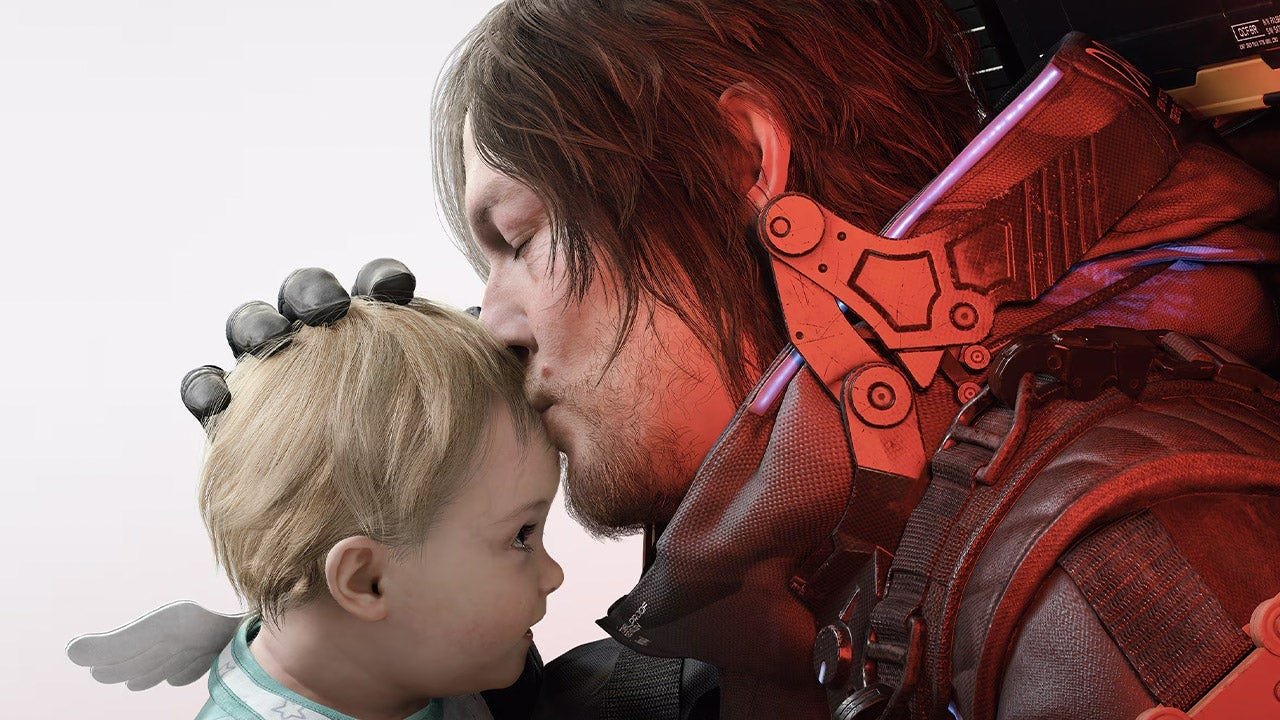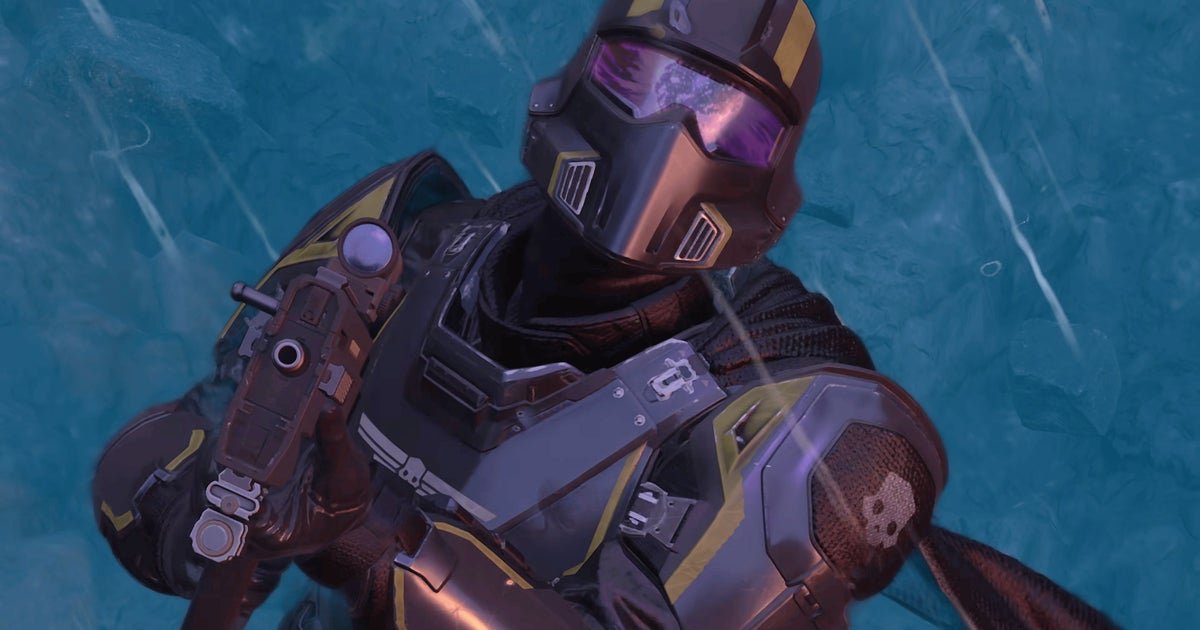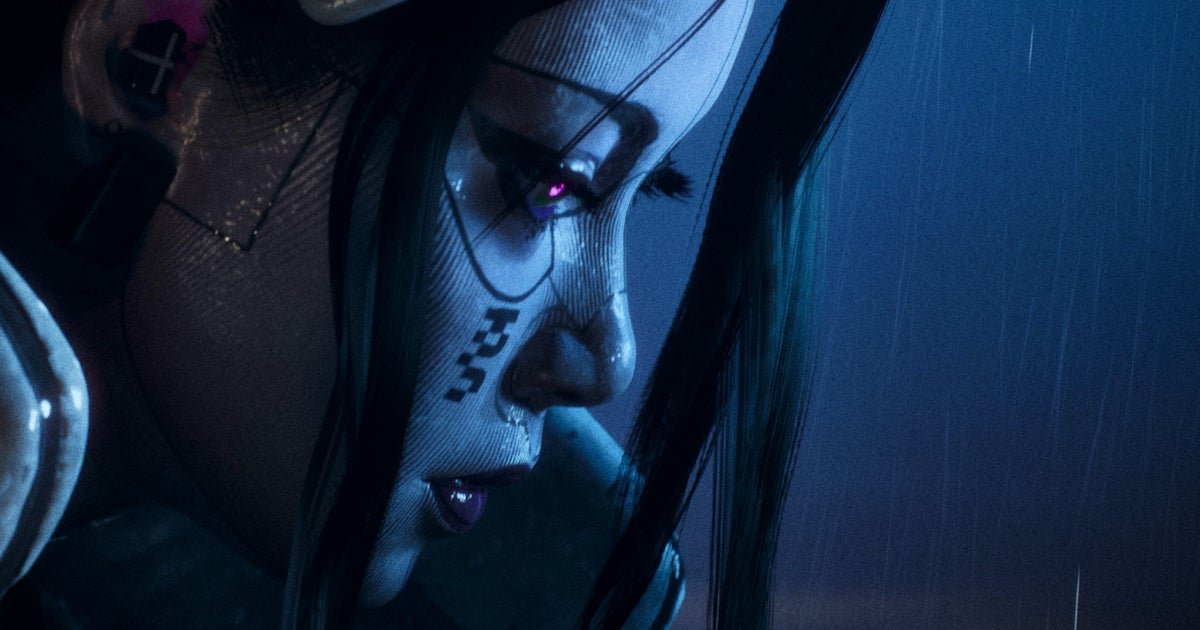
As concerns of a growing “AI bubble” continue to pile up while half the world is on fire, tech and gaming giants are trying their hardest to push AI-enabled “innovations”. Nvidia is the latest company attempting to justify its massive investment in AI with DLSS 5, an “AI-Powered breakthrough in visual fidelity for games.”
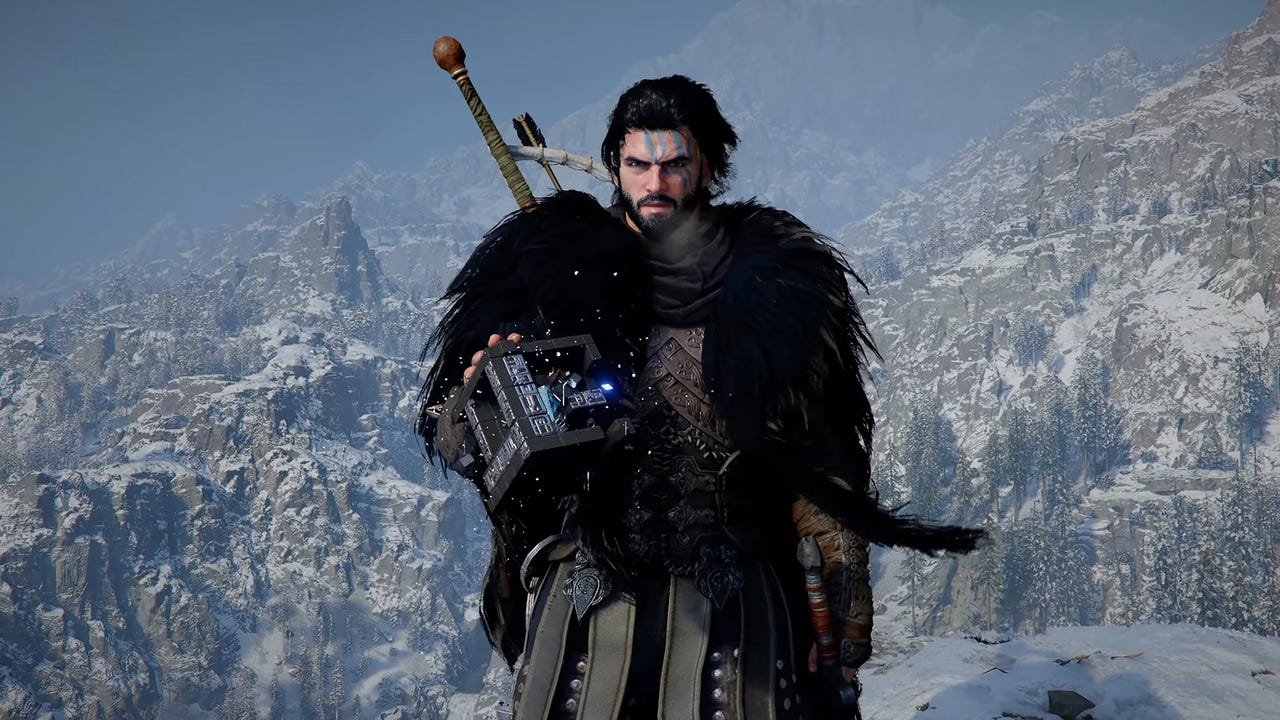
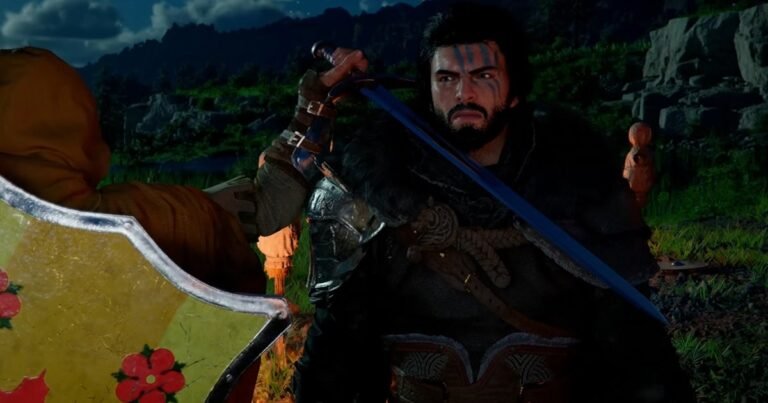
Though most people learned about the new tech via Digital Foundry’s in-depth hands-on preview, Nvidia also shared a look at the early footage (which you can watch below) that highlights how the new AI-powered DLSS version can add an optional filter which appears to “yassify” every living being it touches.
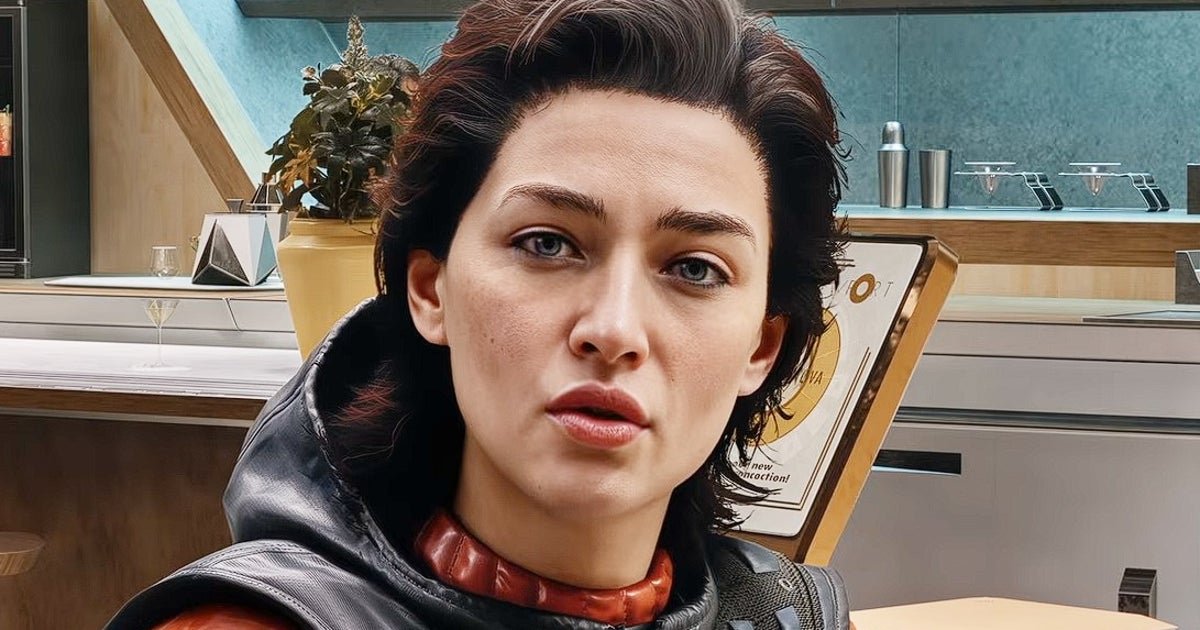
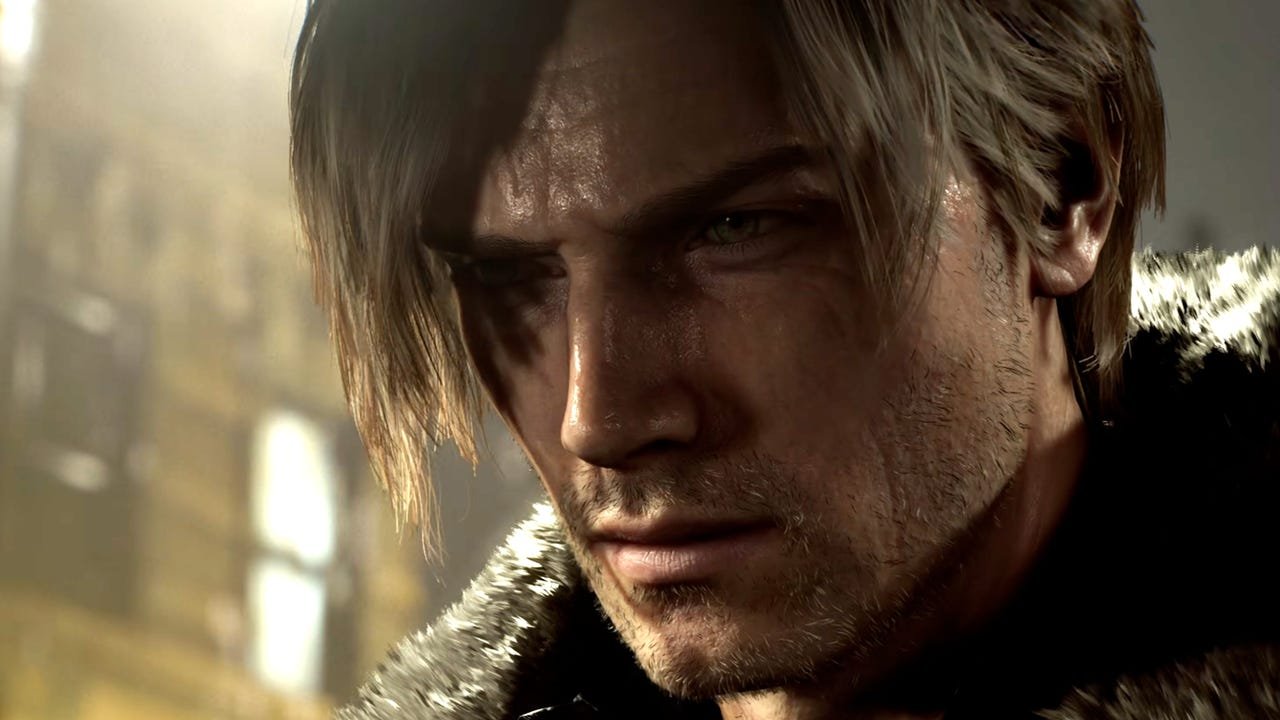
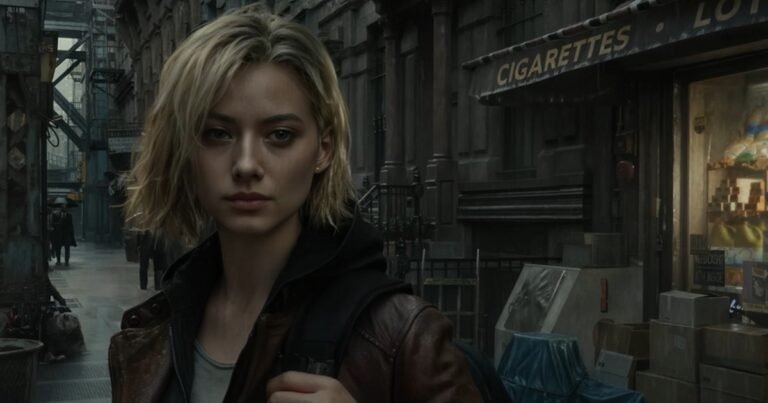
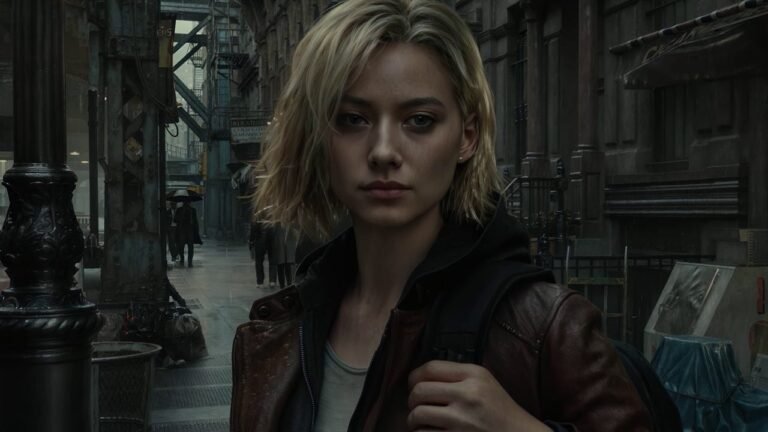
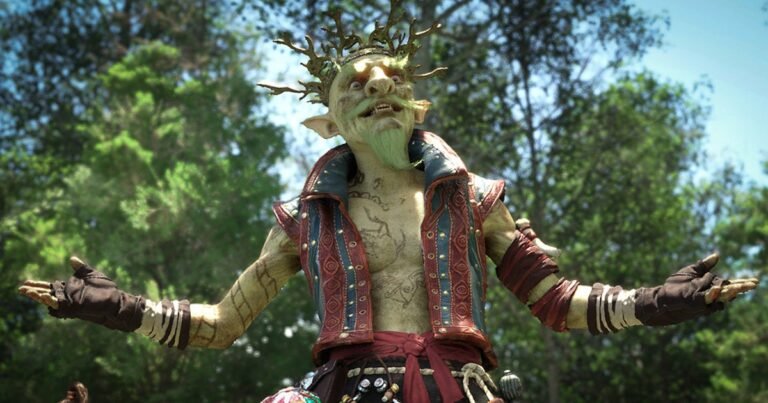
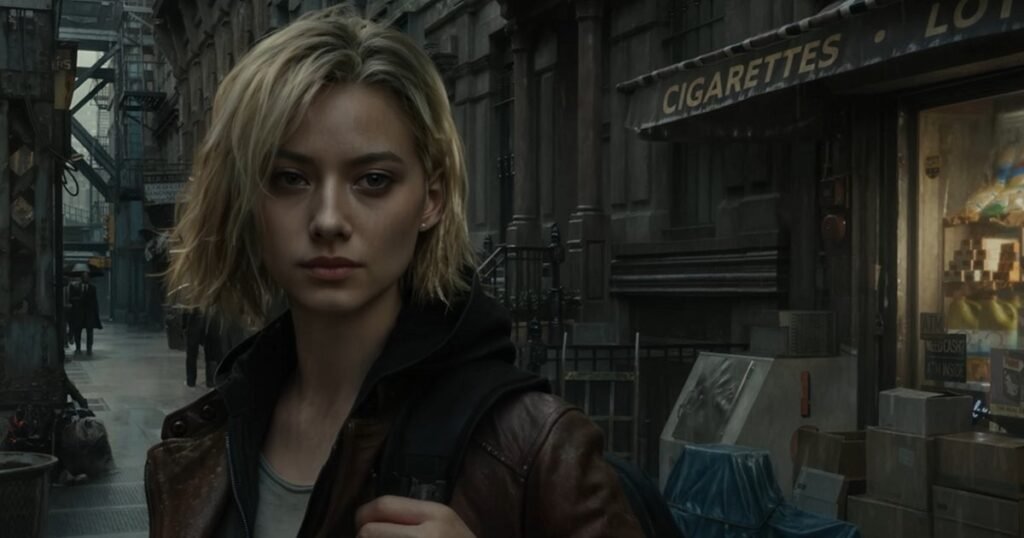
If you were dreaming about the day when Bethesda NPCs could become photorealistic sleep paralysis demons, it seems that day has finally come. Also, Resident Evil Requiem co-lead Grace Ashcroft is victim of perhaps the worst implementation of this tech, as the DLSS 5 filter takes her face and seems to enlarge her lips, give her more make-up, and airbrush away what you can safely assume is the original vision of the developer. Somehow, the new filter even managed to make Leon S. Kennedy look bad too, which is quite the feat.
“Twenty-five years after NVIDIA invented the programmable shader, we are reinventing computer graphics once again,” said Jensen Huang. A big statement, to be sure.
The biggest shock, post-reveal, comes in the form of glowing endorsements from big triple-A figures like Bethesda’s Todd Howard, who (supposedly) “can’t wait” for Starfield players to apply this weird, AI-flavoured sheen to their space adventures. Other notable reactions come from Capcom’s Jun Takeuchi, executive producer and executive corporate officer, who reportedly said it’s okay to overwrite the creative direction of developers to help players “become even more immersed in the world of Resident Evil.” All of these statements feel completely detached from the public reaction to the tech, which has been unanimously critical.
Tthe horrifying reveal instantly sparking a DLSS on/off meme format over on social media, which even some developers are embracing. “Make every game look like a bunch of artless idiots from Nexus Mods have had a go at it,” former Eurogamer video legend Jim Trinca posted after taking a gander.
The footage shared by Digital Foundry isn’t free of visual oddities, of course, as DLSS 5 seems wildly inconsistent in how it applies its “enhancements.” For example, here’s some Oblivion NPC morphing its eyes mid-conversation. “What if shadows didn’t exist,” posted Restart writer Imran Khan while sharing a screenshot of the Assassin’s Creed Shadows bit of the video that shows tree shadows getting almost completely removed in exchange for more unnatural ambient occlusion.
.jpg?width=2048&height=2048&fit=bounds&quality=85&format=jpg&auto=webp)
The frustrating part of all this is that DLSS, in its basic form, has been proven to be a very useful technology to claw back performance while retaining visual fidelity through simple image upscaling. It’s the tech which is allowing the Switch 2 to hit above its weight with ports like Resident Evil Requiem or Star Wars Outlaws. Moreover, recent frame generation extras can conjure up more fluidity out of thin air (as long as performance is already in a halfway-decent spot, at least). But if the next step for the tech is this nightmare-inducing, art style-bypassing mess, it seems DLSS tech has moved away from what initially made it great.
At the time of writing, Nvidia is already running damage control in the comments section of the official reveal, claiming “game developers have full, detailed artistic control over DLSS 5’s effects to ensure they maintain their game’s unique aesthetic.” But, for many, it seems the damage is already done: it’s hard to imagine most gamers coming around on the very basic idea of this AI “upgrade.”