Last month, Pokémon celebrated its 30th anniversary. The franchise, a video game and pop culture juggernaut, has endured for generations thanks to its games that celebrate connection, companionship, and competition. But across the series’ lifetime, one game in particular stands out as an intriguing outlier. And it’s one The Pokémon Company didn’t even make.
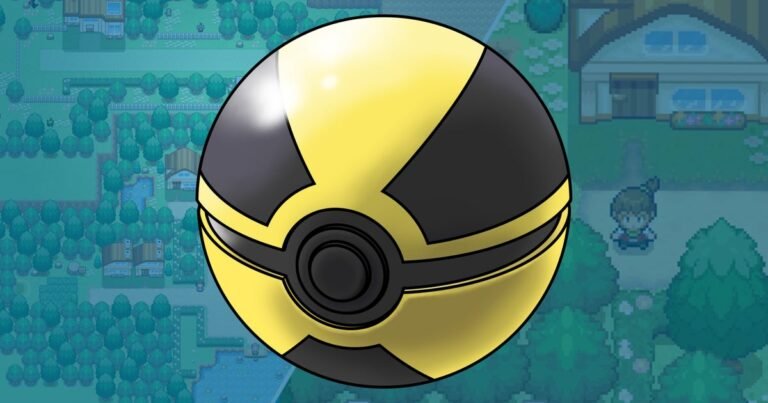
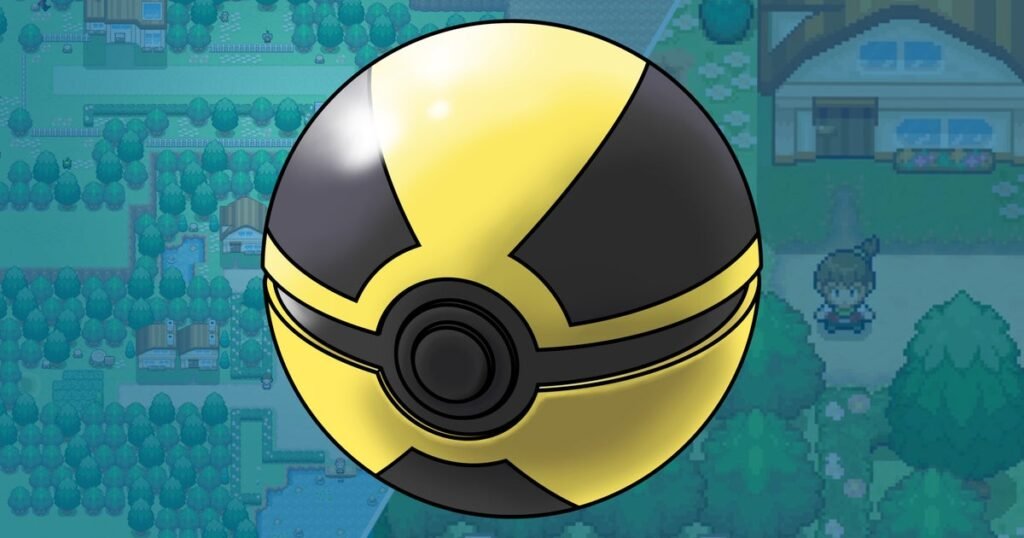
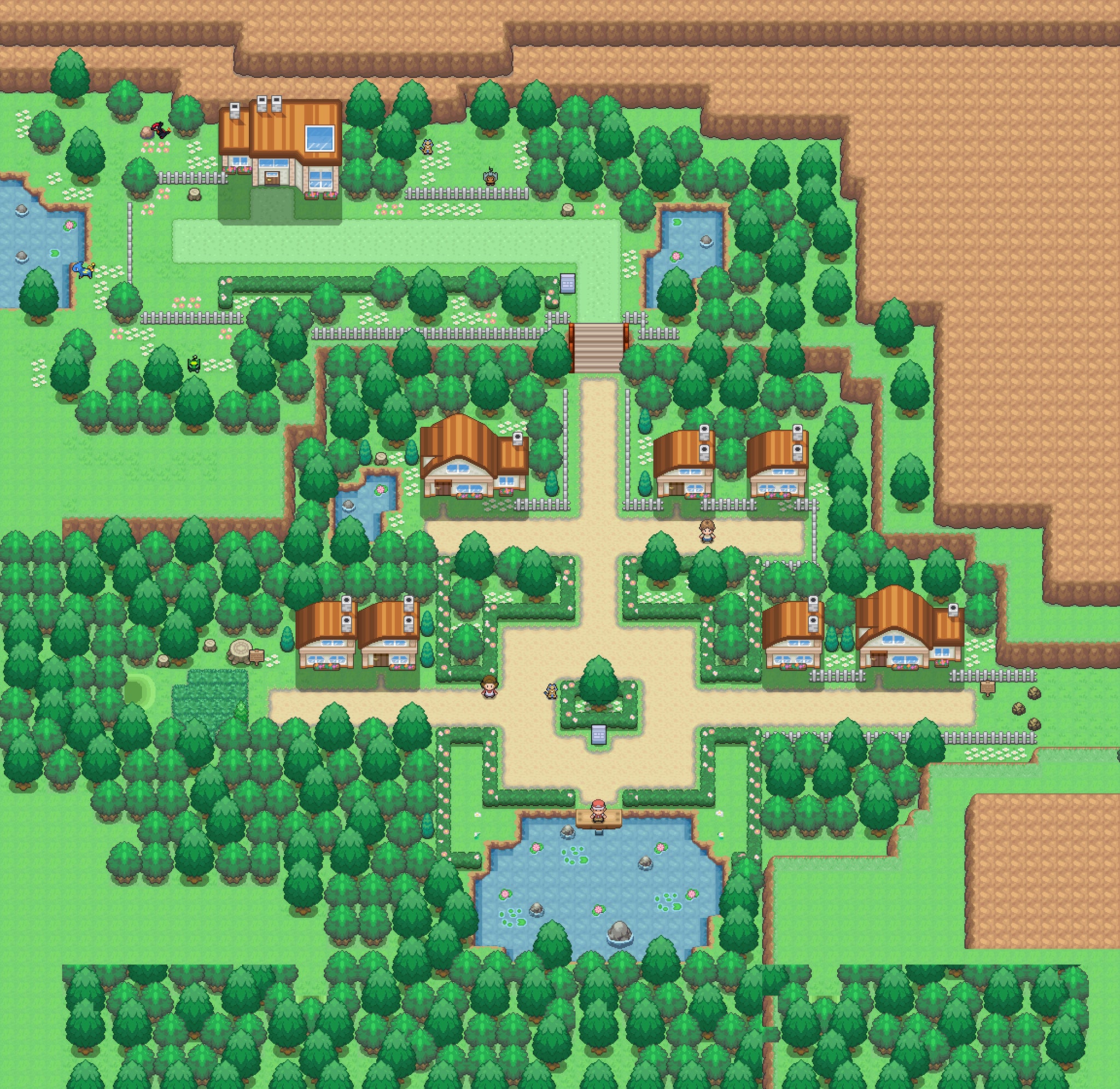
That game is, of course, Pokémon Uranium. Released to the world in 2016, the unofficial fan game was an instant hit for those on the internet with a place in their heart for the series. As the marketing campaign for Sun and Moon divided fans with its controversial 3D models, Uranium boasted original pixel art for new Pokémon, a fresh narrative, and a keen spin on franchise norms. Pokémon Uranium quickly hit it big, being downloaded over 1.5m times in the space of roughly a week.
Naturally, Nintendo was equally quick to take action. Lawyers contacted Uranium’s duo of developers, resulting in development and updates for the game having to cease altogether. It was too late to curb Uranium’s influence though, and new creatives kept the Pokéball rolling even as those initially responsible for making the game were unable to touch it ever again.
“We both started working on Pokémon Uranium when we were very young,” one of the developers, known online as Ori, tells me in an interview. She and another developer, who goes by JV, both created Uranium as a passion project, with Ori taking the art and writing while JV handled maps and events (thanks to previous experience with the storied RPG Maker software). The game, one of many Ori worked on, was the sole project to develop into something playable.
“Over the years we did these progressive beta releases, and the game got bigger and bigger as our skills grew”, Ori said. “Eventually, we were both finishing college and the game was nearly done and we were like, ‘okay, we can actually finish this’. So we set our sights on a deadline, set up a checklist and milestones, and recruited some more team members and beta testers, and we all worked really hard all throughout Spring and Summer of 2016 to release the final version – which folks now know as Uranium 1.0 – on 6th August.
“I think, for us, the main motive was finishing this thing that we’d been dreaming of since we were kids, of making something our younger selves could really be proud of,” she continues. “I think if my childhood self could play Uranium she’d be over the moon. So, mission accomplished.”
When Pokémon Uranium arrived in August, Ori and JV were hit with a rush of praise. It was something the duo had never anticipated. “Nothing could have prepared us for the astronomical heights of viral fame we’d reach in the full release. I’m confident it was due to factors totally out of our control, too.”
Ori points to the global release of Pokémon Go, and the ensuing wave of Pokémania that took over the world for a second time since the original games’ sensational launch in the 90s. “You probably remember that summer and how everyone was running around with their phones out catching Pidgeys in the park,” she says. “It was just kind of the perfect storm of viral fame. And since our game was free, and [available] for PC, that was accessible to a lot of people who had never owned a Nintendo console and hadn’t played an actual Pokémon RPG before. So, strangely, it became some people’s first entry to the franchise, which I think was not what we intended or expected. Sort of a happy accident.”
Uranium proved itself as more than just a bog-standard Pokémon fan game or romhack, too – it had its own charms and quirks. As Ori puts it, the game is “a bit of a strange, edgy and also a little silly take on the Pokémon world”. While some series diehards were put off by the differences, others were drawn to it precisely because of its distinct features. “Clearly it resonated,” Ori mused. “I mean, there’s still an active community of players today, 10 years since its release. I don’t know if I ever anticipated it would have that long-lasting of an impact. Like, I still see people posting fanart on Tumblr, drawing their trainers and their Pokémon teams. It makes me happy every time I see that.”
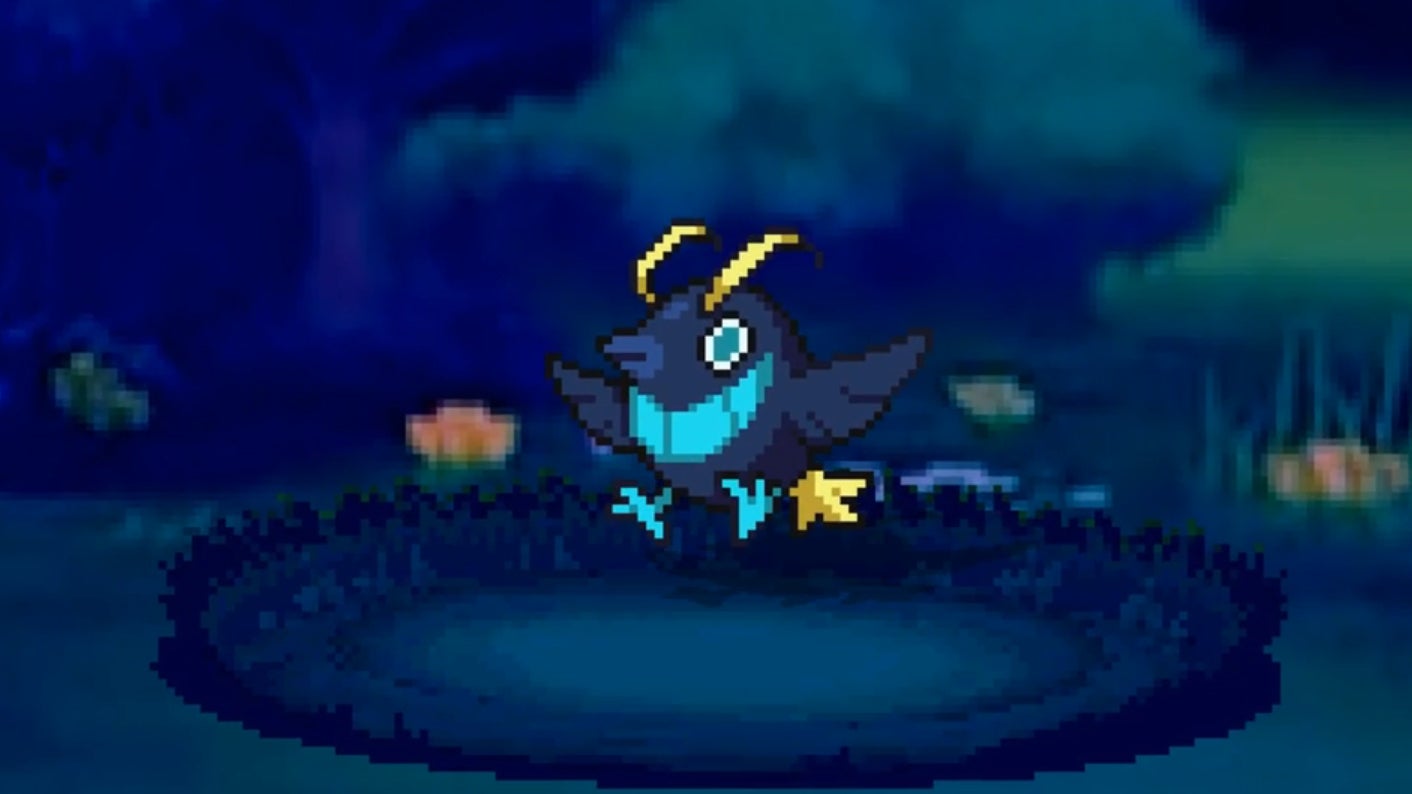
In those 10 years since the game changed hands, Uranium has continued to proliferate. One core member of the modern Pokémon Uranium scene, a community manager of the game’s current online fan community who goes by Cody, was keen to speak on the matter. Being present around the game’s initial launch, he’s helped foster the continuation of Uranium’s legacy online in its new form.
“The cool thing with how that’s evolved over time is that even all this time, 10 years later, people are still hearing about the game, or had heard that it was impossible to play, [only] to come across it much after the fact,” Cody said. “So what this has cultivated into, after all this time, is a handful of tested veterans that have been with us since the beginning, guiding the new users who are discovering it for the first time. We’re not as busy as we used to be, but I think we’re still in a great place!”
Even now, a decade on, the game’s community is active enough to participate in all the usual multiplayer aspects of Pokémon. A “healthy” amount of trading occurs. Dedicated PvP groups still exist and find action in online arenas. One set of fans has even created a DnD group using Uranium’s world as the backdrop. The game, like so many things Pokémon, endures through generations.
As Cody explains: “One of the events we used to host ourselves we called the Wonder Trade Extravaganza, where we’d gather as many of the Pokémon Breeders as we could, and they would throw all their almost perfect Pokémon into the Wonder Trade, which acted as a raffle of sorts. It was an opportunity to gamble something you had caught in the wild for something stronger. When we stopped hosting that ourselves, that event was handled by the community. And, of course, we still release seasonal Mystery gifts for major holidays and our launch anniversary. So I feel like there’s a place for everyone no matter the reason you’re playing. It’s been incredible to watch.”
Above all though, Pokémon Uranium is defined by a single moment in its history: the legal notice from Nintendo. At the height of its popularity, thriving in virality, the game was swiftly struck down by the bane of all fan games that find themselves breaking into the wider public spotlight.
Don McGowan, a former Pokémon Company lawyer, was present at the company while multiple fan games, including Uranium, were taken down. While Nintendo itself handles takedowns, McGowan told Eurogamer he might have told Nintendo about certain fan projects if they annoyed him or his Japanese colleagues, a key annoyance being fan games run by “shitty” people, in particular. He cannot recall if he notified Nintendo about Pokémon Uranium.
“General rule for takedowns: anything that you think might impede sales of legit product is a thing you care about. So knockoff games always get attention,” McGowan explained. “You always do an analysis: are you going to draw attention to them by attacking them?” When asked if Uranium would fall into the parameters of a game that might impede sales, he confirmed with “very much”.
Ori wrote a blog post on the matter a few months following the takedown, which remains readable to this day. Though, even with the passing of time, she was able to recall the impact of the moment itself.
“It was pretty upsetting at the time. I really shouldn’t have been that surprised, considering how brazen we were about self-promoting, seeking out media attention and the like. Fan games operate in a legal grey area, even if they’re not making any money at all, and Nintendo has the right to shut down projects like ours whenever they want if they choose. I’m just glad we were able to finish the game and release it before the takedown, it would have been a lot worse if the game hadn’t been complete.
“In retrospect, on a personal level, it was hard but probably necessary for me to step back from the project. I’d poured so much of myself into the game, it had become all-consuming. The takedown allowed me to make a clean break. It was difficult in the moment, but looking back on it, it was probably for the best that I was able to leave the project and move on. Since then I’ve been able to develop as an artist and creator and explore new ideas and projects that I might not have done if my involvement with Uranium hadn’t ended in the way it did. I can look back on everything we accomplished without regrets and carry onwards into the future.”
So how has this game – one that’s not exactly easy to track down and play yourself, given the murky legal waters it wades in – retained its community? There’s an element of the Streisand Effect, for one, with the takedown arguably drawing eyes to a moment of controversy, allowing the game to breach outside of its own bubble – just as McGowan himself notes. For Cory, he is almost certain this action from Nintendo added to the mystique of the project.
“We live in a world where all of our publicly available collective knowledge is accessible through a device we carry in our pockets every day. As soon as someone says “You can’t have that,” the internet immediately goes. “You wanna bet?”” Cory said. “Uranium had built up a lot of hype, it received a lot of attention even before the hammer came down. That’s an accolade that those two will carry with them forever. But once the word started getting out that it was being put back together after the fact? Yeah, I’d say that gave us a pretty decent shot in the arm.”
But Cody also credits the original creators for its staying power: “I think that just speaks to work that the original authors had done, and that people are hungry for a darker, more mature storyline in their Pokémon games. The region and the narrative are completely original works, they served up 150 completely unique Pokémon with evolutions and Mega Evolving, introduced a new Type… the work was there but I also think it has a lot to do with the passion that people have toward the project.
“In so many amazing ways it’s a personal experience for them. I’ve heard amazing stories about how people used this game for strength in their darkest times, or about people finding their partners within our community, about how parents were using it to relate and form stronger bonds with their kids. So people took this cute little game that we’ve been caretaking and made it into a part of their personal journey. Which again has just been deeply moving to witness and I feel very fortunate that I had that opportunity to do so.”
Ori is a little surprised about the game’s longevity, though in a fun reflection of Cody’s sentiment, she credits the current custodians for its present community. “That’s in large part thanks to all the hard work the team over there has done with managing the community in the years post-release. I’m a long-time participant in fandom in general, and so I know how important good community management and moderation can be for creating an inclusive, friendly, and thriving space for fans of all ages. I’m not active there myself anymore, but I can appreciate the value in having a space like that. After all, if it wasn’t for similar community spaces, I never would have met JV or been able to make something like Uranium at all. So I really appreciate the continued effort of the mod team to maintain that space for everybody.”
McGowan, meanwhile, said he was “a little surprised” Uranium still had such an audience today. “Just because: why do people like the fan projects when they’re just the same as the regular one? Why would you buy a shitty knockoff when a real product is right there?” Might that be because fan games, such as Uranium, bring their own twists and features to the formula? “Maybe”.
As for how useful such takedowns are, in curbing the development of projects like Uranium – and whether during McGowan’s tenure he noticed a reduction of Pokémon fan games as a result of ardent IP defence – he put it like this: “It temporarily holds up a specific project. As for the general point, have you noticed that stopping people?” Touché!
I can’t point you to where on the internet you can download and play Pokémon Uranium, for obvious reasons. But we can, at least, look back on the work that Uri, JV, Cody, and the rest of the still-thriving community around Pokémon Uranium have done to take a fan game so far past its expected half-life. Somewhere, hidden in the deeper parts of the internet, is a little, valuable mineral deposit of joy that trainers still gather around to this day – and which they do either with permission from the likes of Nintendo and The Pokémon Company, or without.