We’ve seen a slew of comapnies clarify their stance on generative AI over the past few months, and now it’s Capcom’s turn to outline its boundaries with the tech.
“We will not implement assets generated by AI into our games,” Capcom stated, adding that it won’t be shying away from “proactively” using other AI tools “as a contributing technology to improve the efficiency and productivity of the game development process.” How all those things are likely to be folded into the development pipeline are not yet clear, but it’s important to note that, in early 2025, Capcom communicated it aimed to toy with generative AI in collaboration with Google for “idea generation.” A summary of the session aimed at investors is available here if you’re curious
To put it simply, Capcom will use generative AI to help streamline time-consuming and repetitive game development tasks, and form the foundation for a lot of work that eats into development time. It’s worth noting that other developers are already trialling techniques similar to this, and it leads to AI-generated assets ‘slipping through’ QA processes and ending up in front of players.
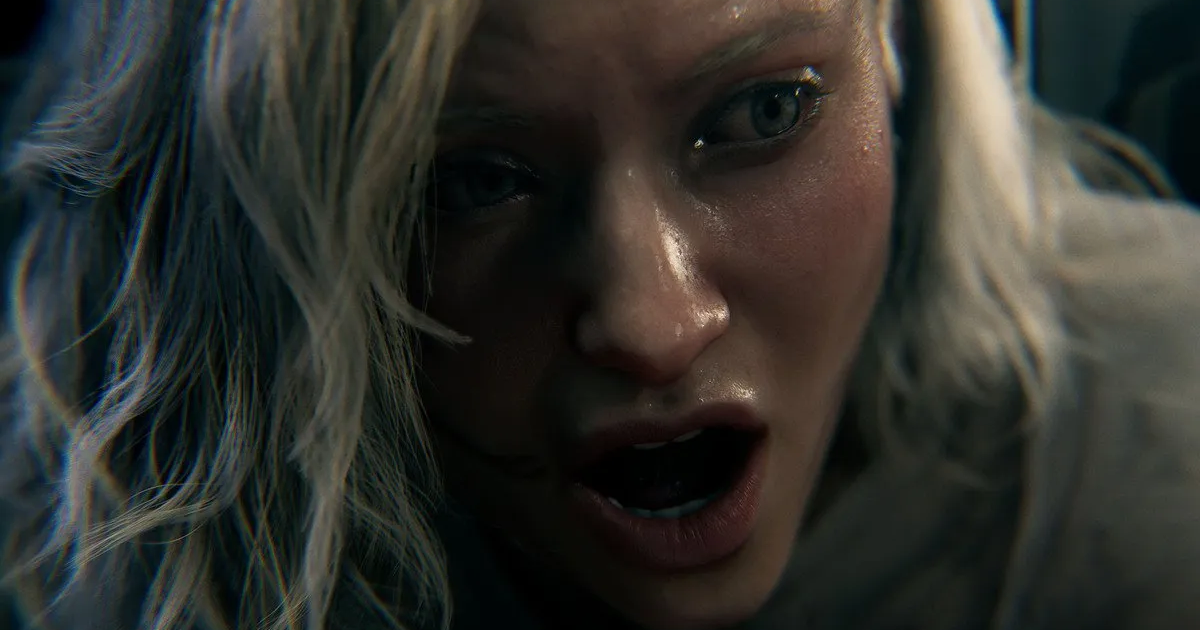
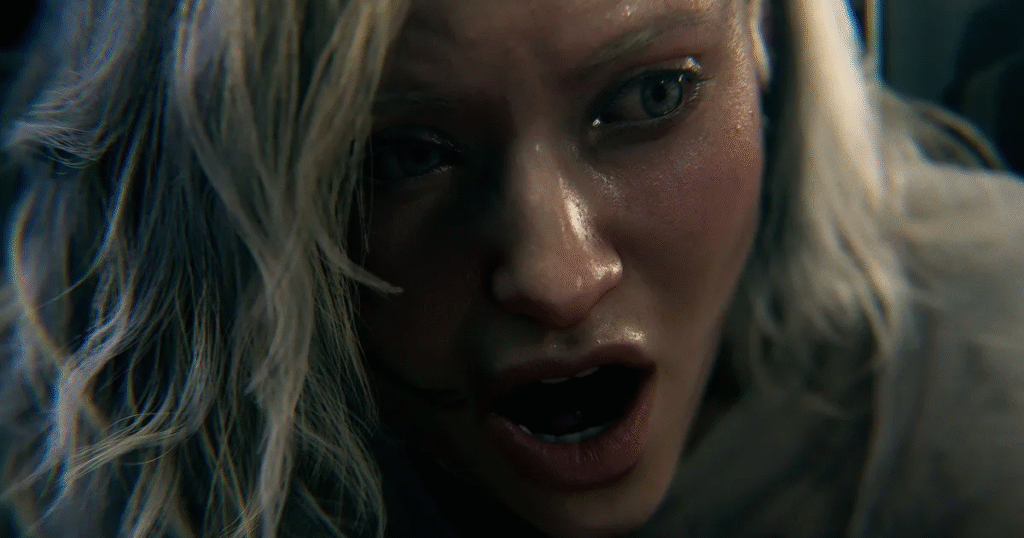
So, while Capcom is avoiding gen-AI for use in in-game assets for now, its stance is slightly confusing, especially after last week’s DLSS 5 saga, which directly affected recent survival horror hit Resident Evil Requiem as the game became an unofficial lightning rod for players complaining about Nvidia’s ‘yassification filter’.
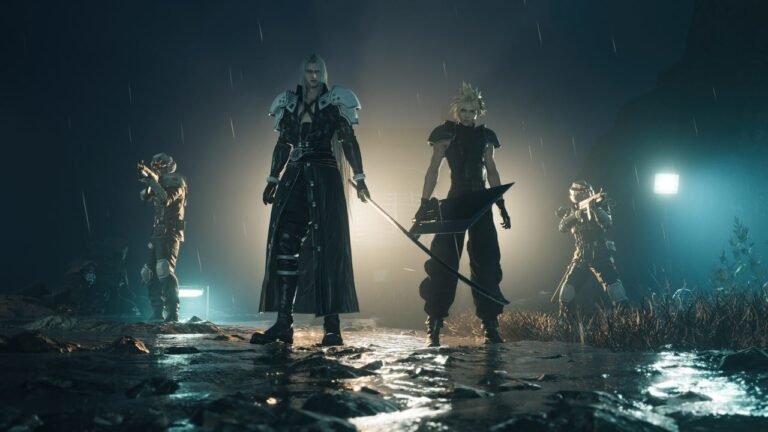
While publishers like Square Enix seem more bullish about their plans for AI implementation in games, Capcom is seemingly trying to take a more moderate approach. But a week after signing off on Nvidia’s AI-powered assault on Resident Evil Requiem’s artistic vision, it sends a conflicting messag.e
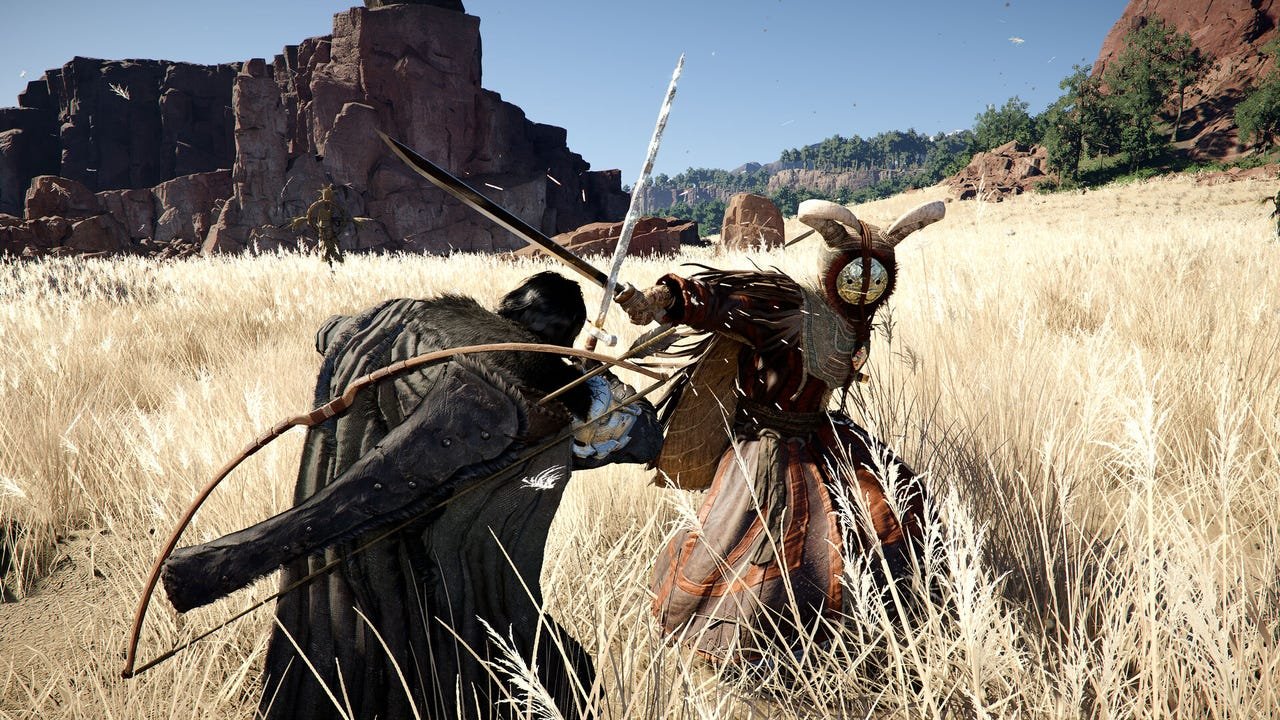
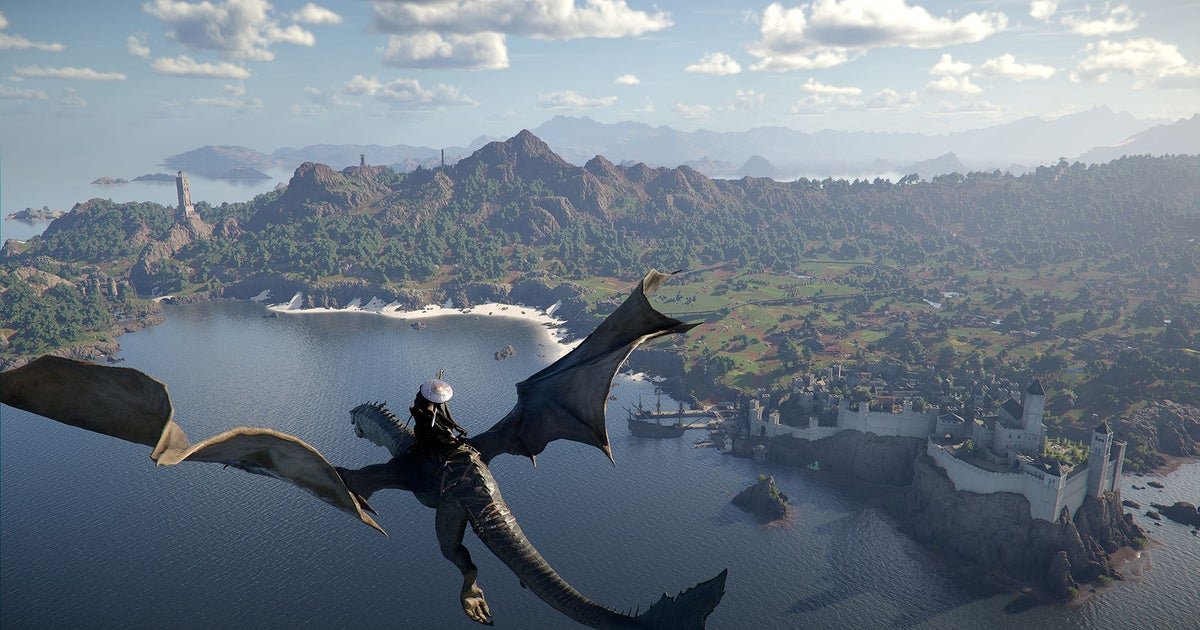
Meanwhile, another one of 2026’s biggest releases so far, Crimson Desert, is facing its own battle after developer Pearl Abyss was called out on the extensive use of gen-AI art assets in the launch build. Don’t expect the AI issue to go away any time soon.