Brian Raffel, who cofounded developer Raven Software in 1990 with his brother Steve and has been its co-studio head ever since, is retiring from the studio after 36 years, during which he worked on major pop culture franchises from Star Wars to Star Trek to Marvel and most recently Call of Duty. Steve retired in 2017.
“In 1990, inspired by a shared love of storytelling, Brian and his brother Steve set out to build something of their own,” Raven said in a statement announcing Brian Raffel’s retirement. “What began as a small creative pursuit known as Black Crypt grew into something far, far greater. Over the years, his leadership guided our studio through a wild and shifting industry, shaping it into what it is today.
“From dark, otherworldly realms to places that reached far across galaxies, Brian has crafted stories that have left a lasting mark on players around the world. His work spans titles like Hexen, Star Wars Jedi Knight: Jedi Academy, X-Men Legends, Wolfenstein, and many more, each contributing to a legacy of iconic experiences. Those first decades of achievements earned Raven a place among the greats and the trust to shape and evolve Call of Duty over the years.”
Raven Software is located in Madison, Wisconsin – a location that was not known as a hotbed of game development in 1990. That changed because of Raven, however, eventually spawning numerous other studios, including a new Respawn Entertainment satellite studio focused on Apex Legends development and the now-shuttered Prey (2006) developer Human Head Studios, along with a thriving up-and-coming development scene anchored by the University of Wisconsin-Madison, from which Brian Raffel graduated and which Raven supports through a mentorship program.

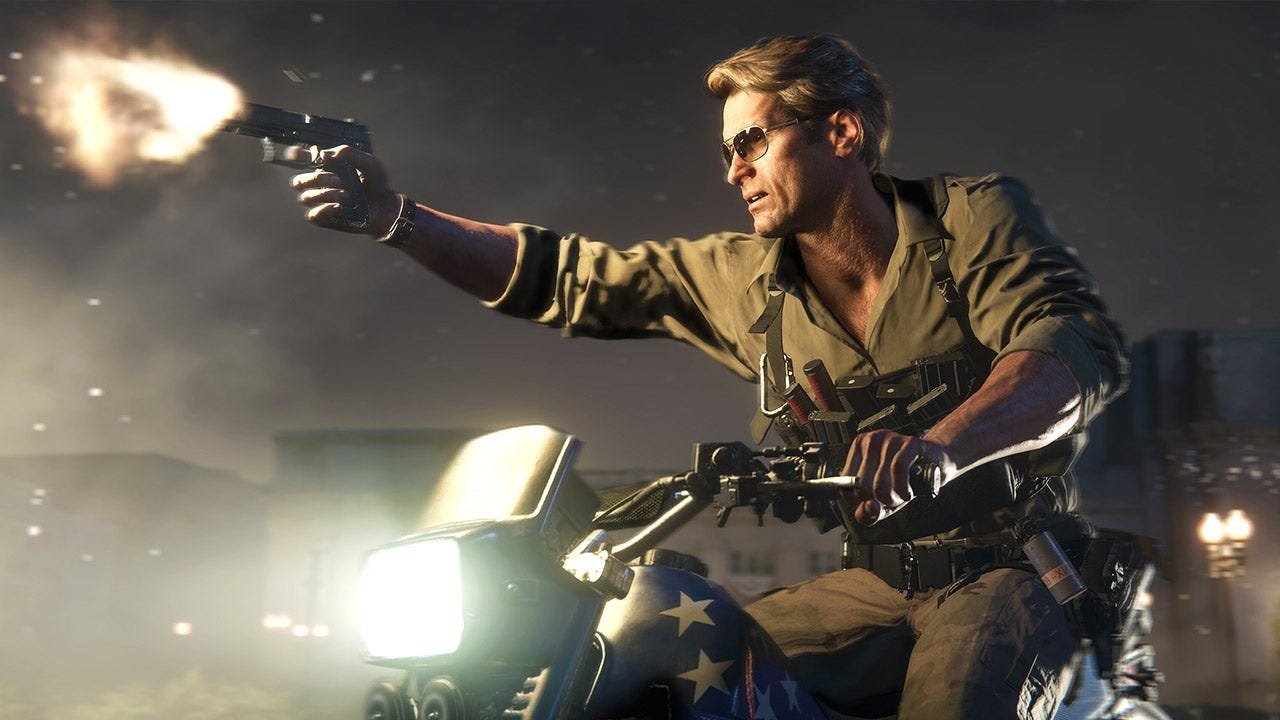
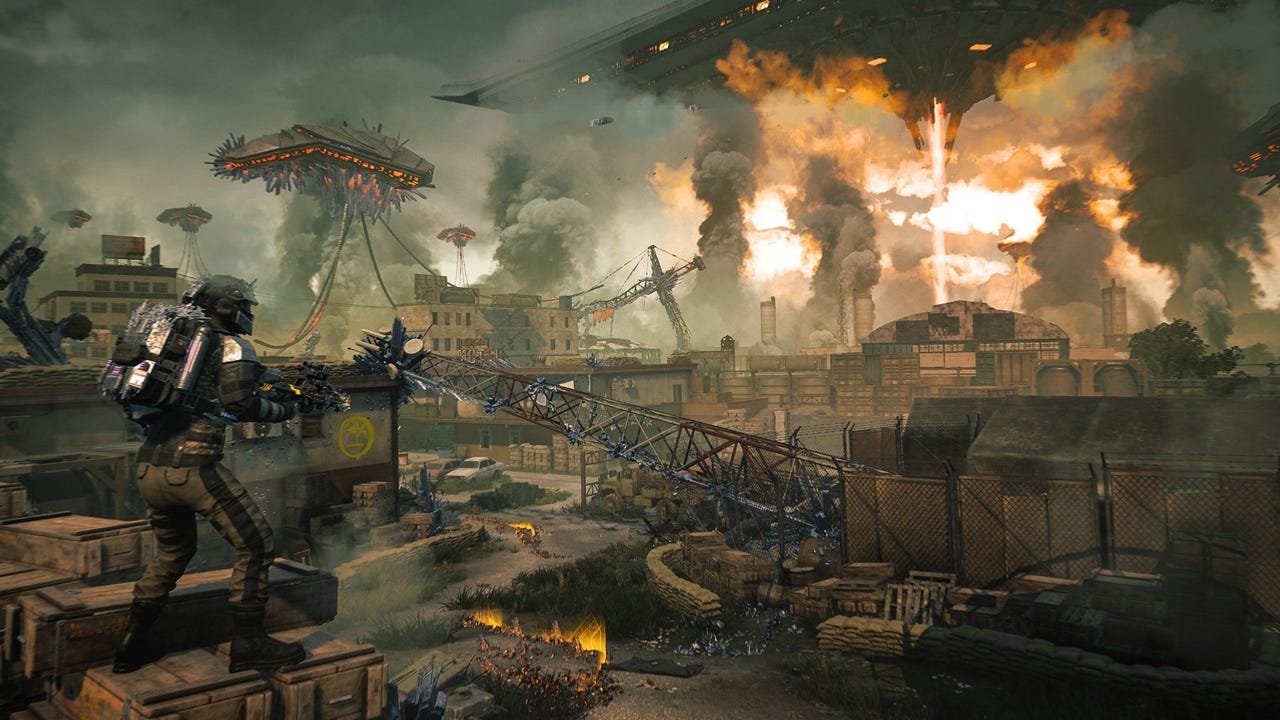
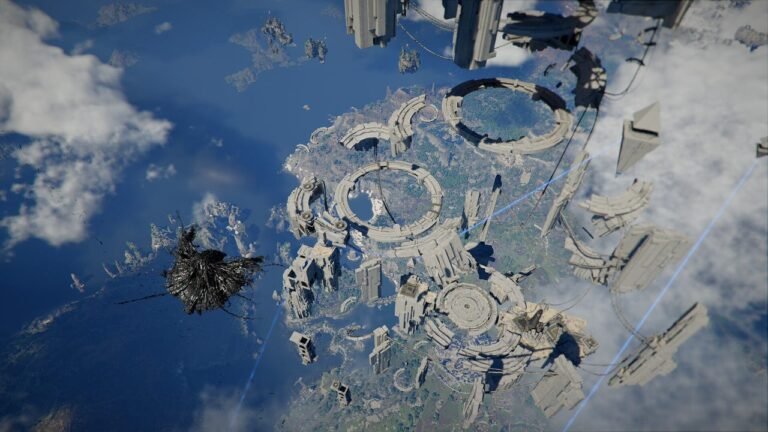
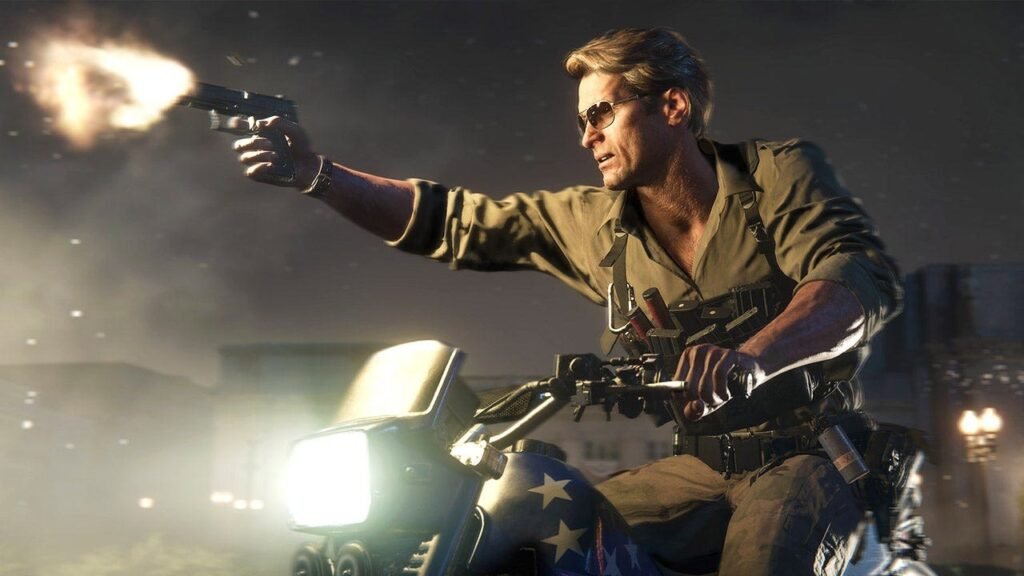
Though Raven has spent the past decade-plus working on Call of Duty – including designing Warzone as well as the campaigns for Black Ops: Cold War, Black Ops 6, and Black Ops 7 – the studio’s history before that is incredibly diverse. Raven launched to stardom by working in close partnership with id Software – which got its start in Madison as well before the team relocated to Texas just before Wolfenstein 3D shipped – on 1994’s Heretic, a medieval-Doom-like first-person shooter built on the Doom engine. They followed that with a more roleplaying-influenced sequel called Hexen before doing a Hexen sequel on the Quake 1 engine and a formally numbered Heretic sequel on the Quake 2 engine.
When contacted by IGN, legendary Doom designer John Romero had this to say about his relationship with Brian Raffel and Raven Software: “Brian is the one who answered the phone in winter 1991 while id Software was newly-moved to Madison, Wisconsin. A classified ad in the local paper looking for programmers caught my eye, and the company name, Raven Software, sounded like a game company, so I called. I asked Brian if they were a game company, they were, and I explained that I’m at a small developer named id Software that makes PC games. Would you mind if we came over to say hi?
“The four of us, Tom Hall, John Carmack, Adrian Carmack and I hopped in our cars and drove over. It was night time, we were still working and thought it’d be a fun break. We met Ben Gokey, Steve Raffel, and Brian Raffel. For a brief moment we said Hi to Paul Radek, a friend of theirs who would a couple years later license us his 32-bit sound libraries for DOOM.
“We hung out and got to see Black Crypt, their latest game. We talked about computers and their passion for Amiga gaming, showing us Super Cars II (I was a huge Super Sprint fan). Their art quality really impressed me and when we got back to the office after dinner I talked about the possibility of licensing our Commander Keen 4 engine to them so they could enter the PC market. We got a deal worked out with us and Apogee to fund them, but the deal fell through. I told Brian I’ll contact him again in the future and see if they change their mind.
“After Wolfenstein 3D was released and we did some experiments with a Wolfenstein 3D++ engine, I asked Brian if they’d be interested in checking out our latest 3D engine with some improvements. This time they were very excited to make PC games so we licensed that engine to them for Shadowcaster. I told Brian I’d get back to him after our next game.
“Just after releasing DOOM, I contacted Brian again and asked if he’d be interested if making a game for us using the DOOM tech. YES, they were interested! I bought a bunch of NeXTSTEP computers, sent them to Raven, and flew up there to get all the computers setup and networked together. I showed Ben how development worked with our cross-development setup, I showed Michael Raymond-Judy and Eric Biessman how DoomEd worked to make levels, and got them started on my game idea, Heretic.
“Development went great, they were super smart and learned our tech quickly, getting Heretic done in one year. I uploaded the shareware version of Heretic on December 23, 1994 from my house. From there we kept working together, making Hexen, and starting on Hecatomb before I left id Software and the close relationship ended.
“Brian did a great job steering the company through those turbulent early days, transitioning from an Amiga-only studio to a PC studio that made great games. Their acquisition by Activision worked out well for Brian and Steve, and I was happy for them. It’s a rare team that can survive from 1990 to today — 36 years! I definitely give credit to Brian for making that happen.”
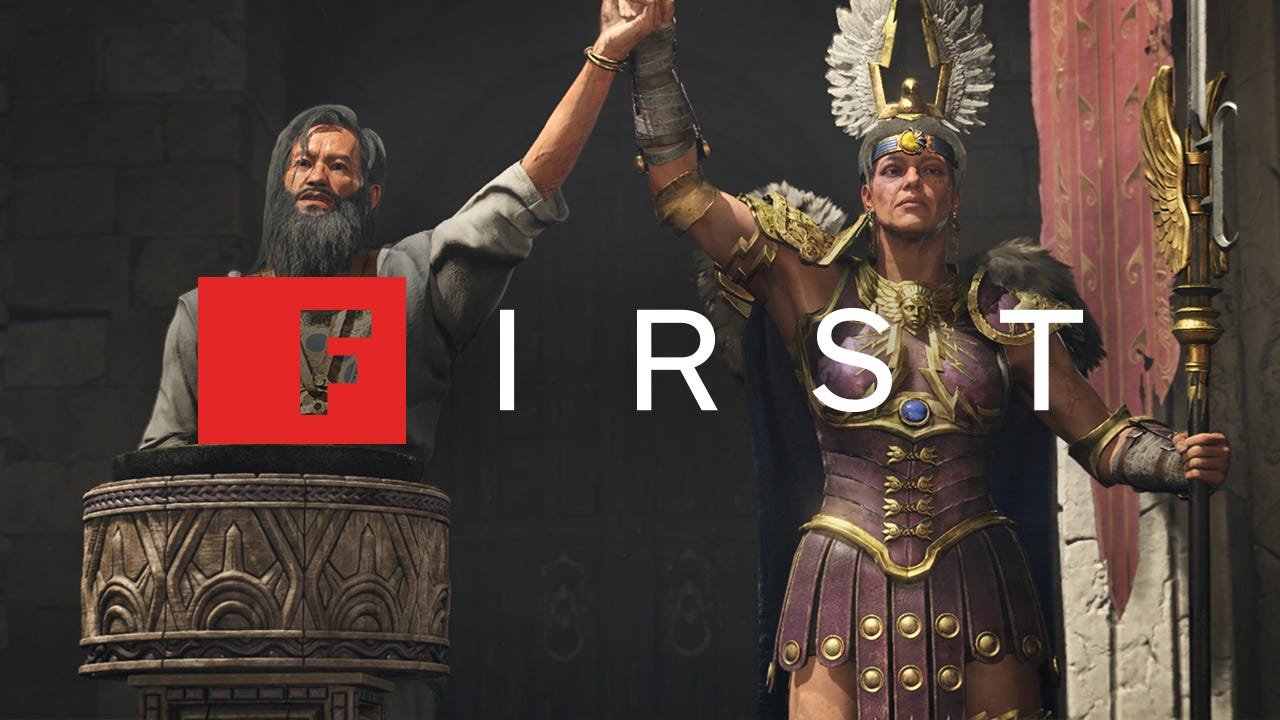
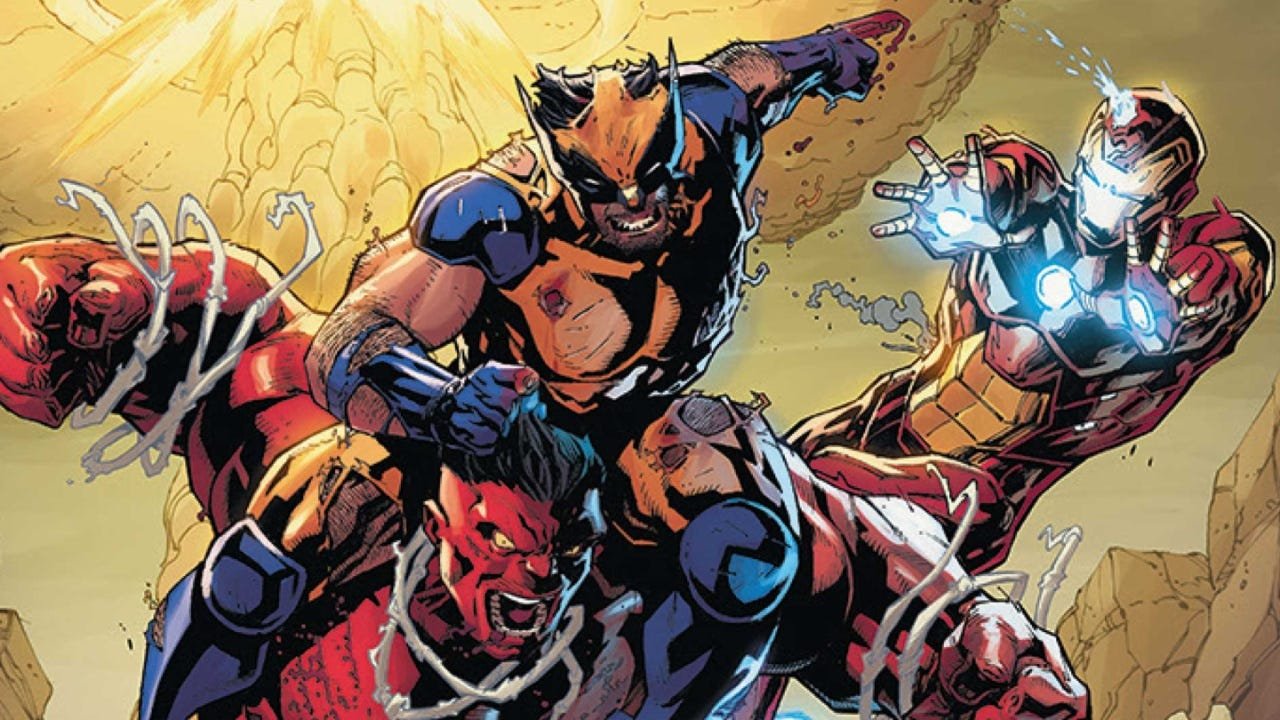
And in a gaming world where for years licensed games equated to bad games, Raven went on to work on a string of excellent, critically renowned titles based on huge IPs like Star Wars (Star Wars: Jedi Knight 2 – Jedi Outcast and Star Wars Jedi Knight: Academy), Star Trek (the 2000 first-person shooter Star Trek Voyager: Elite Force), Marvel (X-Men Legends and its sequel, Marvel Ultimate Alliance, and X-Men Legends: Wolverine).
Raven also came back around to work with id Software again directly, authoring Quake 4 and the 2009 reboot of Wolfenstein. And we can’t forget the then-boundary-pushing, limb-severing violence of 2000’s Soldier of Fortune and its sequel, both first-person shooters based on the magazine of the same name where you could target and destroy individual limbs when shooting at your enemies.
I talked to Brian Raffel about all of these projects and his career – he was a teacher and a track coach prior to getting into game development – on episode 54 of my long-form interview series IGN Unfiltered. You can listen to that interview or watch it.
Today, Raven Software employs over 300 developers. Co-studio head David Pellas, who has been with Raven for nearly 12 years, carries on as its lone studio head.
Ryan McCaffrey is IGN’s executive editor of previews and host of both IGN’s weekly Xbox show, Podcast Unlocked, as well as our semi-retired interview show, IGN Unfiltered. He’s a North Jersey guy, so it’s “Taylor ham,” not “pork roll.” Debate it with him on Twitter at @DMC_Ryan.