
Ever since Microsoft’s near-$70 billion acquisition of Activision Blizzard in 2022, the wheels have been steadily loosening at Xbox, to the point where it feels like they could fall off completely any day now. From the devolution of Bethesda’s studios, including the closure of Tango Gameworks and Arkane Austin, to the cancellation of Perfect Dark and the end of The Initiative before it could even ship one game, it’s been a pretty bleak few years. And now Xbox’s creative force faces what new Xbox CEO Asha Sharma terms a “reset”, seemingly corporate speak for throwing overboard many of the development studios the megacorp has acquired over the years.
The signs haven’t looked promising for much of the generation, but now, more than ever, it feels like the end of Xbox, with many decisions taken by past leadership being walked back. During his time at the helm, Phil Spencer built a production empire with studios that opened up a multitude of avenues for Xbox to explore – the business was equipped to make inroads in practically any genre or trend you can think of. But with multiple studios set to be jettisoned from its portfolio and left to fend for themselves, those avenues could soon be demolished.
Sharma today claims that Microsoft’s gaming division is “not healthy,” as she begins her amputation of 3,200 jobs. And so it all begs the question: Is draining this much talent really the way to cure Xbox?
If Xbox wants to focus on big single-player AAA games that have the potential to be both critical and commercial successes, Marvel’s Blade seems like a relatively sure bet. In development at Arkane — one of the smartest and most inventive video game studios in the world — the prospect of this one is incredibly tantalising. The blueprint is there to follow, too. Just look at what IO Interactive recently achieved with 007 First Light; taking the creative stealth systems the studio has honed over decades developing Hitman and translating that into a massively popular established IP in the shape of James Bond. Just imagine what a developer that has crafted the likes of Dishonored, Prey, and Deathloop could bring to the world of Blade, as it, too, blends its own smart stealth systems with the 21st century’s biggest pop culture universe. With its rivals at PlayStation seeing massive success with Insomniac’s Spider-Man games (and presumably again with the upcoming Wolverine), this seems like a surefire way to success for Xbox.
If the pathway to a healthy Xbox is to make critically acclaimed games that hold the potential to sell millions of copies, then why let Marvel’s Blade and Arkane go?
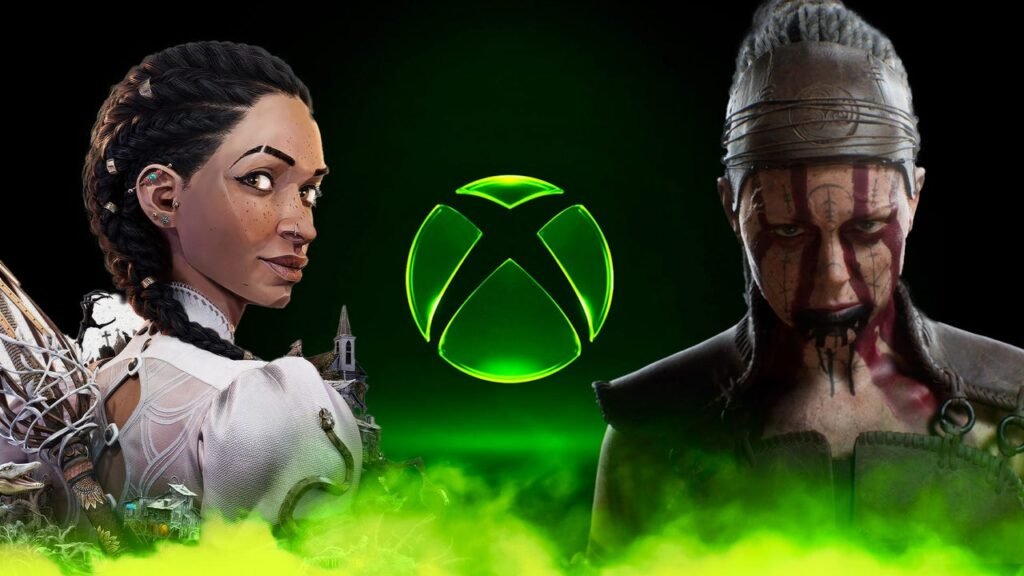
As popular as Marvel is, though, we know you can’t support an entire video game platform on its shoulders. And so if the plan to return Xbox to good health is to help award-winning studios thrive and fund them in creating industry-leading tech, then another entry into the Hellblade series sounds like a smart move. Both Senua’s Sacrifice and Senua’s Saga have won prizes at The Game Awards, BAFTA, and D.I.C.E for their artistry, technology, and the performances behind their stories and characters, as well as educating those who played them in the world of psychosis and mental illness.
If Xbox wants to make impactful games made with world-leading technology that cement Xbox’s position with awards-recognised releases, then why let Senua and Ninja Theory go?
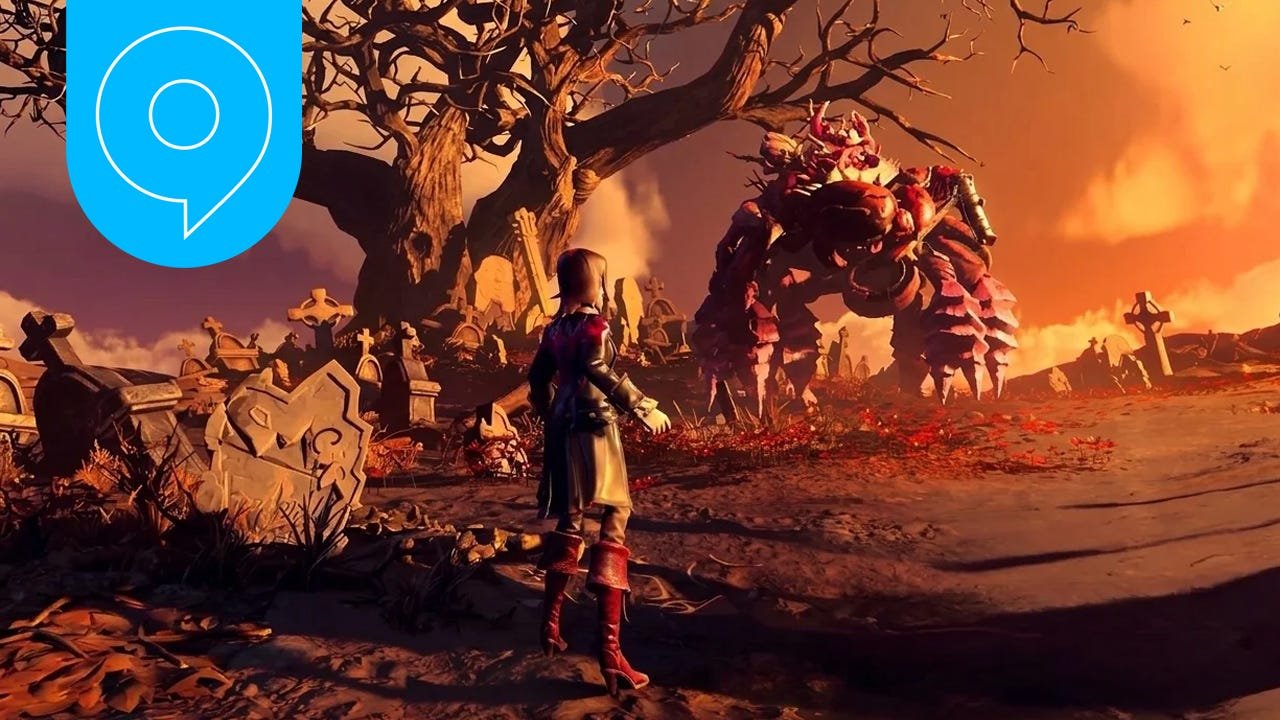
Perhaps the plan is to nurture online communities and build on the foundations of already established series. Something Xbox, to its credit, did well when turning around Sea of Thieves following its rocky launch (but what the future looks like for its developer Rare, after the cancellation of the long-gestating Everwild, is another question). State of Decay was one of the great Xbox Live Arcade success stories when it launched back in 2013 and became the second-fastest-selling XBLA of all time. But it’s now been almost nine years since its sequel saw the light of day, with State of Decay 3 currently set to finally arrive in 2027. Though never critically loved, State of Decay developed a dedicated fanbase that hoped for it to appear at every Xbox showcase across the past decade. To move away from the threequel now, when it actually seems like its development is close to completion, feels like another disaster. Seeing it through would show Xbox fans that this is a platform that remembers what made it the juggernaut it was during the 360 era.
If Xbox wants to please the long-term Xbox player base and commit to a series it once helped create, then why let State of Decay 3 and Undead Labs go?
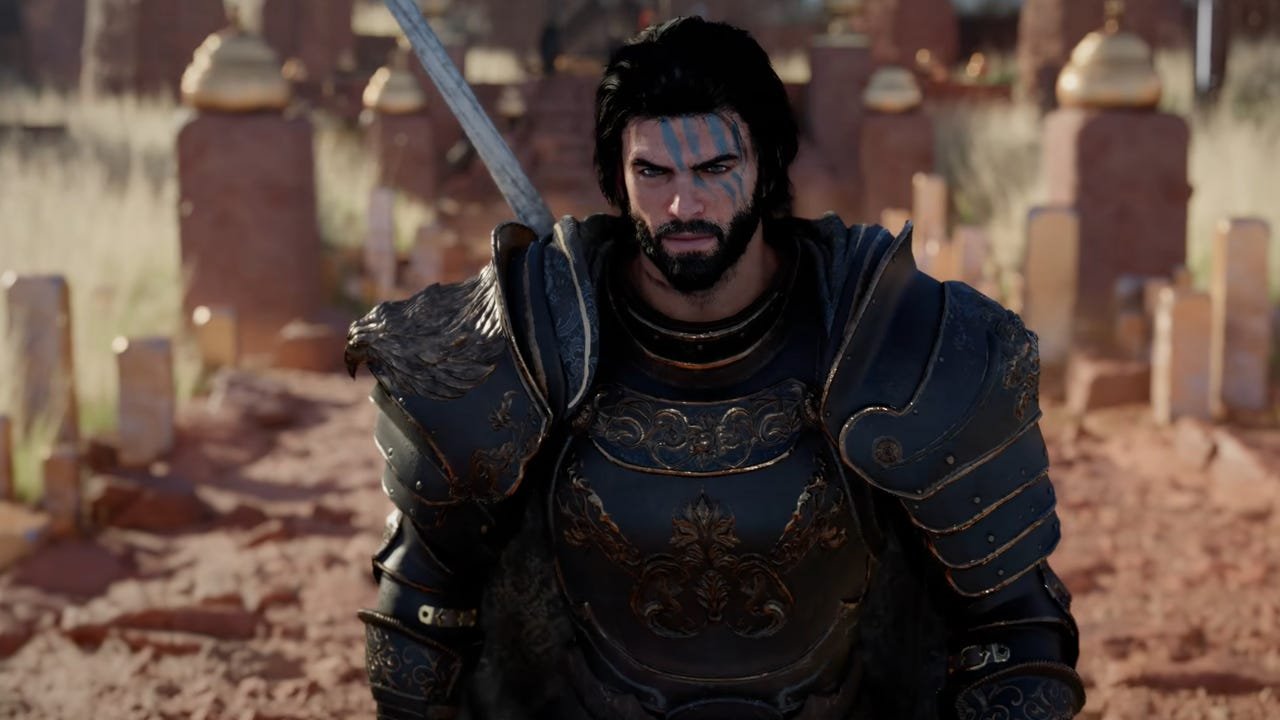
Xbox could attempt to continue making the sort of third-person action-adventures that its rival has long found success in. But it now takes PlayStation seven years to make them, a window that could easily be exploited by a smart, nimble studio that thinks outside the box. Funnily enough, Xbox had one of those – a studio that’s bounced from puzzle platformer to first-person survival to action-adventure, each set in a world that’s a far cry from triple-A norms. Xbox’s lead characters are largely huge men in combat attire fighting gross creatures, and so a hero who explored the mythology of America’s Deep South didn’t just provide diversity of representation, but diversity of story, setting, and theme. There are many cultures that have so much to offer video games – new heroes with different quests, new villains with different motivations, new monsters that pull on unique fears – and we see them all too rarely. South of Midnight is an excellent example of what can happen when they are shared with all of us.
If Xbox considers fresh approaches to art, lore, and culture to be important to its health, then why choose to stop the artists at Compulsion Games from expressing themselves further by letting them go?
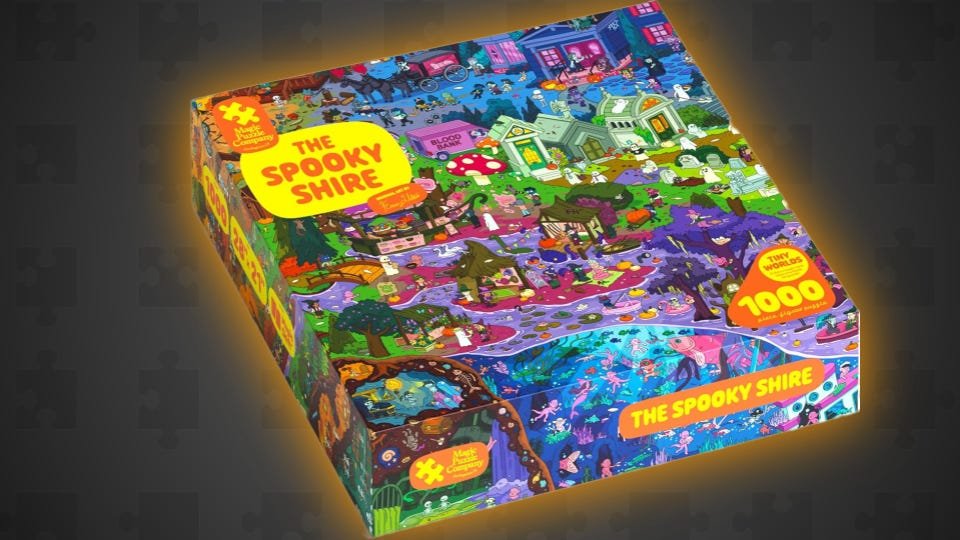
What about the smaller, singular experiences that are exactly the sort of thing Game Pass was built for? Ideally, it’s a place where games you maybe didn’t even know existed can be found, turning an unexpected discovery into hours and hours of play. Games like Keeper, one of 2025’s greatest games, and a short, exceptionally creative adventure that sticks out like a lighthouse on the shore of a sea of familiarity. Games like Psychonauts 2, that connect with us on a deeper level, whilst still making us laugh.
If these doses of pure joy outside of the triple-A bubble are valued, then why even consider letting a studio like Double Fine go?
Or is the idea to try and dominate the hardware space, as the Xbox 360 did back in the late 2000s? The console, the ecosystem it harboured, and, crucially, the cost was an important factor at the time, especially when compared to the disastrous PS3 launch. But it was the 360’s library of first-party games, and it being the best place to play multiplatform releases, that more than arguably guaranteed its success. When the PS5 is currently winning the fight against the Series X, and is the place where most will be playing the mammoth GTA 6 in the very near future, that battle seems lost already.
And if Xbox wants to return to those halcyon hardware days and turn Project Helix into the best console on the market when it launches, then why halt the development of games that could convince people to invest in it? If hardware is the foundation of the plan, then why does Xbox’s parent company continue to invest in AI via Copilot, and as a result contribute to the current components crisis that is impacting the cost of memory worldwide, and thus directly contribute to ensuring Project Helix arrives with a staggering price tag? It’s an incredible self-own by Microsoft, but one that’s impact trickles all the way down to us. Gaming was once an affordable hobby, with the Series S recently being a standard-bearer for such a concept. All seems like a distant world away today.
If the plan was to get people on side with short-term wins like changing the colour of a logo and shouting the word “XBOX” as loud as possible in an effort to be heard by a small section of what remains of a passionate player base, then it hasn’t worked. That well has now truly dried up, and what’s left at the bottom is a place to chuck all the mismanaged talent that made the beloved games this brand was once built on. The time for the benefit of the doubt has long gone, I’m afraid, with confidence in what’s next for Microsoft’s gaming at an all-time low.
So, what now, Xbox? Is the cure to go all-in on a handful of decades-old “mega franchises” like Halo, The Elder Scrolls, and Call of Duty? It’s a big bet. Let’s see if it pays off.
Simon Cardy is a Senior Editor at IGN who can mainly be found skulking around open world games, indulging in Korean cinema, or despairing at the state of Tottenham Hotspur and the New York Jets. Follow him on Bluesky at @cardy.bsky.social.