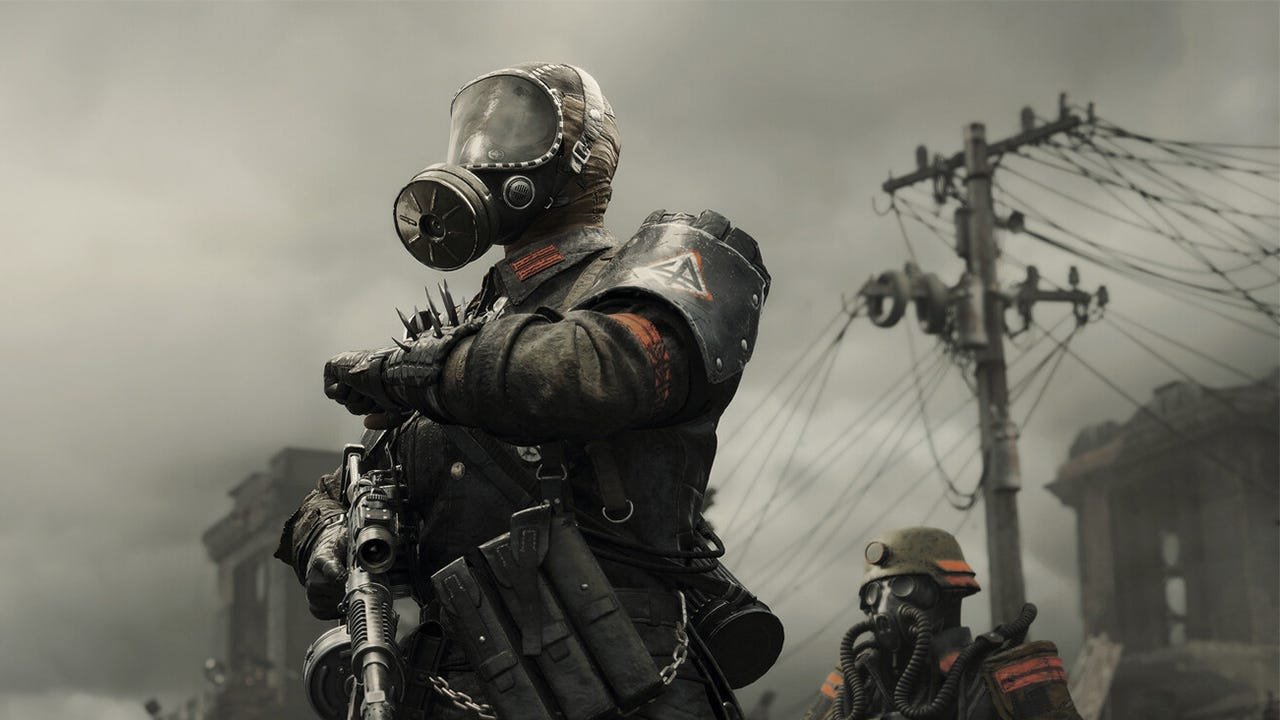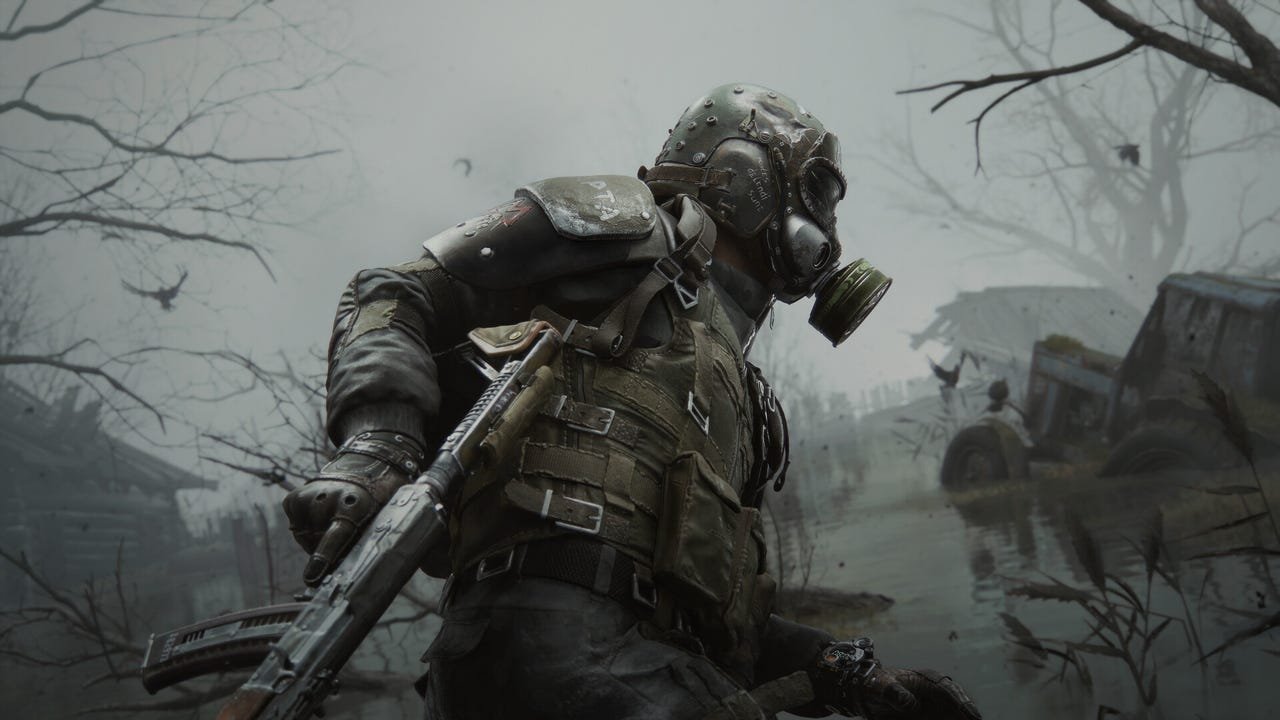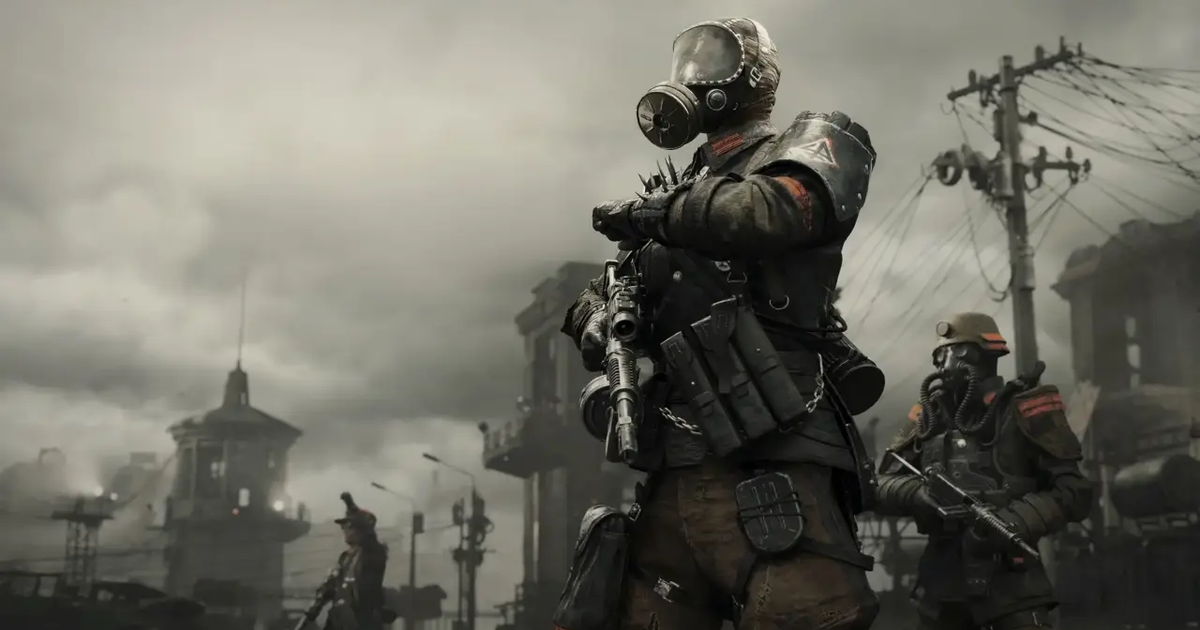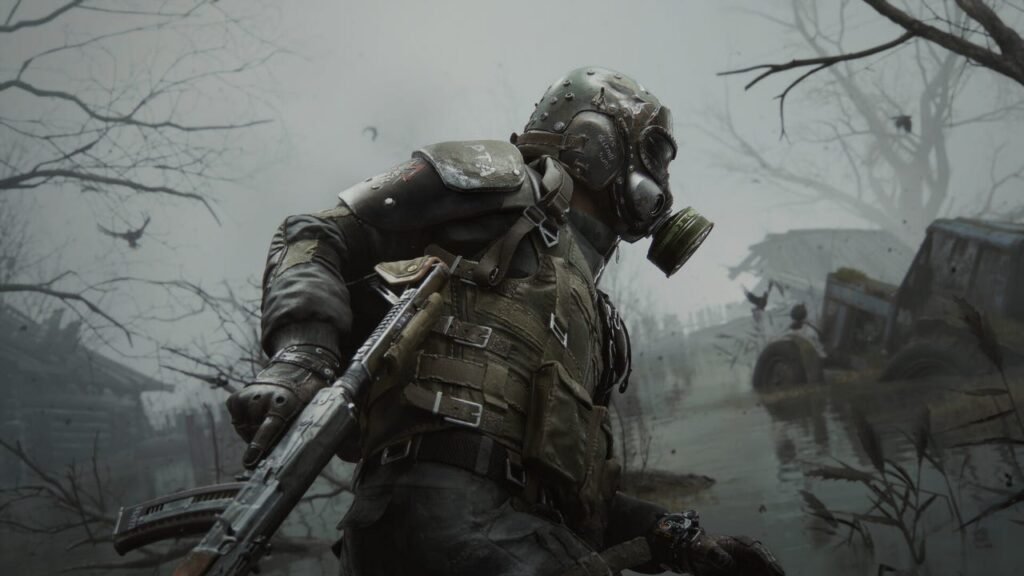

After finishing the four-or-so-hour preview build of Metro 2039, the upcoming first-person shooter sequel from Ukrainian developer 4A Games and falling completely in love with it, I reached out to the team to ask some questions about how they’ve approached the latest entry in their post-apocalyptic franchise – both in terms of the game itself, but also in terms of how their real lives have changed since Russia’s invasion of their country in 2022.
“First of all, it’s impacted the team,” said creative director Andriy “MLS” Shevchenko. “The world changes the team completely, their way of being, their way of thinking, and their way of understanding what’s going on in general. So automatically it brings new visions and new philosophy into the game through the team. And everything else is just details. Story changed? Yes. Some gameplay elements changed? Yes. But first of all, it’s the team.”
“And I would say that effect on the team did actually directly affect the story in the way that previous Metro games were about the prevention of war,” said executive producer Jon Bloch. “And when Russia started its full-scale invasion of Ukraine, it brought war to our doorsteps and we had to change our approach about what kind of story we wanted to tell. We wanted to tell now the consequences of war, what happens when war comes to you. And so it was a pretty major change to what we were doing. We had to try to see from a production standpoint what we could save and what needed to change. We tried to save as much as we could, but quite a lot of our plans changed overnight.”
“Yeah, that’s true,” added co-creative director and audio lead Pavel Ulmer. “And the very Metro franchise, its very nature just became too close to reality. So the perception changed dramatically. Basically, it’s all divided from before and after.”
Pivoting to the game itself, I asked what lessons they’ve taken from previous Metro games and applied to 2039. “Avoid empty spaces,” Shevchenko said. “The density of everything, it’s our goal and the thing to be proud of now.” Bloch added: “To that last question, to that last answer, density is a big one. Density of objects, density of sound, density of animation, density of characters, density of everything, density of detail. We rebuilt our render from the ground up to be fully ray traced and really push forward on the realistic picture that we can provide and the amount of assets that we can put into the world, the amount of dynamic things that we can put into the world, and all of that while still retaining performance and running on all platforms. The engine from day one has always been multi-platform. So performance is a huge, huge factor for us. But a lot of the things that we did were with the goal of increasing the amount of stuff that we can do, giving our designers and our artists more freedom, taking away a lot of the barriers that they have to be able to do what they want while still retaining performance.”
“So basically our goal is not to make the area cool only where the cut scene is supposed to be, you know, but to make all the areas look cool and nice and natural, believable,” Ulmer noted.
Finally, I asked the Metro team what tips they’d give to new players for whom Metro 2039 will be their first game in the series. “Do not be afraid to explore,” Shevchenko suggested. “Explore and you will find a lot of interesting things.” Ulmer added, “Do not rush,” before Bloch chimed in: “Metro is a slow burn. It’s not fast-paced. We have fast-paced action sequences, but overall, it’s something you sit and absorb. You spend the time to learn about the story, the atmosphere, everything. And it’s something for people who want to observe and to think, to question things. It’s something we hope is more meaningful.”
“For our younger audience, I might say, use sprint only when you really have to,” Ulmer suggested. “Don’t sprint through the game all over the place. There’s a lot of things to enjoy, as Jon mentioned, a lot of things to hear, to think about, just to absorb the atmosphere. So sprint only when you actually have to sprint, running from a lot of threats that will try to chase you. In that case, go for it. But it’s like a good movie. Playing this story just in order to finish, it’s a bad idea. Enjoy it. Take your time.”
Ryan McCaffrey is IGN’s executive editor of previews and host of IGN’s weekly Xbox show, Podcast Unlocked, and a co-host of Next-Gen Console Watch. He’s a North Jersey guy, so it’s “Taylor ham,” not “pork roll.” Debate it with him on Twitter at @DMC_Ryan.