One of the enduring questions over the past few months – or really years – has been what happens next. Video games have seen arguably their greatest upheaval as a medium, as an exodus of investor cash and evisceration of talent, particularly in North America and Europe, led to a grim drought of the bigger-budget blockbusters that would have normally kept the industry ticking over last year and beyond.
This year, things are at least busier – though perhaps artificially so, as the multi-week ring drawn around GTA 6 has led everyone else to cluster up awkwardly in September and October, like teens hugging the walls at their first school dance. But still, that question has nagged at me. What happens when things get really rough, when money is tight and margins finer than ever?
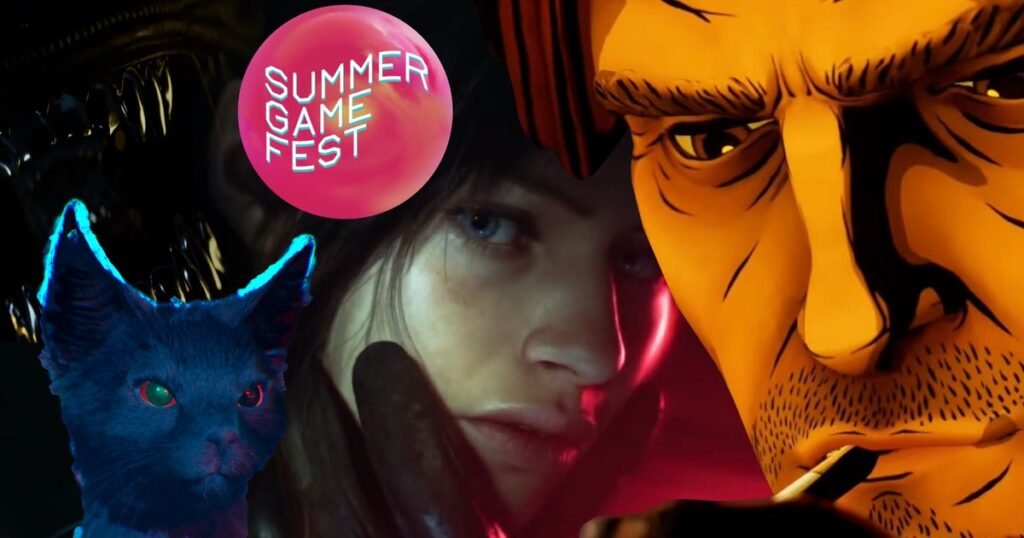
The fear has been that games retreat to safety: fewer gambles, surer bets, more recognisable genres and familiar mechanics, more sequels, remasters, remakes and revivals than ever. And if this year’s Summer Game Fest is any representation of the industry at large – and crucially, it is very tenuous to call it a true representation, though it is the most prominent, outwardly public-facing one we have in lieu of E3 – that prediction was more or less spot on. This year’s showcase was good fun. The crowd, at least from where I was sitting in the room, seemed animated and excited. The tempo of announcements was furious. The vibes were good; the recovery is on. And yet there was a common theme alongside it all. The video games were, mostly, old.
For all the talk of ingenuity and creative risk-taking in each of these Geoff-con festivals’ opening sermons, much of this year’s Summer Game Fest was built on the notion of returning to the past. If there’s a message to be taken from reactions and hype videos and little viral clips of people’s faces overlaid on the streams, it’s that nothing gets people more excited than recognising a thing they already know.
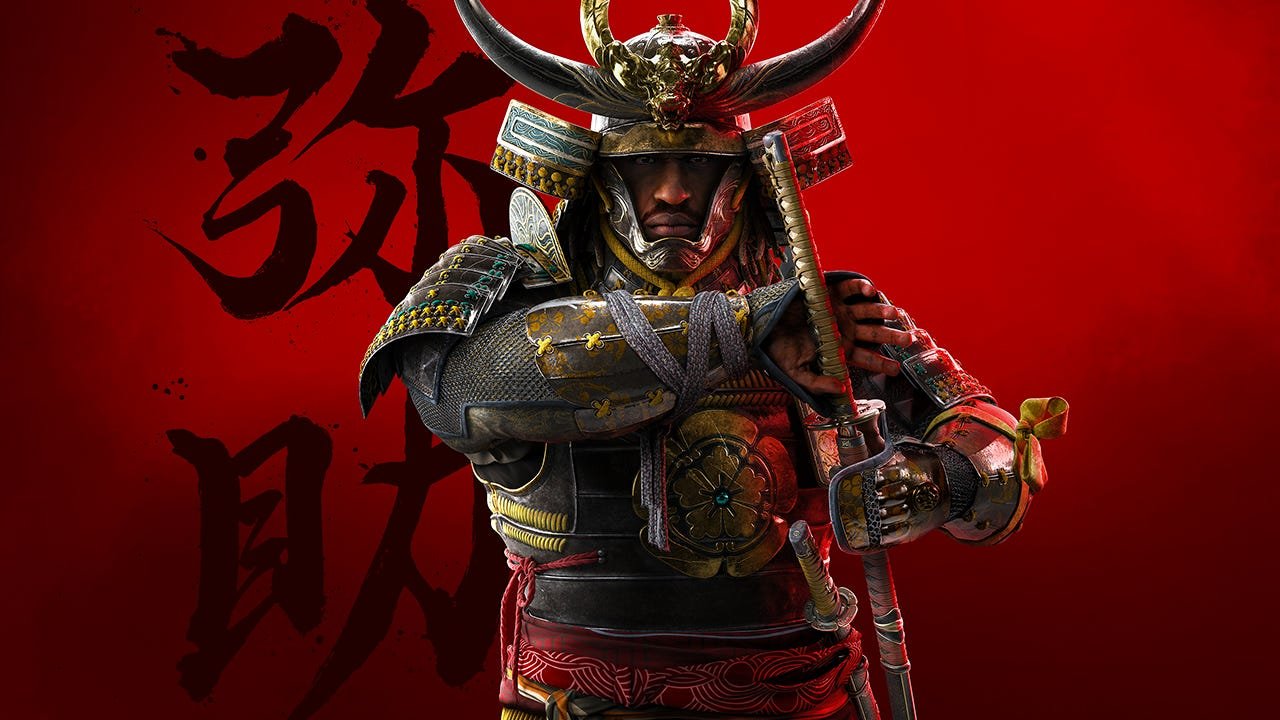
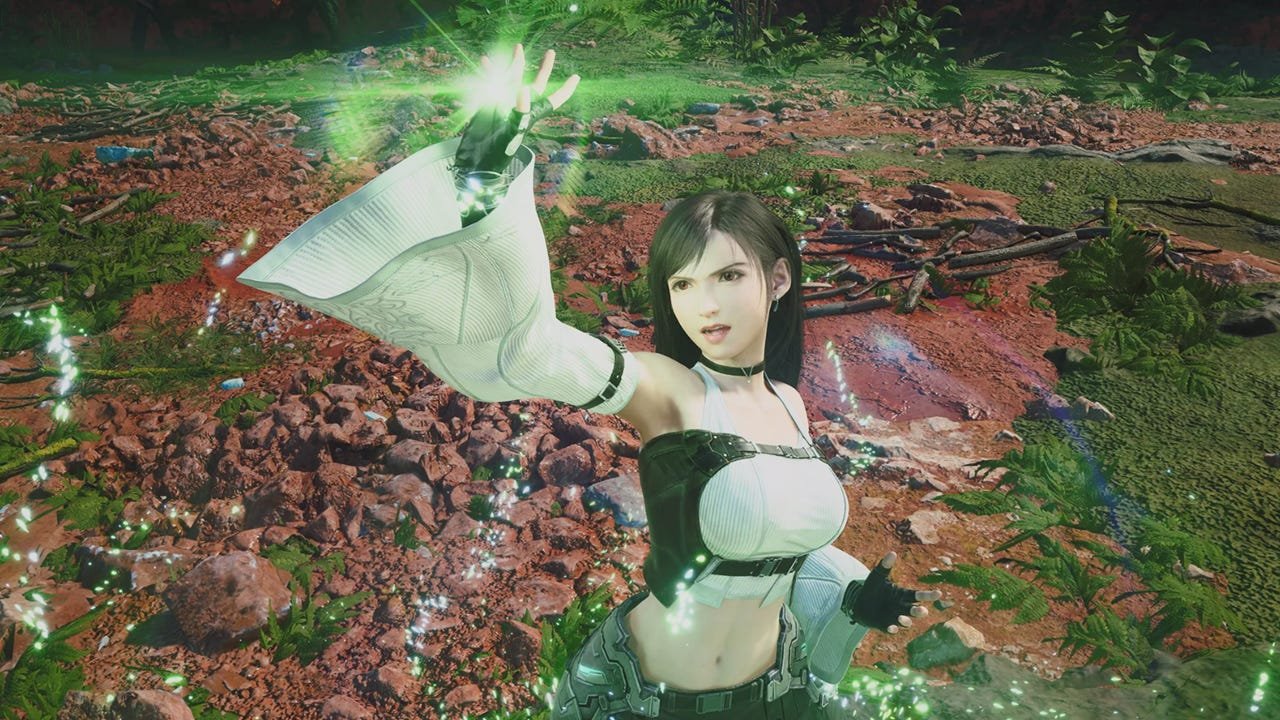
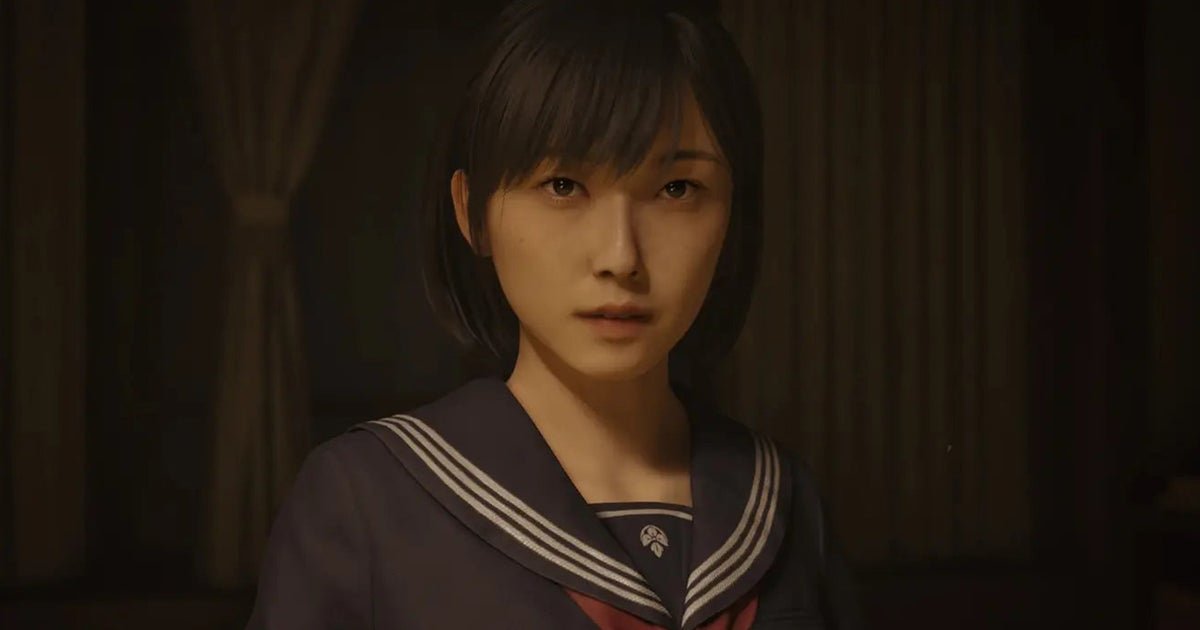
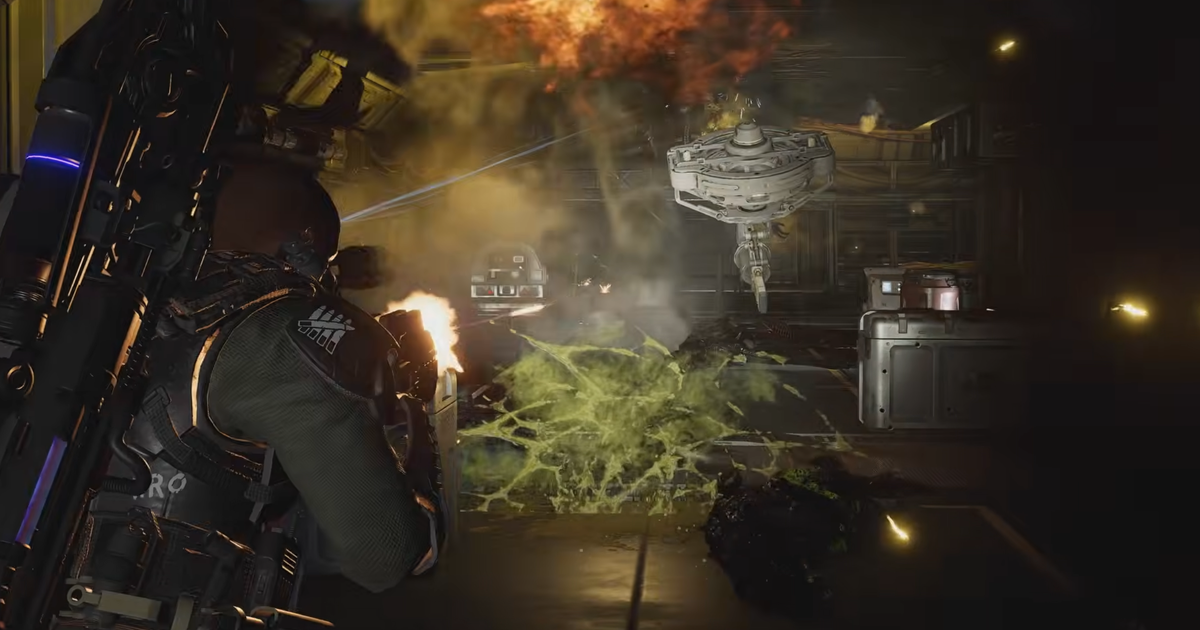
Some examples: Resident Evil opened the show to a roar, with the return-of-slash-reference to 2000’s Resident Evil – Code: Veronica. We got the return of Virtua Fighter, the return of The Wolf Among Us, and the return of Turok. We got big partnerships with Teenage Mutant Ninja Turtles, Attack on Titan, Star Wars, and Saw. We got sequels to Alien Isolation, Cuphead, Mortal Shell, Control, Guild Wars, Grounded, Lords of the Fallen, Aion, Hot Wheels, Stellar Blade, and The Wolf Among Us again. We got remakes of Final Fantasy 7 and Assassin’s Creed Black Flag, re-releases of RuneScape Dragonwilds, adaptations of Among Us, and familiar, returning, or recognisable faces in Street Fighter 6’s Tifa and Mafia: The Old Country’s young Don Salieri. Oh and Tupac obviously, in Stranger than Heaven.
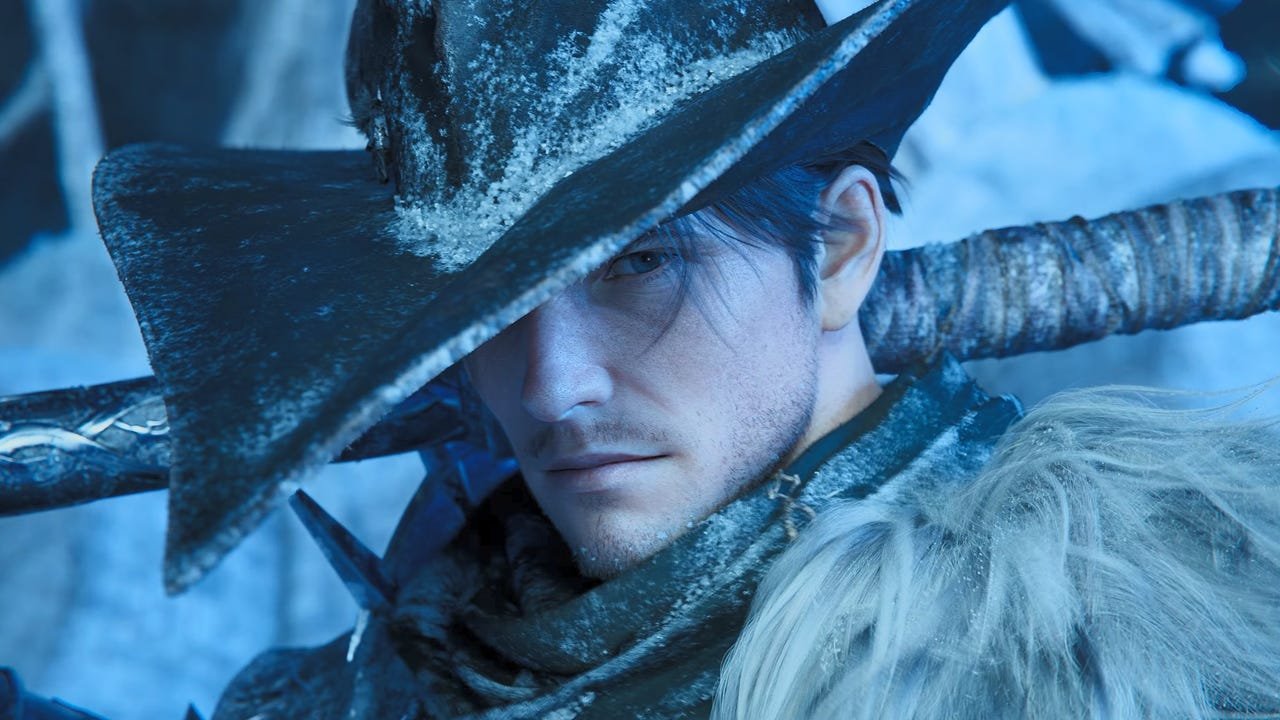
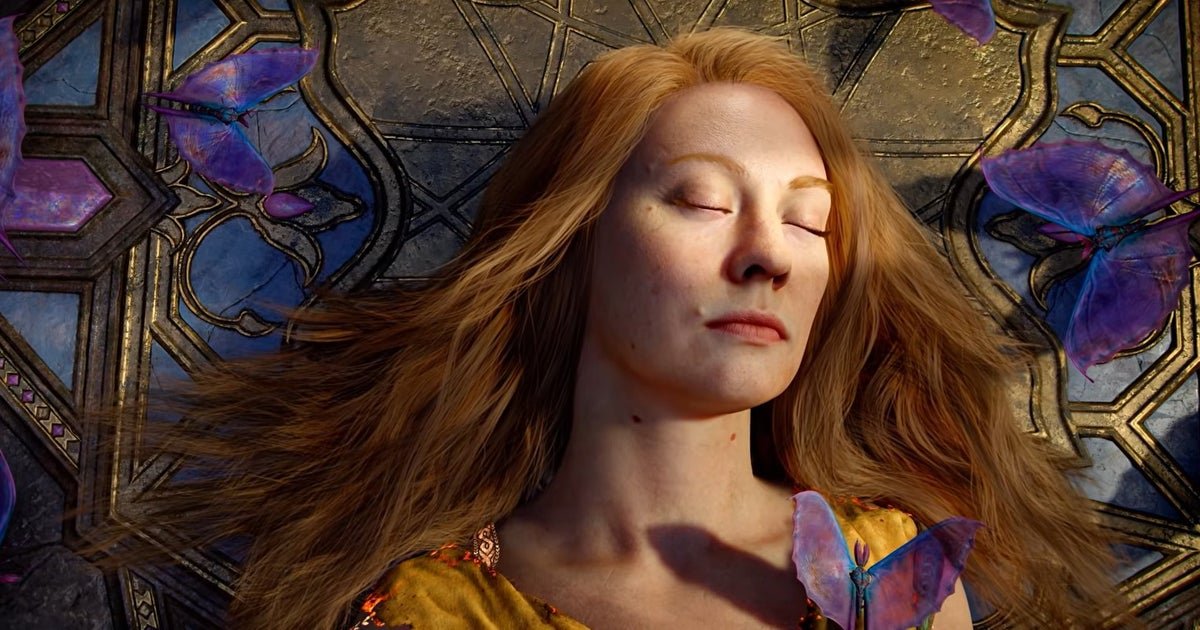
There are exceptions, of course. Painting the entire showcase – let alone the medium – as purely backward-facing is facile and ultimately wrong. Patrice Désilet’s 1666 Amsterdam, Konrad Tomaszkiewicz’s The Blood of Dawnwalker, That’s No Moon’s Crossfire, and Fumito Ueda’s Gen Atlas are examples of big, generally novel ventures, for instance, while the smattering of curios throughout – An Eggstremely Hard Game gets bonus points for the pun – all serve as great counterexamples. Plus plenty of those sequels and remakes are frightfully exciting – Alien Isolation 2, for instance, looks to be a stunner. And it bears emphasising: this is far from a new phenomenon either. Perhaps as a medium games will always mine from their past, and at times that can also be a strength – Resident Evil itself a fine example, with Requiem earlier this year.
But even then, the novel games were rarer, and there’s once again a thread of recognisability here. Those four big, new-seeming blockbuster games in new franchises – we’re not saying ‘new IPs’ here folks – earn at least some of their hype from being games by That Guy I Know. The Assassin’s Creed guy, the Witcher 3 guy, the Naughty Dog and Call of Duty people, the Shadow of the Colossus guy. I’m far from innocent here – I am extraordinarily excited about Ueda’s return with genDesign, a developer and studio of almost peerless vision. And I’m deeply curious about those others, precisely because it makes sense to be, given the pedigree of who’s making them – and also, of course, because they each just look wonderful in turn.
Yet still: the defining factor here is the importance of recognition. (There’s also a certain irony to hanging hopes of invention on Ueda’s game in particular – this time last year, he praised Keita Takahashi’s To a T while also wondering aloud whether we are “no longer in the era where we need to provide new devices or new game mechanics every single game”, in a somewhat lamenting question of his own.)
And so altogether this sense of looking backwards, at a time when ingenuity and creative gambles are rightly touted as the way forward, feels especially pertinent. Games have been thoroughly shaken these past few years. Exacerbated by a tendency towards nostalgia and Peter Pan syndrome, games have, like all things that feel threatened, retreated to figuratively safer ground. Wheel out the references. Fire up the brand partnership proposal cannon. Dig up the cult favourite series you once happily buried alive. Get that guy we got rid of back in here, and give him all the lint and pennies you can find in your pockets, plus several million dollars from oh I dunno, China. Turn a little more towards the reactionary for easy approval. Reanimate the frozen mechanics of the past. And get a zombie in there, stat! Video games are going back to the future, baby. Let’s hope what’s old can still feel new again tomorrow.