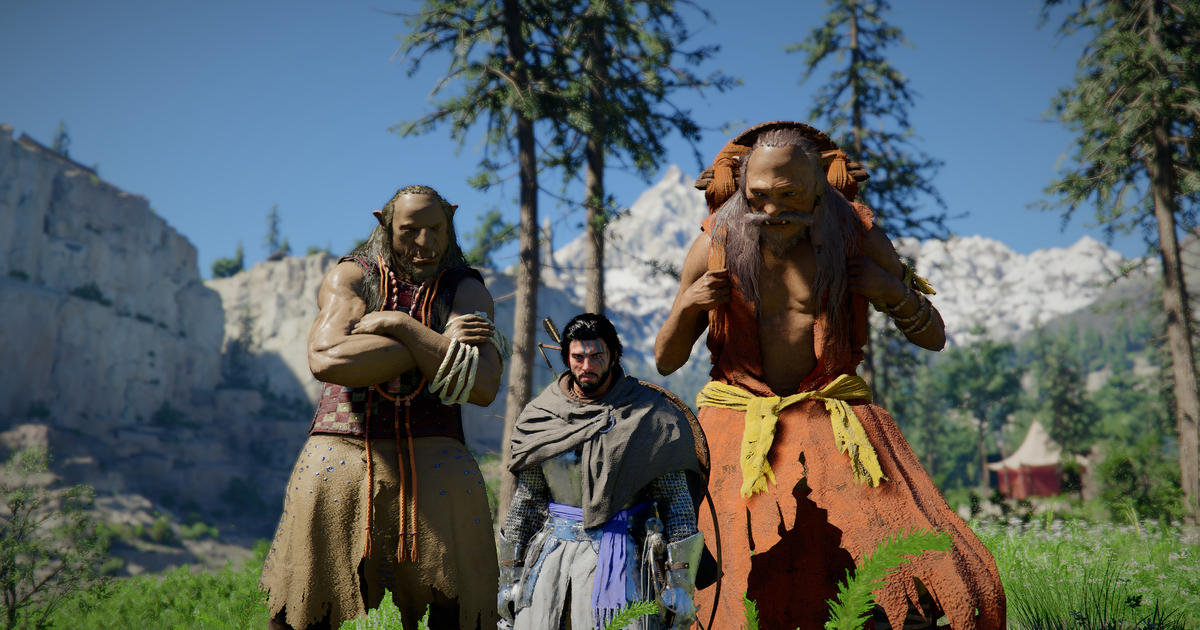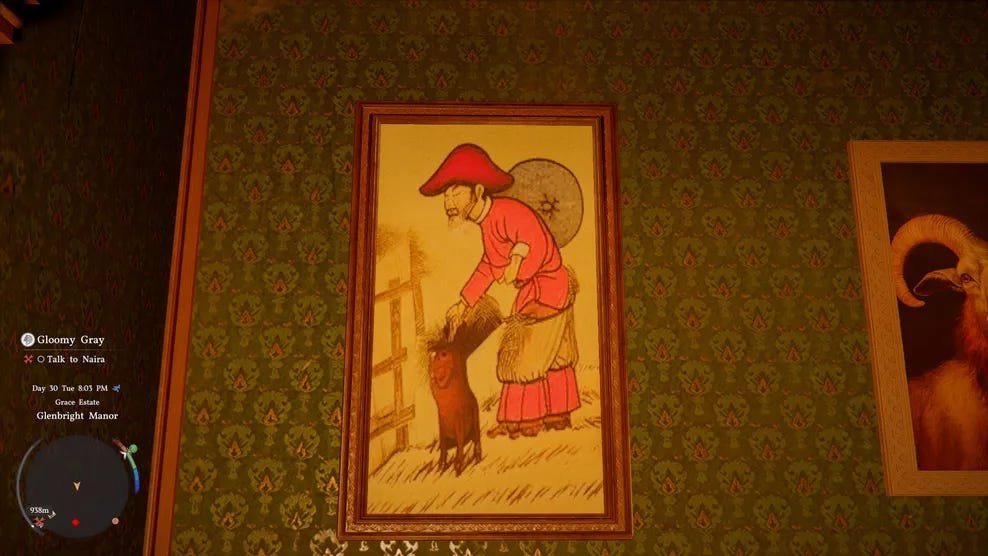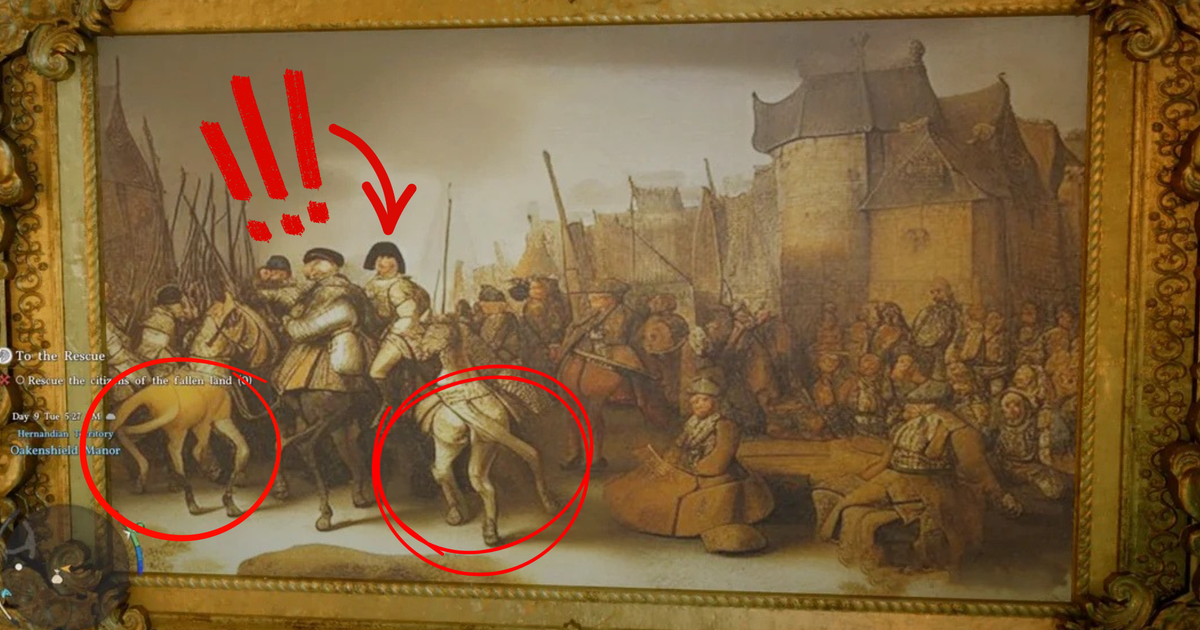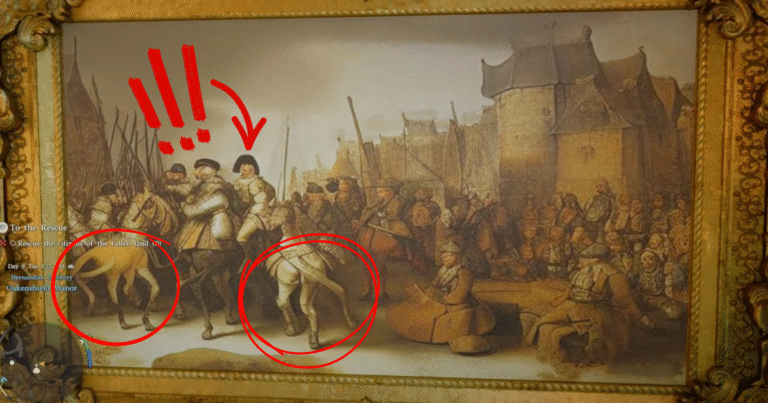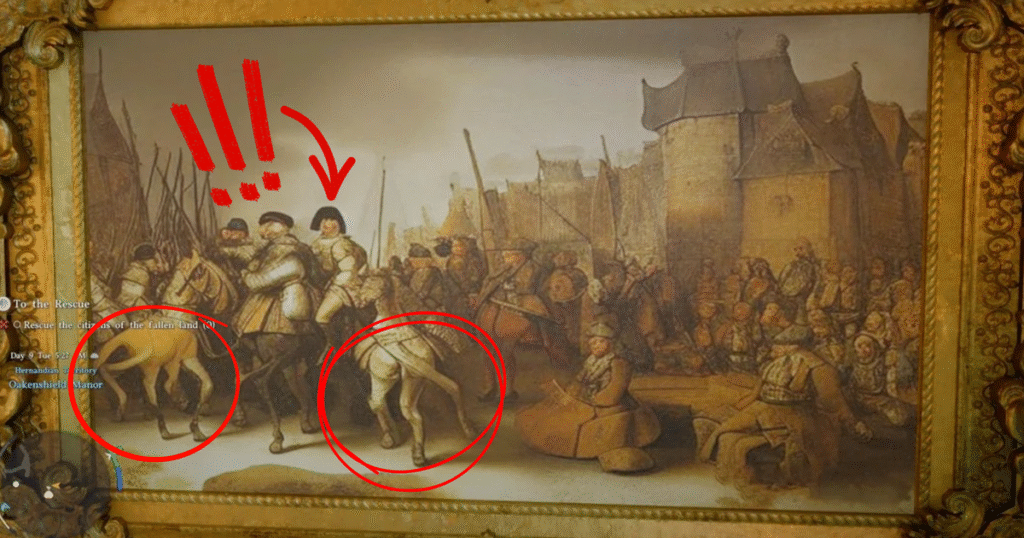
Crimson Desert developer Pearl Abyss has responded to claims its latest game used AI to generate images, admitting “2D visual props were created as part of early-stage iteration using experimental AI generative tools”, but claims it had always intended to replace them before release.
We reported signs of AI-generated art and AI-generated translation in Crimson Desert yesterday after a crop of dubious in-game images popped up on social media, leading some fans to call it “the final nail in the coffin” for the beleaguered game. Now, in a statement, the studio “sincerely apologise[d] for these oversights”.
“During development, some 2D visual props were created as part of early-stage iteration using experimental AI generative tools,” the company said via social media. “These assets helped us rapidly explore tone and atmosphere in the earlier phases of production. However, our intention has always been for any such assets to be replaced, following final work and review by our art and development teams, with work that aligned with our quality standards and creative direction.
We would like to address questions regarding the use of AI in Crimson Desert.
During development, some 2D visual props were created as part of early-stage iteration using experimental AI generative tools. These assets helped us rapidly explore tone and atmosphere in the earlier…
— Crimson Desert (@CrimsonDesert_) March 22, 2026
To see this content please enable targeting cookies.
The statement continued: “Following reports from our community, we have identified that some of these assets were unintentionally included in the final release. This is not in line with our internal standards, and we take full responsibility for it.
“We also acknowledge that we should have clearly disclosed our use of AI. While these tools were primarily used during early production, with the expectation that these assets would be replaced prior to release, we recognise that this does not excuse the lack of transparency. We sincerely apologise for these oversights.”
The studio now says it is “conducting a comprehensive audit of all in-game assets and are taking steps to replace any affected content”. Updated assets will be rolled out in “upcoming patches” as it also reviews and strengthens its “internal processes to ensure greater transparency and consistency in how we communicate with players moving forward”.
The statement did not address claims Pearl Abyss also used AI to generate its language translations, but Crimson Desert’s Steam listing has been updated to now accurately disclosure the game was developed using “AI generated content”.
Pearl Abyss’ Crimson Desert launch woes continue, with a slew of technical challenges across platforms and storefronts, resulting in frustrating delays for some players and outright unplayability for others. Meantime, Intel has now provided a statement to Eurogamer, following revelations that Crimson Desert does not support Intel Arc Graphics Cards, writing: “We’re aware that Crimson Desert currently doesn’t launch on systems with Intel GPUs and we’re hugely disappointed that players using Intel graphics hardware can’t jump into the world of Pywel at launch.
“Our teams are deeply committed to helping all studios deliver the best experience possible, providing open tools, documentation, and direct engineering support to make sure their games run well for everyone, including the tens of millions of players using Intel GPUs. We remain ready to assist Pearl Abyss however we can.”