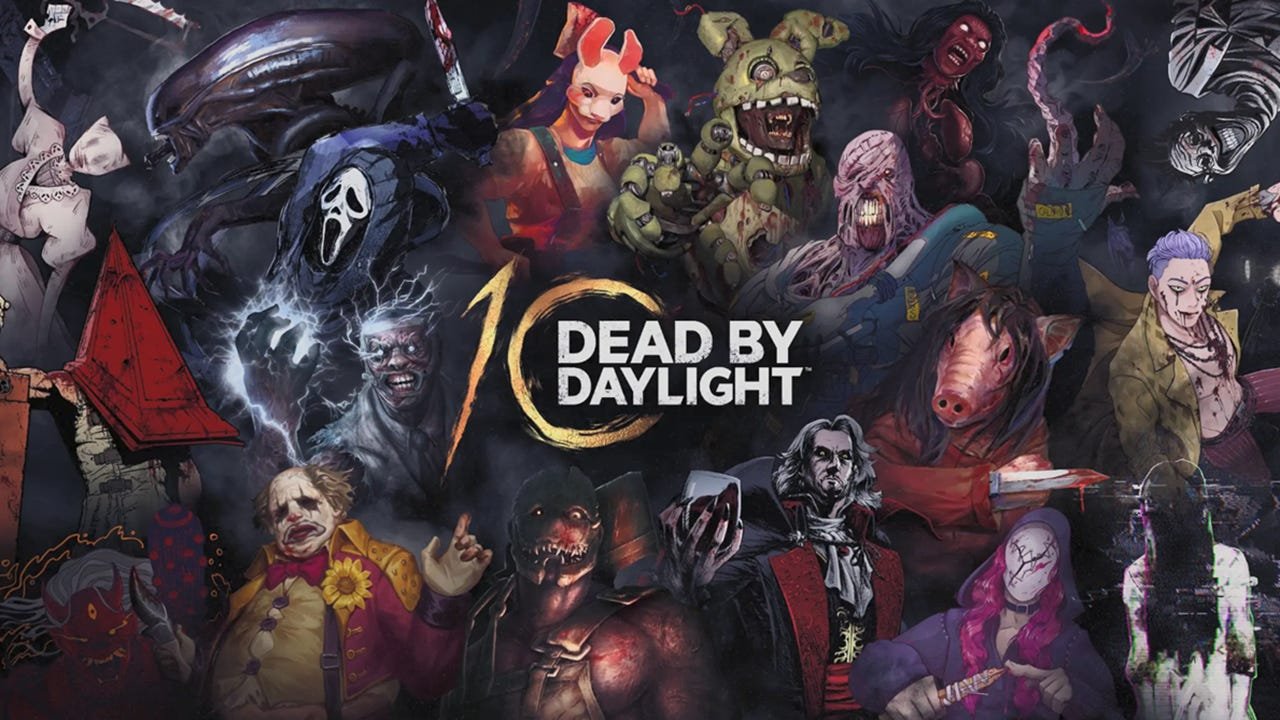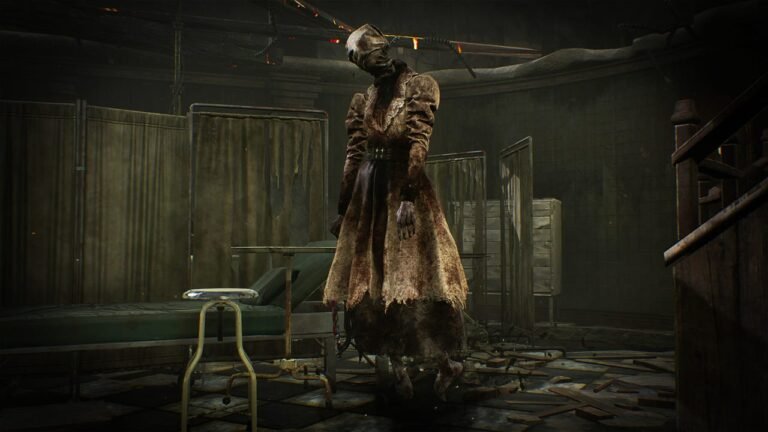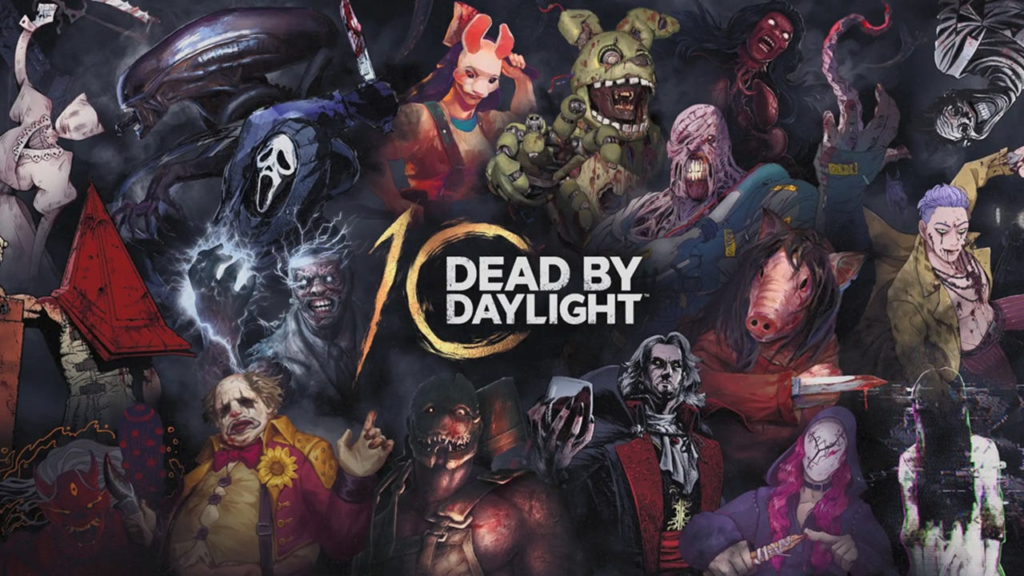
As Dead by Daylight rapidly approaches its 10th anniversary, the developers at Behaviour Interactive have shared their secret to a successful live-service game: “You have to start by not making a live game.”
Head of partnerships Mathieu Cote and creative director Dave Richard opened up about the studio’s game development strategy during a conversation with IGN at the Game Developers Conference 2026 (GDC). While the team is busy looking to the future of its asymmetrical horror hit, they’re also taking the opportunity to look at how they’ve made it to the 10-year milestone.
Through the highs and lows, Richard says Behaviour has managed to keep Dead by Daylight alive by “reinventing ourselves” and “listening to our community.” It’s meant adapting to player desires as the market has evolved, with more modes, Killers and Survivors, and gameplay tweaks added into the recipe as the years come and go.
The plan wasn’t to be a live-service game when launch arrived June 14, 2016, though. Instead, Richard and Cote feel Dead by Daylight has been able to stick around because Behaviour first sought out to create a game that was always fun to replay.
“We created a game, and then through the years, because people kept coming back to it, people kept interacting with it, we added more and more and more and we turned it, we gave it live game features,” Cote said. “But that wasn’t it when we launched, and that wasn’t the objective. We weren’t creating an eternal loop for people to be in and just sort of the hamster wheel, right? That was not the point. We knew we wanted an infinite moment generator, like a game you could play and replay and replay, and still have fun, and still not exactly be sure what you were up against.”
Dead by Daylight launched without many of the components players associate with live-service titles until much later in its life. The Rift Pass, Behaviour’s take on a battle pass, wouldn’t arrive until late 2019, with an in-game store not added until summer 2018.
“Today in the industry, all of these features we’ve talked about need to be in day one,” Richard added. “It’s expected. So, it costs a lot. And if you need to cut features from the game to support a store, everybody loses.”
Cote says their recipe could be repeated, but “you have to start by not making a live game.” He admits the idea might sound “counterintuitive,” but it allowed them to focus on ironing out early kinks while establishing the core experience. One example of shifted priorities even saw Behaviour cut an in-game tutorial to instead make sure Dead by Daylight got an extra Killer to play as.
“The promise was there, and people could see what the idea behind it was, and they could dream the dream with us as we were playing it,” Cote continued. “And then we built more things as we were going along. But it was a really rough thing. And you’re talking about the choices you have to make when you cut things to put in a battle pass, or an in-game store before you launch, which is difficult.”
Dead By Daylight’s New Urban Map for All-Kill: Comeback
Dead by Daylight most recently launched its All Kill: Comeback chapter and will celebrate its 10th anniversary this June. Recent chapters have introduced more characters from Stranger Things, The Walking Dead, Five Nights at Freddy’s, Tokyo Ghoul, and more. Be sure to check out our full interview with Richard and Cote later today, but until then, you can read about why Behaviour says it has no plans to make a sequel.
Michael Cripe is a freelance writer with IGN. He’s best known for his work at sites like The Pitch, The Escapist, and OnlySP. Be sure to give him a follow on Bluesky (@mikecripe.bsky.social) and Twitter (@MikeCripe).