In another life, I wrote extensively about Tunic over at our sister site, VG247. It was my favourite game of 2022. I was obsessed. As well as deep dives into the intricate (and often musical) puzzle design, the hidden messages people took years to find, and why the soundtrack elevates the game from memorable to unforgettable, I wrote multiple articles about the game each time it came to a different platform. I just wanted people to play it. If even one other person picked up this game and felt the same sort of childlike sense of wonder and spaciousness that I did when I first played it, I’d feel content. I’m that serious about Tunic. I think it healed something young and vital, deep inside me.
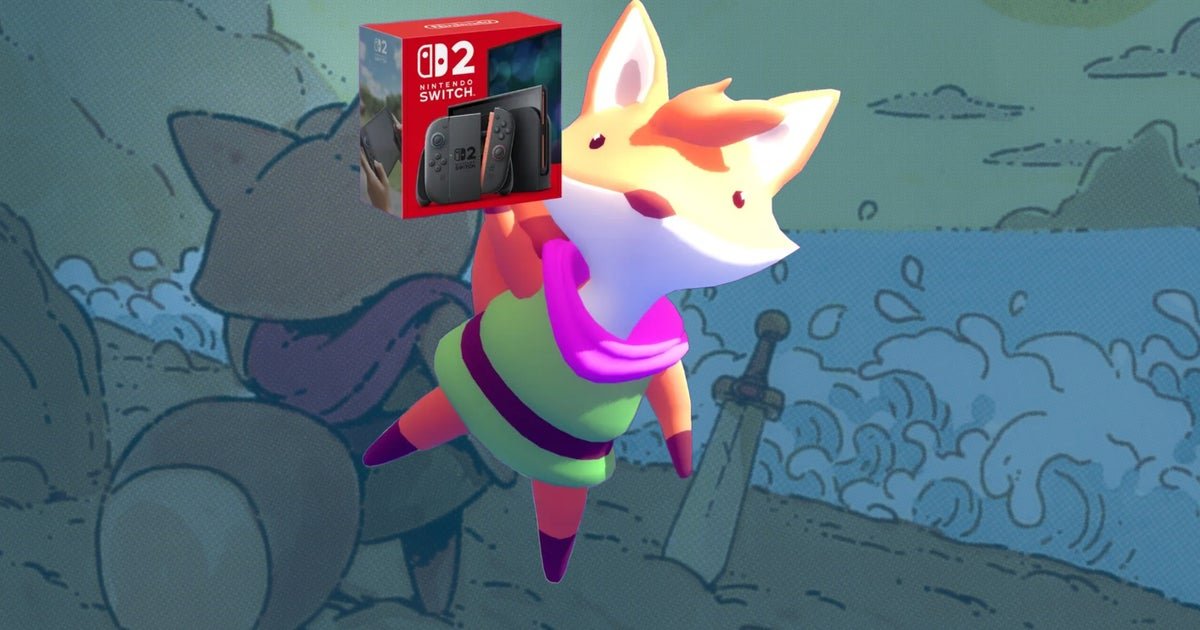
At its core, Tunic is all about a little fox on a big adventure. It owes a lot to Zelda, particularly the first three games in Link’s canon, and via this beautiful isometric, tilt-shift art style, it shows you a world packed with dangers and collectibles you need to explore to figure out what’s going on. But beyond that you don’t know much. You can’t even read the signposts – developer Andrew Shouldice literally invented a whole new language for Tunic, and even the in-game instruction manual is printed with this arcane script.
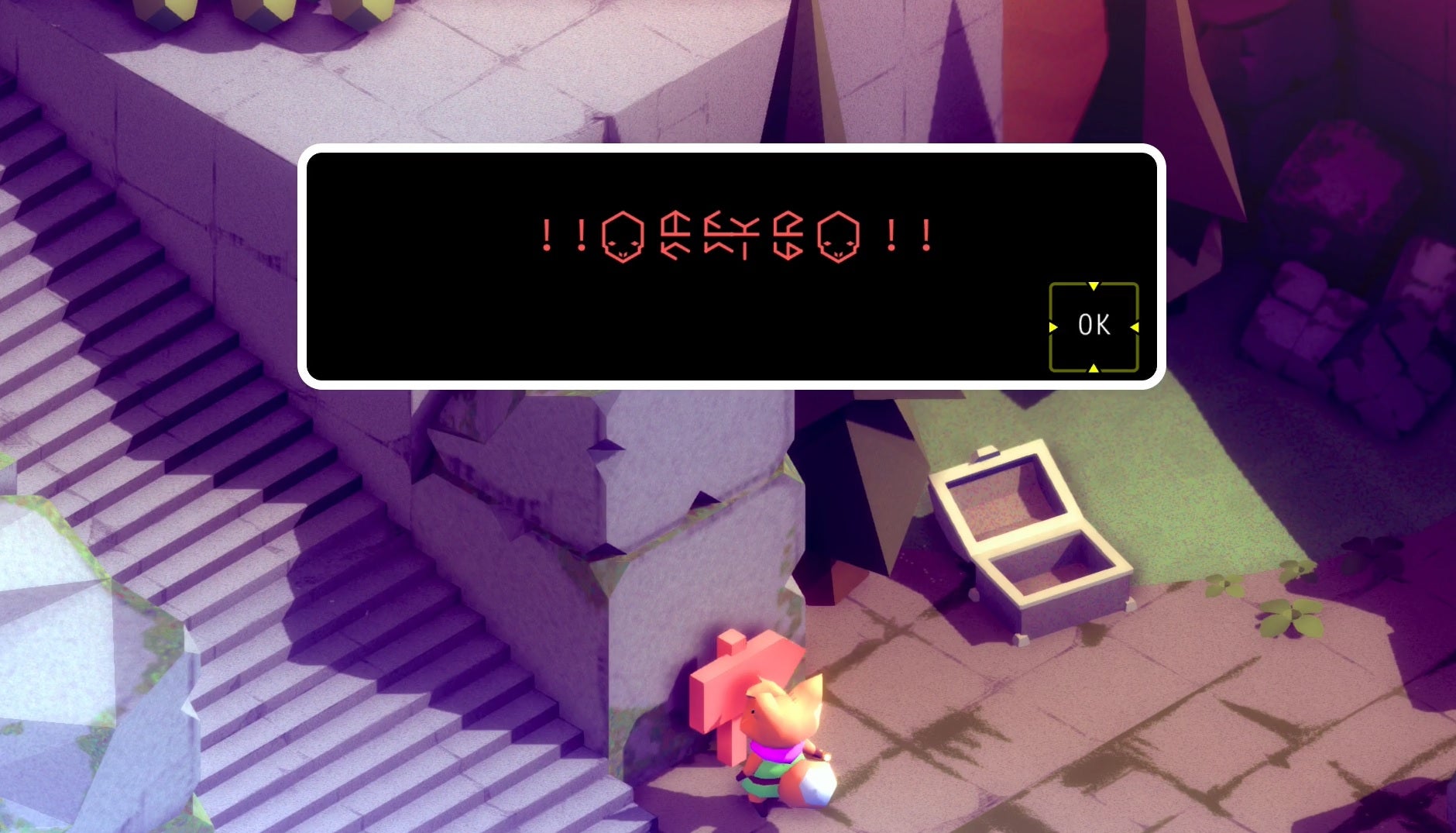
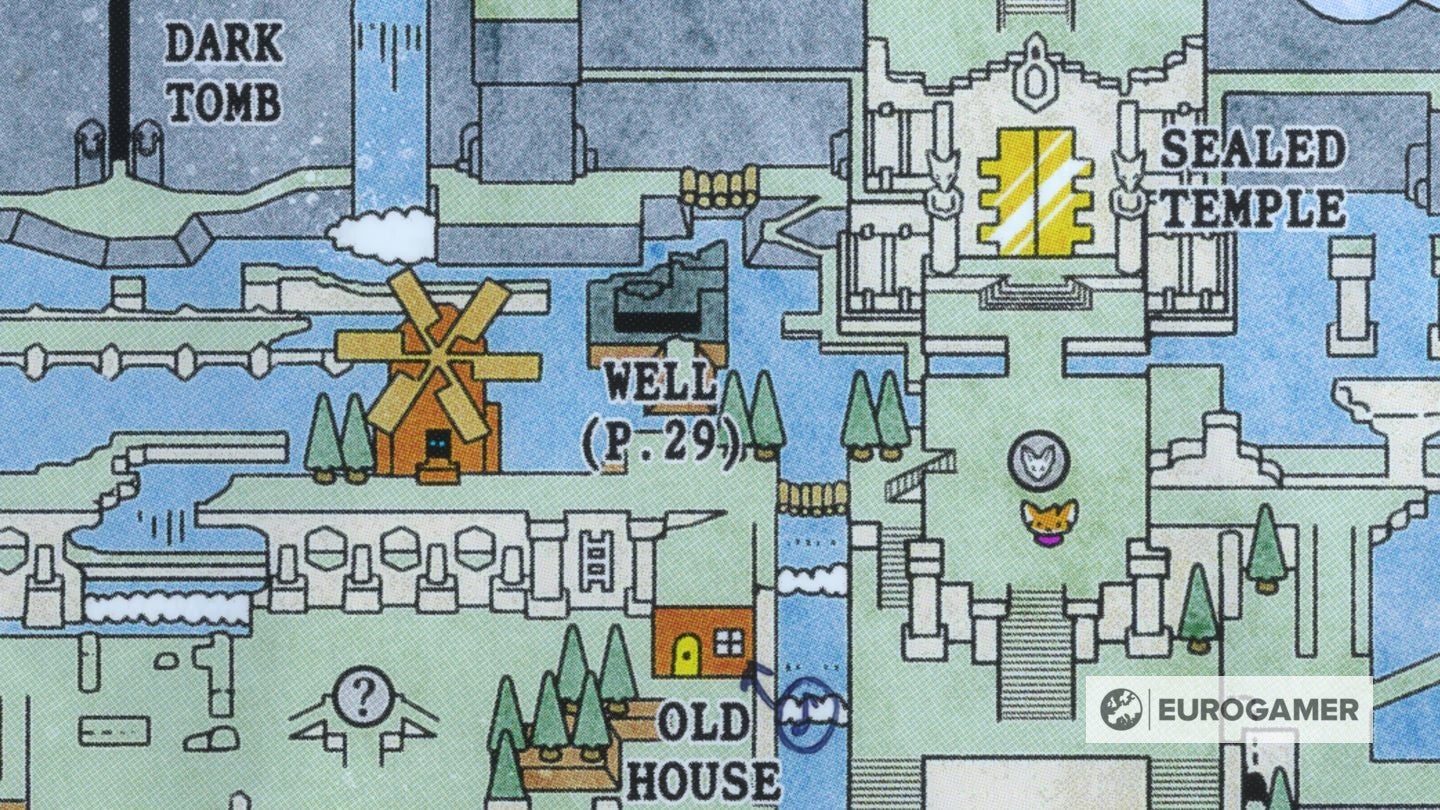
To understand what’s going on in the game, you must find torn bits of the manual in the game world itself. As you piece these back together, you start to understand what the bigger picture is – what you’re expected to do, where you’re expected to go, and how you’re expected to get there. Many of the mechanics are actually available to you from the get-go, you just don’t know what they are or how to make use of them until the guide points you in the right direction. It’s show, don’t tell.
Therein lies Tunic’s genius, I think. Yes, there’s (fairly) difficult combat, yes, there’s a Soulslike bonfire mechanic, yes, there are bosses. But the real nuance and brilliance of this game is not found in skirmishes, it’s found in the margins, in the quiet moments where your little fox is just trying to sniff out where the hell he’s supposed to go next, making sense of the monoliths that litter the landscape, or piecing together meta-puzzles hinted at in scraps of paper found in throughout your journey.
Even the isometric perspective of the game is used to great effect: the specific way you look at the world means the developers can hide pathways and secrets in plain sight. Anything that juts out, anything that overlaps, anything that suggests there might be a secret squirreled away in the margins between what is seen and what is present is worth checking out. Some are dead ends, some lead to disappointing ‘half-surprises’, and some reveal even more curious threads to pull on that all weave into one big conspiracy. It’s intoxicating.
Tunic is oblique without being smug. It feels like an old-school Nintendo game in that it encourages play. It suggests what its systems and mechanics might be and leaves them laid out nicely for you to come and interact with at your leisure. Unlike so many games these days, it doesn’t want to yell at you – it wants to encourage you. To explore, engage, and experiment. It’s deceptively deep, and at once a fond tribute to the adventure games that refined a genre and was innovative in its own right. If you’re anything like me, you’ll get hooked on all the tiny details – both visually and mechanically – and find yourself mulling over the possibilities and impossibilities of the game as you drift off to sleep at night.
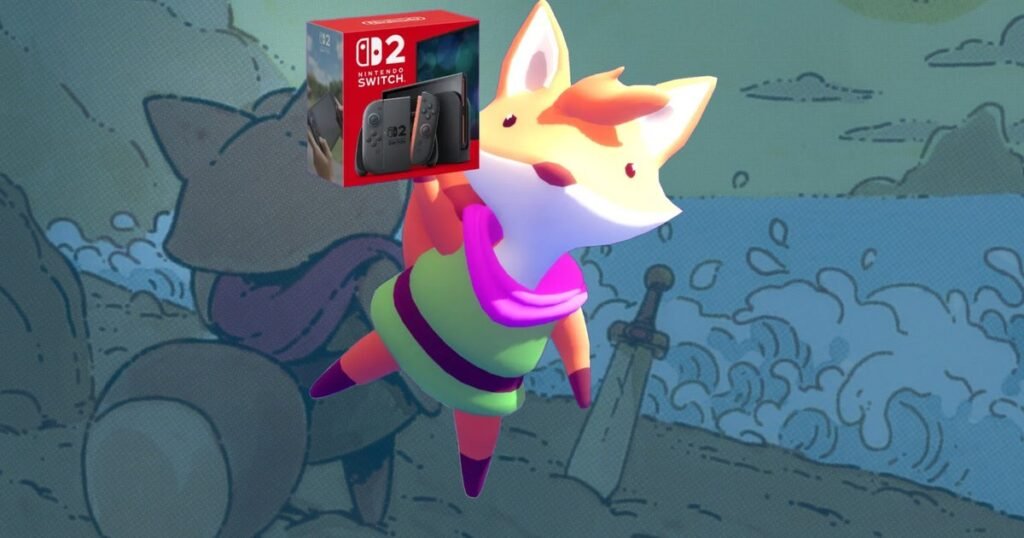
Via a post on BlueSky yesterday – on the game’s fourth birthday – Finji announced that Tunic is coming to Switch 2 at some point in the future. There’s no date on it yet, but the update is “on its way”, apparently. As if I needed an excuse to go back. I just hope at least one person reading this will be coming with me.