So far, the headline story in 2026 has been AI. Whether it’s the furore around the whole DLSS 5 saga or Crimson Desert developer Pearl Abyss shipping the game with art assets of gen-AI origin, it’s impossible to avoid the topic in videogames and beyond. Today, renowned Valve writer Erik Wolpaw has chimed in.
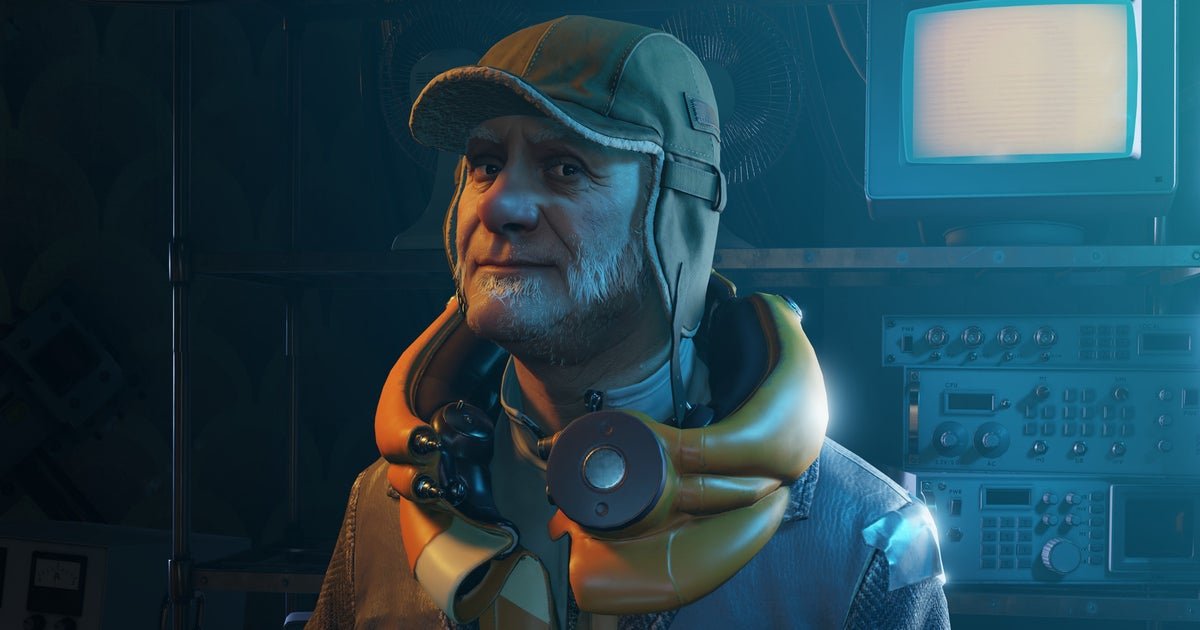
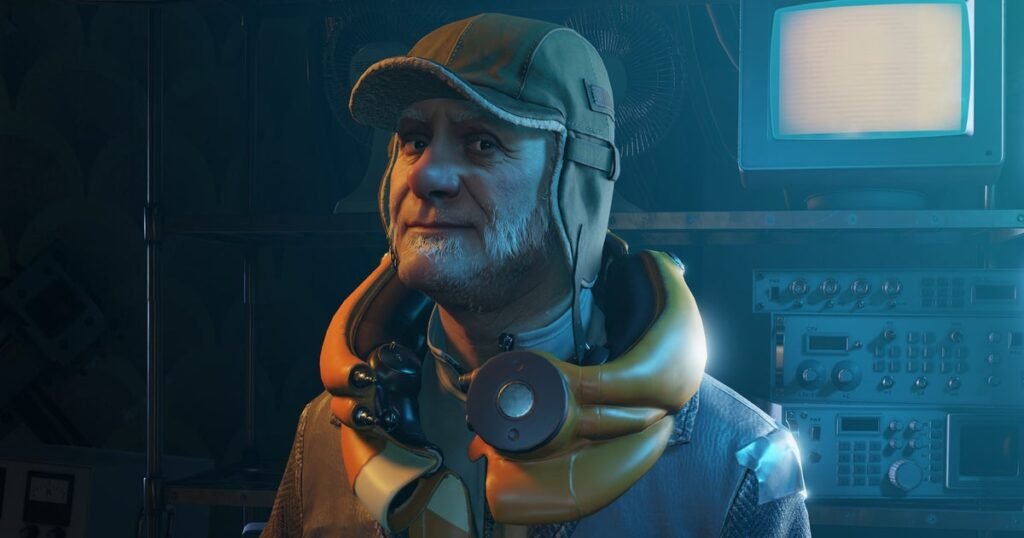
The Half-Life 2 and Portal co-scribe was part of 19th March’s MinnMax Show episode (hat tip to GamesRadar) where he got the chance to comment on the current usage of AI tools and where Valve, an infamously secretive developer, stands at the moment. Even though Wolpaw departed the company in 2017 to co-write Psychonauts 2‘s story, he returned to work on the VR-only spinoff Half-Life: Alyx as a contractor.
He revealed a “small group of people” have “been looking at some AI stuff,” adding it’s also “taught him some stuff” before underlining he isn’t “worried about AI taking over creative writing” anytime soon. According to him, artificial intelligence is still terrible at coming up with, and delivering, the compelling storytelling that most people connect with: “I’m not just saying that defensively. We’ve really been messing around with it. And like art, there’s a lot of questions about that, but I don’t think it’s going to – anytime soon – be writing novels that are better than human.”
He is, however, at least partially interested in how it could potentially help thinner writing for characters that react to players’ actions (which reminds me of the gen-AI NPCs talk that’s gone nowhere so far): “If you throw enough artists at a game, enough humans can create the art for a game or almost any of the disciplines. The thing with game writing and game writing specifically is that we have always had to simulate… characters in the game reacting to whatever you do in real-time.”
While he thinks it’s those areas that are “worth investigating” over time, he also rushed to make it very clear that Valve isn’t adding anything AI-generated to any of their games, at least right now: “This is just some people sitting around, being like, ‘This is a crazy technology – it would be kind of silly for us not to look into it at least.'” It’s a similar stance to Capcom’s, with the key difference being the Japanese giant has made it official already as it looks to boost productivity.
Valve is known for its rather “relaxed” approach to creative thinking and development inside the company, whether it applies to its software or hardware side, with many ideas bouncing around before going anywhere or hitting the bin years into prototype development, so this doesn’t exactly come as a surprise. Will it lead anywhere significant? Time will tell, but it’s looking bad for ‘AI slop’ right now.