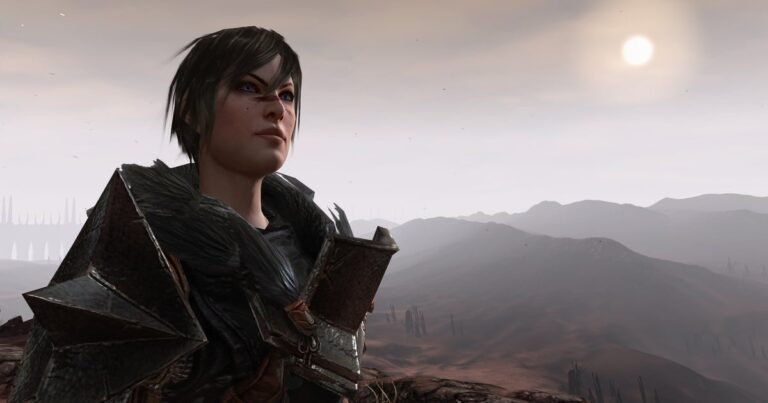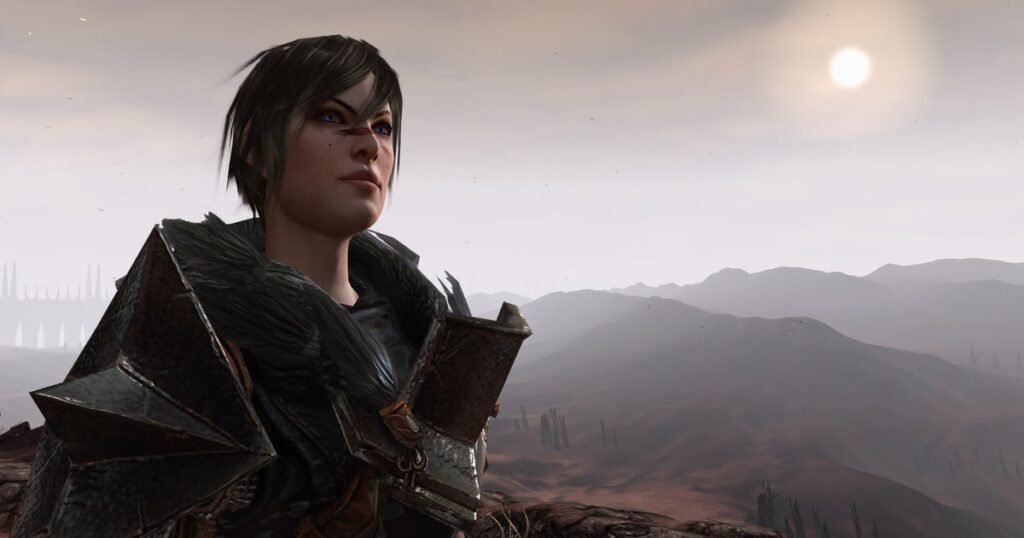
No matter what your feelings on Dragon Age: The Veilguard were, the fantasy RPG series remains relevant and fans have been celebrating the second game‘s 15th anniversary for the past few days. Disappointing to many, but celebrated by some of the series’ diehards, Dragon Age 2 still gets people arguing online over its value as part of the larger universe.
TheGamer had the chance to chat with Dragon Age creator David Gaider about the sequel, its development struggles, and the series as a whole. One of the most interesting chunks of the full conversation, however, was the writer’s comments on world states and the reactivity based on player choices across different games. How could one possibly deliver, not just on the writing front, on every major choice players made in previous instalments?
According to Gaider, it’s “such a mixed bag,” and he said he’s been feeling that way about it since Dragon Age 2. “Even to do the amount of reactivity that we did, which went from one line references to [an old] character reappears, and you have an entire plot, it always feels like it’s never enough… The people who want reactivity, what they really seem to want is a whole diversionary plot.”
Considering DA2’s reduced scale (mostly defined by its very short development), that wasn’t much of an issue at first, but the much bigger Inquisition and Veilguard ran into several walls years later when it came to big narrative beats that fans had grown a bit too attached to. The Mass Effect series kept things tight on that front with a clearer narrative roadmap for the full trilogy, but the upcoming Mass Effect ‘legacy sequel’ of sorts will have to make a choice after the universe-shaking endings of ME3, as having an entirely different version of the massive RPG simply isn’t a realistic option, no matter the team’s size and production budget.
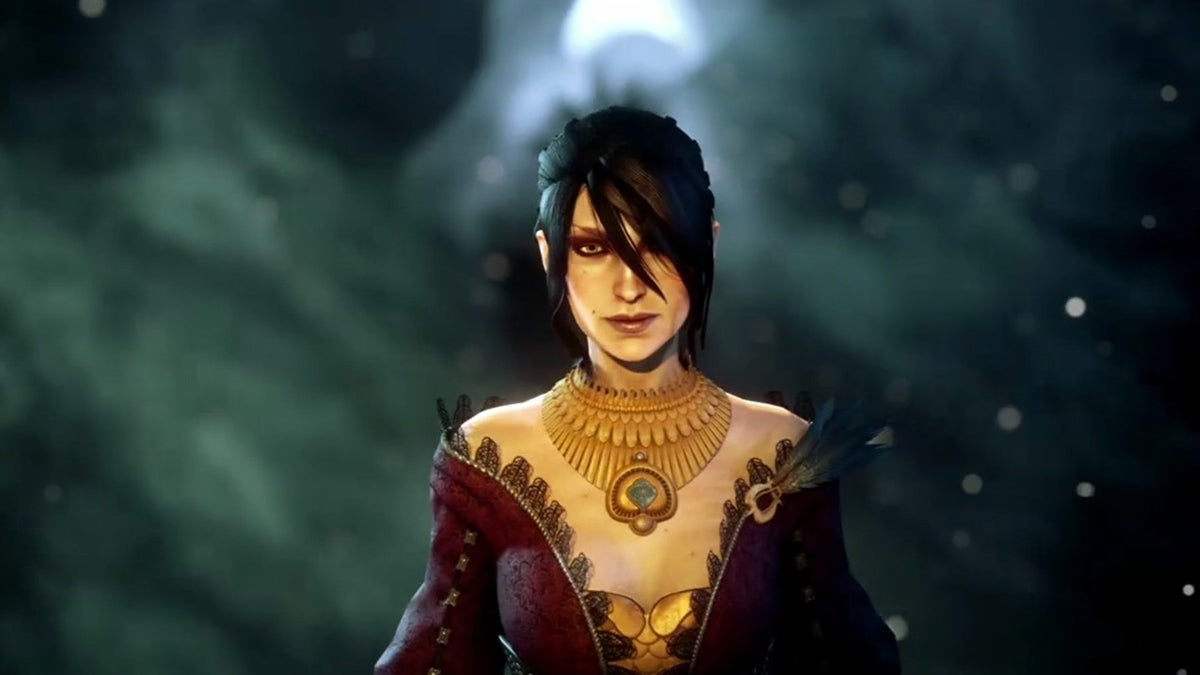
With Inquisition came the problem of Morrigan’s ‘Old God Baby’ (that’s what the fans call them): “What [fans] really wanted was for the Old God baby to have this world-shaking importance… That, if he existed, there’s this whole entirely different ending to Inquisition. And I can’t do that. As much as I’d like to, I can only do that in the space of a novel. I can’t do that in a game,” Gaider explained.
If you continue to make sequels that empower players by giving them meaningful choices, return to the same setting, and have legacy characters show up, the problem only becomes even bigger. “It’s either irrelevant or not enough,” Gaider concluded before adding he loved writing callbacks “like with Alistair’s mom” nonetheless. It’s just a tricky thing to pull off in a way which satisfies veterans, at least within the constraints of large-scale game dev.
As one of the key architects behind the Dragon Age series, Gaider has never shied away from discussing the world of Thedas and BioWare’s past and present. Eurogamer’s past conversations with the creative shed light on 20-year-old secrets and the creation of maps for the first three games, and continue to be great reads if you’re passionate about Dragon Age.