One of the biggest names in the world of first-person shooters has made the leap to mobile, and it has done so at an especially interesting time. Mobile gaming has been on the rise, with ever-rising hardware prices and ever more competition for people’s attention and money snatching potential players away from their PCs and consoles. A person’s phone is increasingly their primary route to entertainment.
Rainbow Six has been a dominating figure on PC and consoles, but can it succeed at making the leap to a fiercely contested platform, with a landscape that has felled even Call of Duty games? Can it do this now, of all times, when Ubisoft is struggling to find its footing? And maybe most importantly: can it adapt such a tactical, competitive shooter to the mobile format at all?
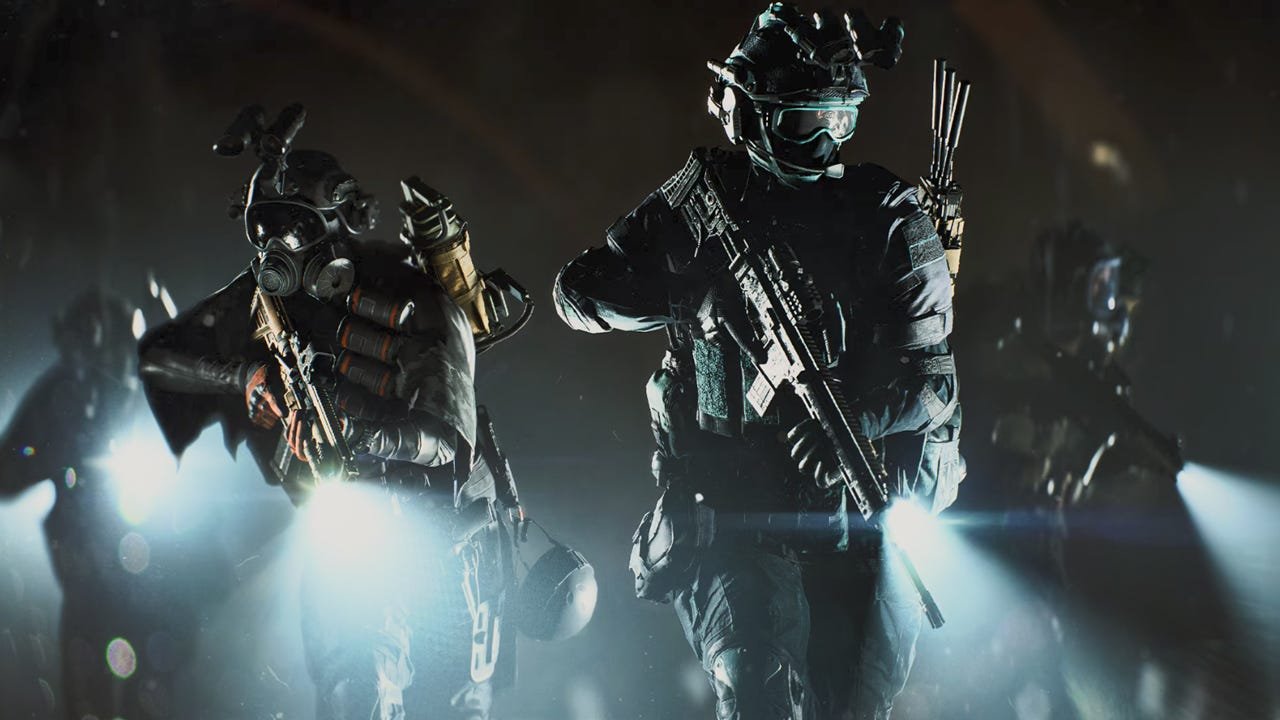
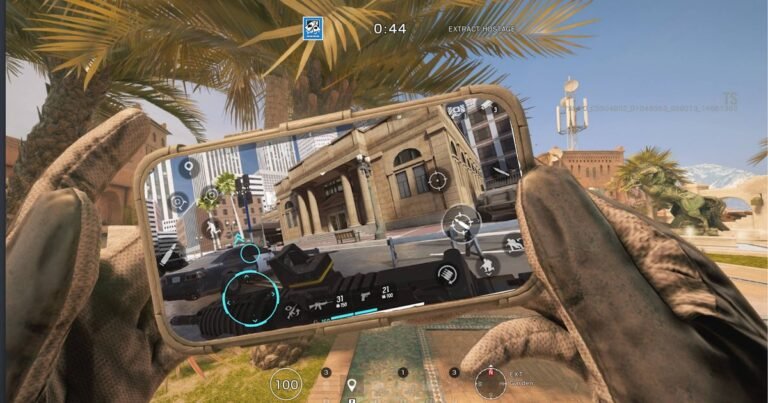
“Compressing” that tactical nature into something mobile-friendly was “the biggest challenge,” Rainbow Six Mobile game director Olivier Albarracin admits, during our conversation earlier this month. “Having the spatial awareness, the maps, the destruction, the Operator synergy… the mobile screen means touch controls, and it also means all the different hardware. So we had to improve the clarity in-game, and also the pacing while retaining that strategic core we brought over from Siege.”
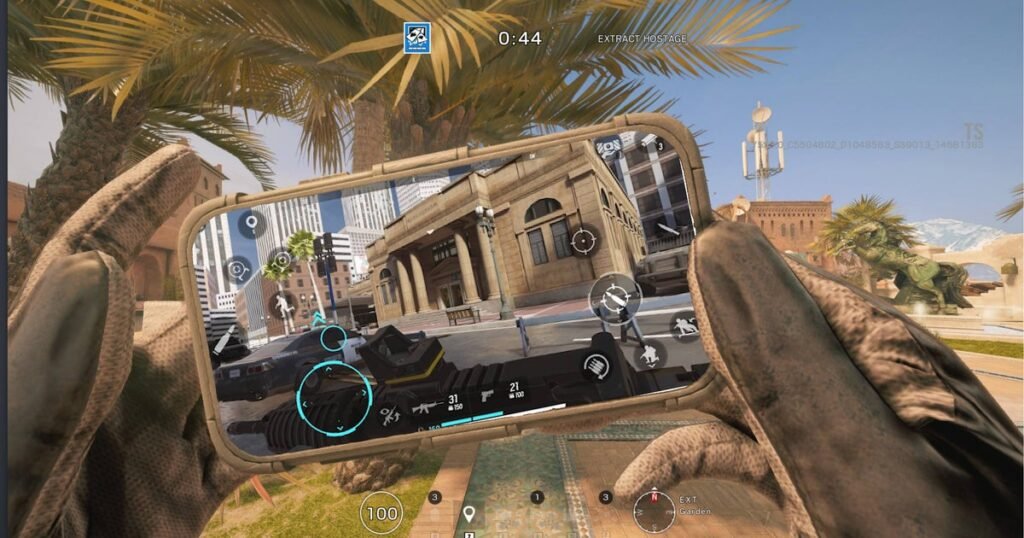
Aiming to bridge the chasm of difference between what a PC or console can do compared to your average mobile phone, Rainbow Six Mobile has shorter sessions lengths, carving down the typical saga that is a typical Siege game. Maps have their exteriors cut down too, to hasten the flow of a match. The prep phases, where you set up your defences or scout for info, has also been trimmed for time. All of this is done while keeping the core gameplay people know intact – or at least that’s the goal.
Despite the necessary tweaks, for Albarracin high-intensity tactics and mobile gameplay aren’t oil and water, like you may assume. “I think there’s a mix of everything on mobile, it’s the biggest gameplay platform there is,” Albarracin states. “We do want people to come in who perhaps aren’t into the Siege gameplay. So we’ve tried to lower the friction without decreasing the skill ceiling.”
When pressed on how exactly you do that, he laughed: “So it’s a difficult thing to do, of course! But, we keep trying and improving. One way is to do some systems such as auto-shooting, we have systems like lean-sliding so you tap the aim-down-sight button and you can actually slide and it leans. Auto-vaulting – a lot of auto-systems that kind of reduce the number of buttons on the screen.”
Rainbow Six Mobile seems to be off to a solid start, with over 10m downloads according to the Google Play store. While a PR representative was sure to note this figure includes both the pre-launch tests and post-launch player base, it’s still not a shabby figure to see just over two weeks after its release. But while the early signs are positive, the mobile market remains a brutal one. Call of Duty Warzone Mobile, a follow-up to the hugely popular Call of Duty mobile, is the obvious example, with the recent news that its servers will shut down this April. If Call of Duty struggles on mobile, where are Rainbow Six’s odds?
“With our team, we’ve been taking a lot of time to make a game our players want to play forever,” Albarracin said. “To do that, we’ve iterated to make sure our stability is good, that on hundreds of devices [the] FPS is stable and connections are solid. It’s a competitive game, so we don’t want players coming on to find matchmaking is bad. So as long as we give players what they want – mastery and competitive integrity, content they enjoy – we’ll be okay. This is something we’ve built and we have pipelines to ensure we can continue doing so, it’s something we’ve focused on.”
At the same time, Ubisoft seems dearly in need of a win at the moment. The company recently underwent sweeping layoffs, multiple game delays and cancellations.
When asked how important Rainbow Six Mobile’s success was to the company, Albarracin paused for a moment before replying: “I think Siege is an amazing game, and mobile is the biggest medium. I think bringing Rainbow Six to it is only natural if we want Rainbox Six to be a global brand. It allows access to players who don’t possess hardware such as PC and console, and to experience the unique gameplay of Siege. That’s what it’s all about.”
This all leads to the obvious question: what does success look like for Rainbow Six Mobile? Taking on a daunting platform, with hopes of winning over new players and old, what does becoming a “global brand” look like here? When asked what Albarracin wanted to see months and years down the road, he cheerfully retorted with “decades!”
When asked what he’d like to see decades from now for Rainbow Six Mobile, then, he concluded with the following: “If we make a game for our players, and it’s competitive and the playerbase is healthy while we constantly ship seasons and features, that’s it. It comes back to players having fun. If we can make sure the base is happy and the foundation is set to scale, and maybe esports in the future. That’s the ambition we’re working towards, and we have a roadmap to hopefully get there.”