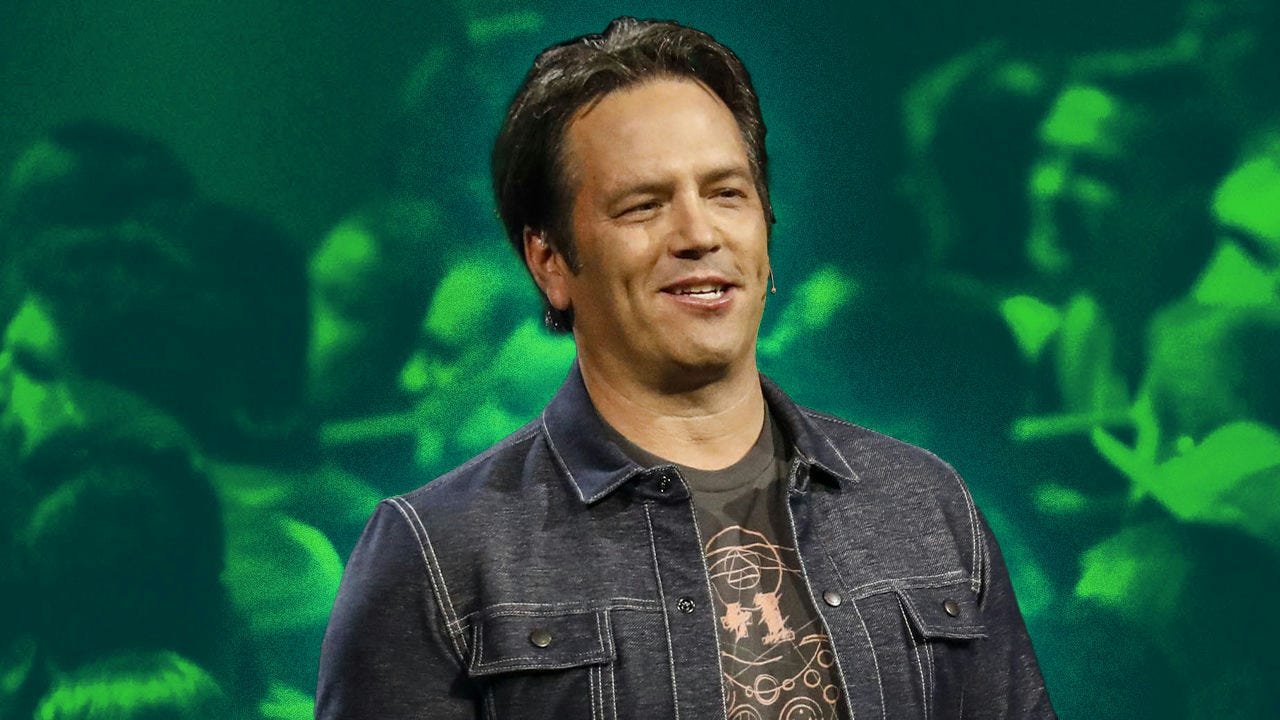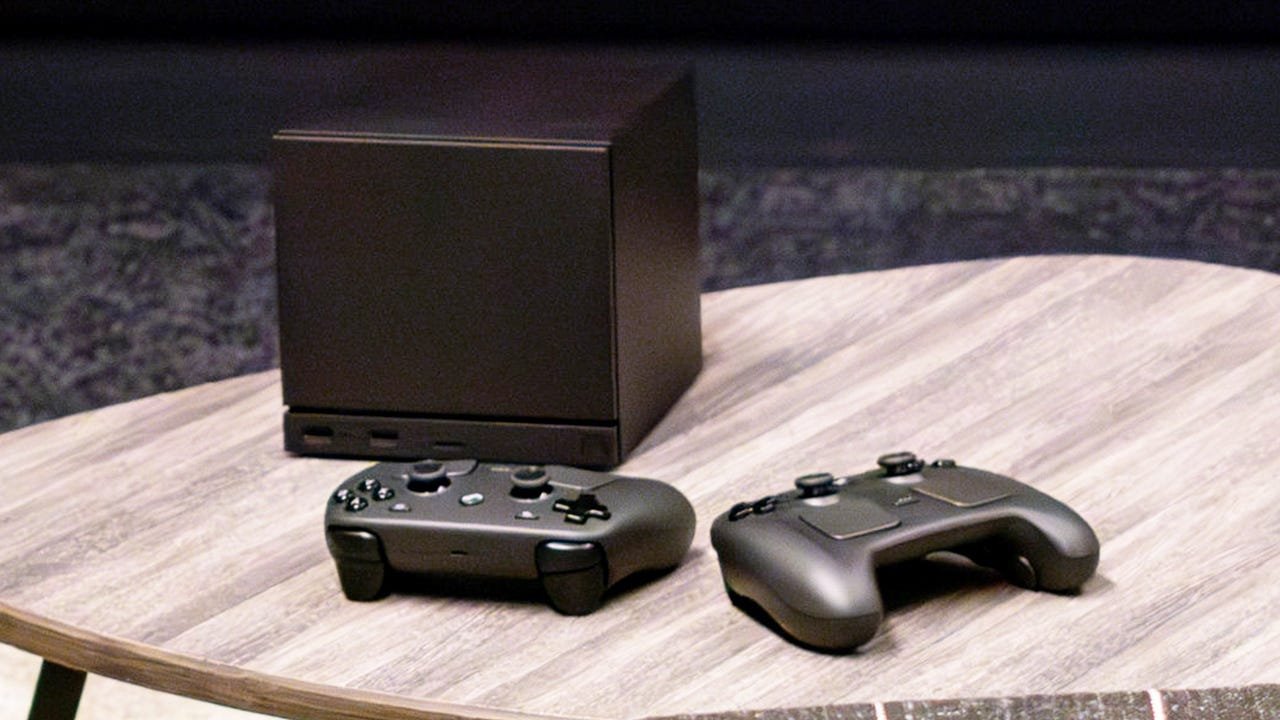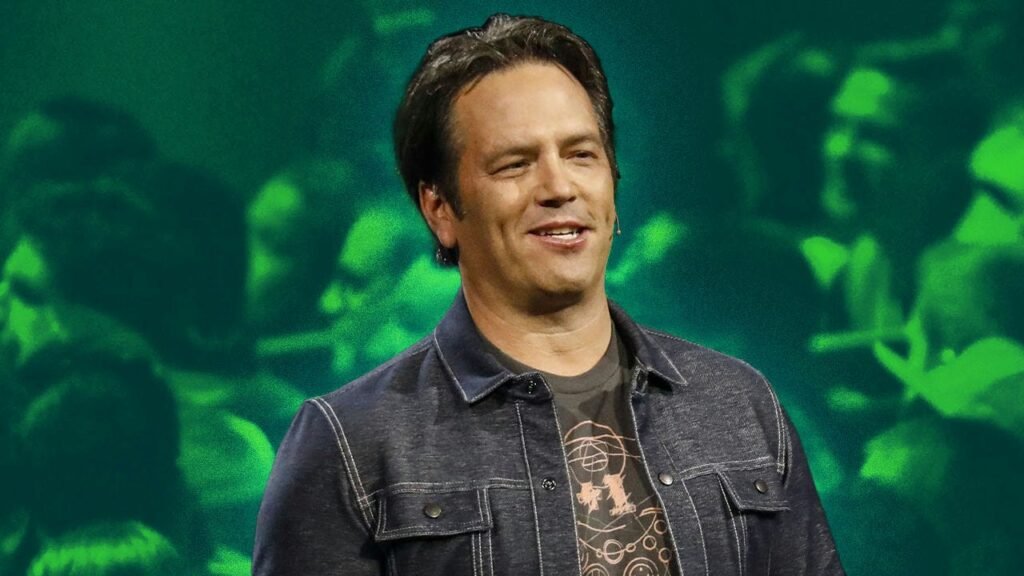
Just a few weeks shy of the 12th anniversary of Phil Spencer being named Head of Xbox, the Microsoft lifer, who has been with Xbox from the very beginning, has retired after 38 years with the company. Sentimentally, it’s a shame that he won’t be around for the Xbox’s 25th anniversary this November, at which I personally expect Microsoft to give the first proper look at its recently confirmed next-gen console/PC hybrid. And so for me, as someone who’s covered Xbox for 24 of those 25 years, I can’t help but look back on his time running the show and wonder: is Xbox better off now than when he took over? It’s a complicated question, and the answer depends on who you ask.
If you ask Microsoft shareholders, for instance, the answer would be an unequivocal YES in all-caps. Microsoft’s stock price closed at $33.57 on March 28, 2014, the business day before Spencer’s promotion was announced. On the day before I broke the news of his retirement a couple weeks ago, the company’s share price closed at $398.46, a literal order of magnitude higher than it was when Spencer was given the mantle. Is gaming solely responsible for that massive value increase? Of course not; it’s a part of a much larger tech monolith that produces Windows, Office, and Azure. But to anyone purely fixated on Microsoft’s share price, gaming is a part of that, and so those folks are no doubt thrilled with Spencer’s run.
If you ask hardcore gamers, however, the answer might largely be no – particularly when accounting for recency bias. Viewed through the lens of the die-hard player, the last few years have not been good for Xbox – or at the very least, the perception of it. Microsoft has all but abandoned exclusives; the price of Xbox Game Pass – once popularly lauded as “the best value in gaming” – has increased three years in a row, now topping out at $30 per month for day-one access to all new releases; and the price of the Xbox Series consoles went up twice in the past year, resulting in a $400 Series S and a $600 Series X. Not to mention multiple waves of layoffs, project cancellations, and studio closures. It looks pretty bad, for sure.
I think Phil Spencer’s legacy ultimately lands somewhere between the perspective of the diamond-handed Microsoft shareholder who’s seen their investment 10x over the past 12 years and that of the doom-and-gloom hardcore gamer who deems the Xbox to be dead. In the end, though, I think he was a net positive for Xbox. And before you head straight to the comments, let me explain.
Back from the Brink
If you’re too young to really remember or it’s just been a long time, let me take you back to one year before the Xbox One was revealed. In Spring of 2012, things were pretty awesome for Xbox. The Xbox 360 was still cruising, even as it started to put its seatbacks and tray tables in their full upright and locked positions to begin smoothly landing a console generation that went better than anyone at Microsoft could’ve ever possibly dreamed. Xbox’s core-four first-party franchises were killing it: Halo 3: ODST was a remarkable standalone spinoff in 2009, and then Bungie said goodbye to Halo with the beloved prequel, Halo Reach, in 2010. Epic Games wrapped up the Xbox 360’s biggest new exclusive franchise’s first trilogy with Gears of War 3 in 2011, and it was arguably the best Gears yet. Fable 3 hit in the Fall of 2010, seemingly indicating that Fable was here to stay. And Forza was flying around the proverbial track, as Forza Motorsport 4 arguably surpassed the mighty Gran Turismo as the best simulation racing series in the world in 2011, with the open-world Forza Horizon spinoff series set to launch later in 2012 and Forza Motorsport 5 being readied as the Xbox One’s day-one killer app. Not to mention that plenty of great games were still on the way before Project Durango (aka the Xbox One) was scheduled to arrive, from exclusives like Halo 4 and Gears of War Judgment to third-party powerhouses like BioShock Infinite and Grand Theft Auto 5.
And then, well…you know what happened. Microsoft shot itself in the foot at May 2013’s “TV TV TV!” Xbox One reveal and then lit its own hair on fire by bundling the Kinect 2.0 with its third console – thus putting it into the market at $499, or $100 more than the PlayStation 4. I was in the room at the end of the 2013 Xbox E3 press conference when Spencer announced the price of the new system on stage, and it sucked any and all enthusiasm out of the auditorium. When Sony figuratively punched them in the face with the diabolically effective “How to share games with your friends on PS4” skit at its own press conference less than 48 hours later, in a simple and direct attack on Microsoft’s confusing online policies for the new machine, it was a knockout blow.
The launch that November didn’t go great in the face of all of Microsoft’s unprompted missteps, while at the exact same time, Sony was doing everything right. It was, perhaps ironically, the exact opposite of what happened with the Xbox 360/PS3 generation. And so Don Mattrick, the guy in charge of Xbox at the time – who actually said, out loud, “Fortunately we have a product for people who aren’t able to get some form of connectivity; it’s called Xbox 360” – was out, as were some other Xbox higher-ups, and Phil Spencer was in as the new Head of Xbox. Essentially, he was handed a bowl of Lucky Charms that had been left out in the sun for a few days and told, “Now make it taste good!”
And he tried! He unbundled the Kinect 2.0 from the Xbox One, putting it at price parity with the PS4. He pushed for cross-play and backwards compatibility, both of which are now basically industry standards that undeniably benefit players. He made huge strides in accessibility on both the hardware and software fronts, opening up gaming to more people than ever before. PC support for Xbox games, which for years had been the video game equivalent of Lucy pulling the football away from Charlie Brown every time he went to kick it, was finally normalized.
And then, in a laudable attempt to wipe the slate clean with gamers, he ditched the VCR-like Xbox One, which in fairness hadn’t itself been problematic in the slightest but had become the avatar for a botched generation, and replaced it with the smaller, sleeker, and more powerful Xbox One S. One year later, he launched the world’s first true 4K console, the Xbox One X. Longtime Xbox executive Greg Canessa said on a recent episode of Podcast Unlocked that he believes Xbox might not have survived its lowest moment ever without Phil’s efforts in the first months and years following his appointment.
The 100 Best Xbox Games of All Time
Where Are the Games?
But Spencer wasn’t out of bold ideas yet. Perhaps the biggest initiative of all under Spencer’s watch was Xbox Game Pass. Basically “Netflix but video games”, it launched in 2017, at a time when Xbox had a dearth of first-party games (more on that later). Despite Xbox’s then-growing reputation as a console devoid of great exclusives, Game Pass quickly lived up to its billing as “the best value in gaming.”
Unfortunately, Microsoft didn’t have a steady flow of titles to feed to its new subscription service. Halo languished after Halo 5 couldn’t live up to its phenomenal pre-release marketing campaign; Fable was essentially killed when Microsoft foolishly tried to pivot the series to become a 4v1 multiplayer game called Fable Legends (that was wisely canceled just prior to release), and Epic walked away from Gears of War, selling it Microsoft for $2 billion – a move that was great in theory, but required Microsoft to effectively start from scratch on the series in terms of staffing and development.
To try and fix the first-party games problem, Spencer went on a spending spree. Aside from the aforementioned Gears of War, Microsoft bought another major IP: Minecraft. From there the company tossed a whole bunch more studios in its shopping cart: Playground Games, Undead Labs, Ninja Theory, Obsidian Entertainment, Compulsion Games, inXile Entertainment, and Double Fine Productions. Spencer’s regime also started one studio: The Initiative, which planned to reboot Perfect Dark as a Deus Ex-like spy game.
The Best-Laid Plans…
In 2019, Spencer and the Xbox team took the bold step of announcing Microsoft’s next-gen Xbox at The Game Awards, revealing the monolithic black box alongside a visually stunning sequel to Hellblade. But then the global pandemic threw a wrench into the entire games industry three months later, and that very much included Xbox. Many projects in its rapidly growing portfolio needed to be pushed back, not only because of the unpredictable circumstances of COVID-19, but because each new generation of games brought with it longer, tougher, and more expensive development cycles. Most embarrassing was Halo Infinite, which was planned as a day-one launch title for the Xbox Series X and S, but was nowhere near ready for that moment – particularly after a disastrous first public showing in 2020, just months before its November release. To Spencer and the Xbox leadership team’s credit, they did give Infinite the time it needed in order to live up to the Halo standard, and they brought in Bungie veteran Joseph Staten to shepherd the project to the finish line. The results were excellent, at least out of the gate (Infinite’s growing pains as a live-service multiplayer experience notwithstanding).
But getting back to the bigger picture: Spencer inherited a big mess when he got the top job, and then had Lady Luck turn her back on him with the pandemic. What could he do? Well, he could break out Daddy Microsoft’s fat wallet, and that he did, splashing the cash on ZeniMax Media – which included Bethesda Game Studios, id Software, MachineGames, and Arkane Studios, among others – to the tune of $7.5 billion. Surely this stable of studios known for producing high-quality single-player games – the exact kind Xbox needed – would turn the tide.
Ironically, two of the first games Bethesda published for Microsoft were PlayStation exclusives resulting from a previous deal with Sony: the outstanding Deathloop and the very good Ghostwire Tokyo. When Bethesda finally delivered an Xbox exclusive, it was Redfall, a dud that, in hindsight, Spencer probably should have canceled.
That was followed by Starfield, a very good – perhaps even great – Xbox exclusive from renowned RPG guru Todd Howard and his team at Bethesda that was nevertheless not up to the standard set by The Elder Scrolls and Fallout games. Meanwhile, The Elder Scrolls VI was so far away that it couldn’t even be reasonably factored into Xbox’s short-term plans.
Go Big(ger) or Go Home
In 2022, Spencer – backed by Microsoft CEO Satya Nadella – broke out billions more from the war chest. $69 billion more, in fact. The target was Activision-Blizzard-King, publisher of some of gaming’s biggest franchises, including Call of Duty, Warcraft, Diablo, and Candy Crush. It would be the biggest acquisition in the history of the video game industry…if it received regulatory approval from watchdog agencies around the world.
That proved to be more difficult – and time-consuming – than Spencer and the C-suite at Xbox probably expected. Spencer had to publicly commit to keeping Call of Duty a multiplatform game, as one concession. For another, he had to sell off part of Xbox’s cloud gaming business to Ubisoft. It was a messy, drawn-out affair, and in the end it proved to be the defining moment of the Phil Spencer era of Xbox.
It was arguably a monkey’s paw situation. Xbox got the big games and franchises it lacked, but at the expense of tougher scrutiny from Nadella and Microsoft CFO Amy Hood. Something had to give. Layoffs across the gaming division numbered in the thousands. Perfect Dark got canceled. The Initiative was shuttered. So were other projects. It was ugly.
In the End
No matter what was going on during Spencer’s tenure, big or small, the one thing I absolutely fault him for is his inability to ever get Xbox’s messaging into a consistent proactive mode. Years were wasted by failing to proudly shout out the brand’s strengths and why those strengths were good for gamers. Instead, Team Xbox always seemed to be on its back heels. And when they did start to build a little momentum, it was inevitably always undone by some new blunder, whether it was (more) layoffs, game cancellations, studio closures, price increases, or something else.
That said, I can’t help but go back to Canessa’s quote on Unlocked about Xbox possibly not surviving the Xbox One catastrophe at all without Spencer. We’ll never know if someone else could’ve done a better job, but look what Spencer did accomplish that directly benefits gamers on all platforms today, and not just Xbox players: standardized backwards compatibility, markedly improved accessibility, and cross-play across the board. Those achievements shouldn’t be forgotten.
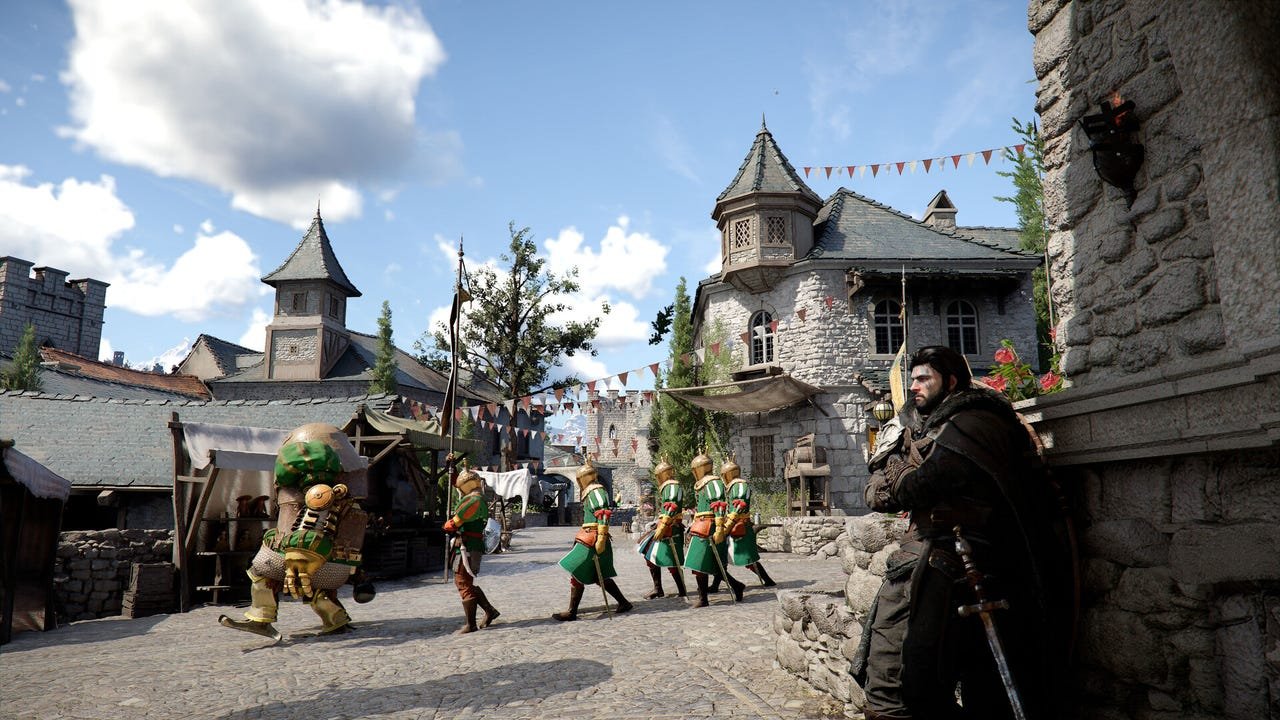
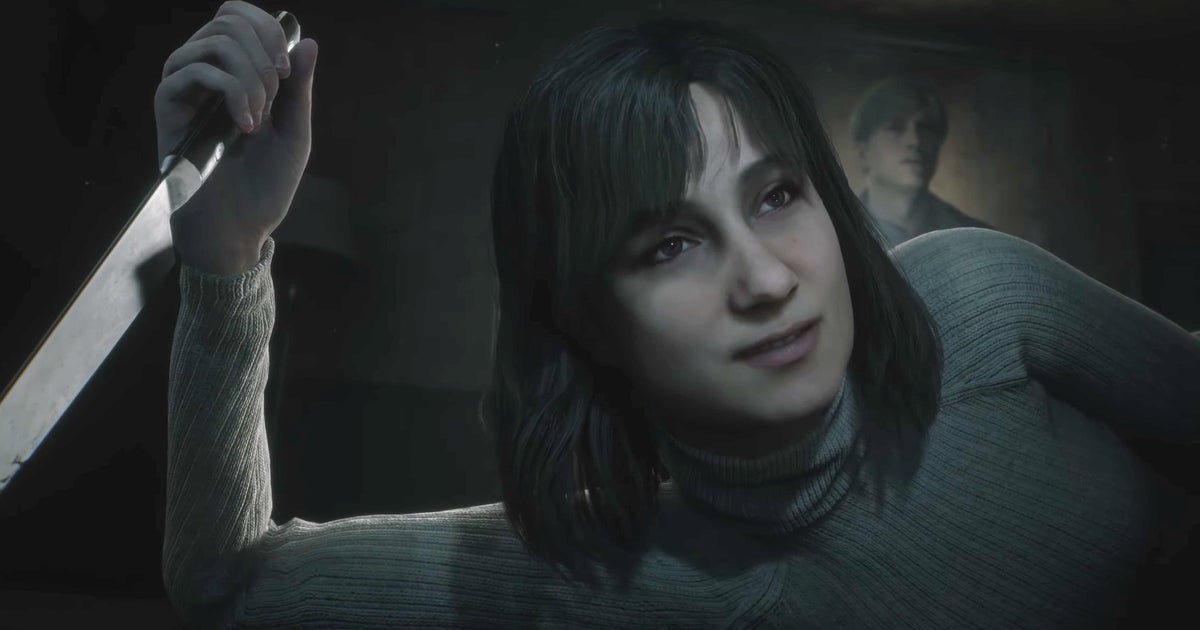
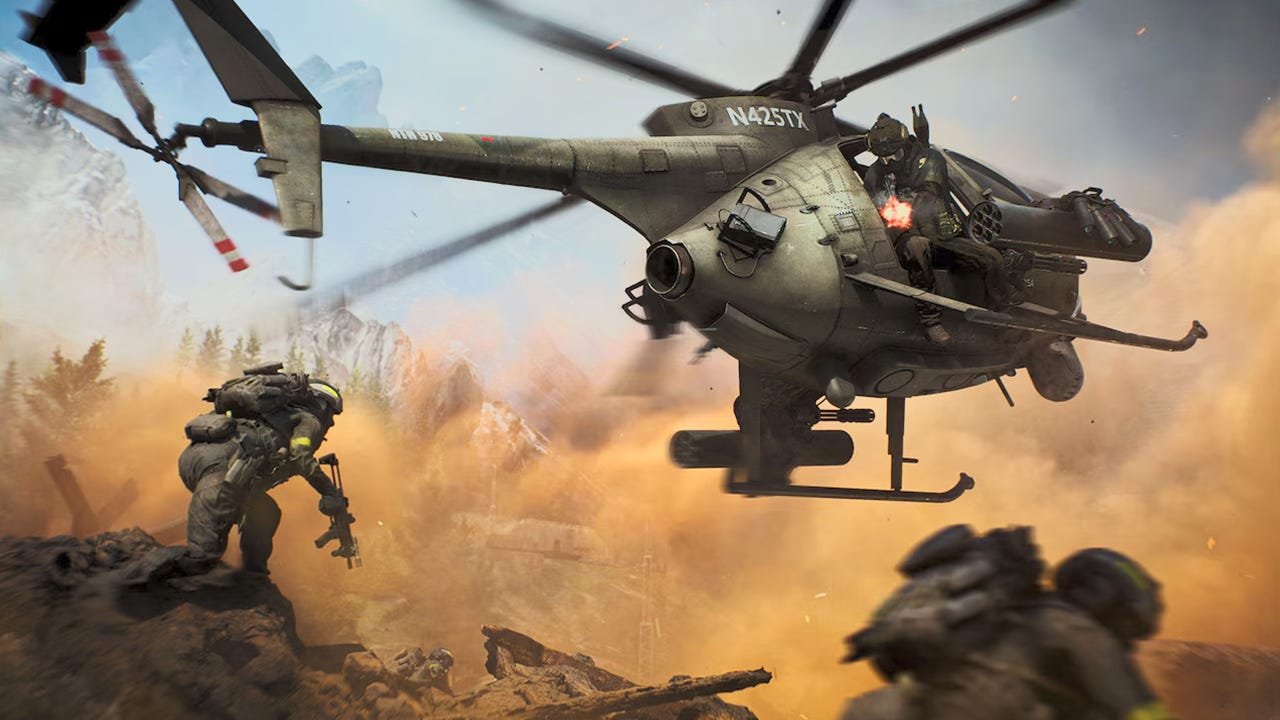
And that’s why I genuinely believe in my heart of hearts that, regardless of how you feel about his reign atop Xbox, that Phil Spencer always had gamers’ best interests in mind during his dozen years running the Xbox business. When you look at the mess he inherited, it seemed, right from the start, that he was Xbox’s Sisyphus, forever cursed to push a boulder uphill. Did I agree with every decision he made? No. Did every move pan out? Certainly not. But look what he’s left us with: great hardware, gamer-first features like backwards compatibility and cross-play, the potential of Xbox Game Pass, a lower-priced way into the Xbox ecosystem via the Xbox Series S, and what is now a massive stable of first-party studios and, yes, finally a steady stream of high-quality first-party games. Here’s a list at what Xbox has shipped in the past 18 months: STALKER 2, Call of Duty: Black Ops 6, Microsoft Flight Simulator 2024, Indiana Jones and the Great Circle, Avowed, South of Midnight, Doom: The Dark Ages, Ninja Gaiden 4, Keeper, Grounded 2, and The Outer Worlds 2 – plus a lineup for this year that has some seriously high potential in Forza Horizon 6, Fable, Gears of War: E-Day, Replaced, and Halo: Campaign Evolved. And at the end of the day, a steady supply of great games is what Xbox owners have always wanted.
Taking all of that into account, I do believe that Phil Spencer was a net positive for Xbox, even if he couldn’t quite get everything firing on all cylinders at the same time. His legacy is, if nothing else, certainly a complicated one.
Ryan McCaffrey is IGN’s executive editor of previews and host of both IGN’s weekly Xbox show, Podcast Unlocked, as well as our semi-retired interview show, IGN Unfiltered. He’s a North Jersey guy, so it’s “Taylor ham,” not “pork roll.” Debate it with him on Twitter at @DMC_Ryan.