
If you don’t know The Seven Deadly Sins series – which, for context, includes over 40 volumes of manga, five seasons of TV, multiple movies, and a handful of other games (and that’s before I get into the spin-offs) – then The Seven Deadly Sins: Origin might seem like just another gacha game you can easily skip. However, despite such a sizable backlog of source material, this sprawling adventure is a lot more beginner-friendly than you may expect. And, after spending around 20 hours trawling through its secret-littered map, interacting with its inhabitants, and fighting off a sinister blight, it still feels like I’m only skimming the surface. And what I’ve seen so far has made me keen to search every nook and cranny of this arresting fantasy setting.
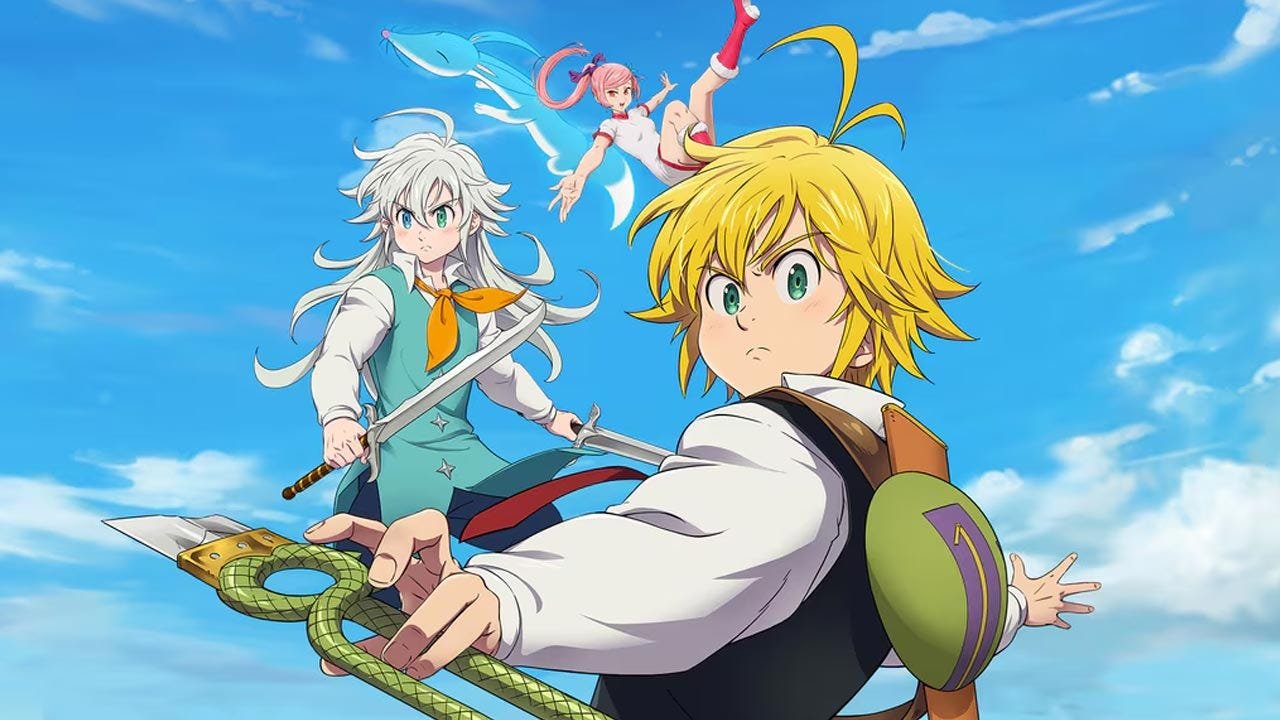
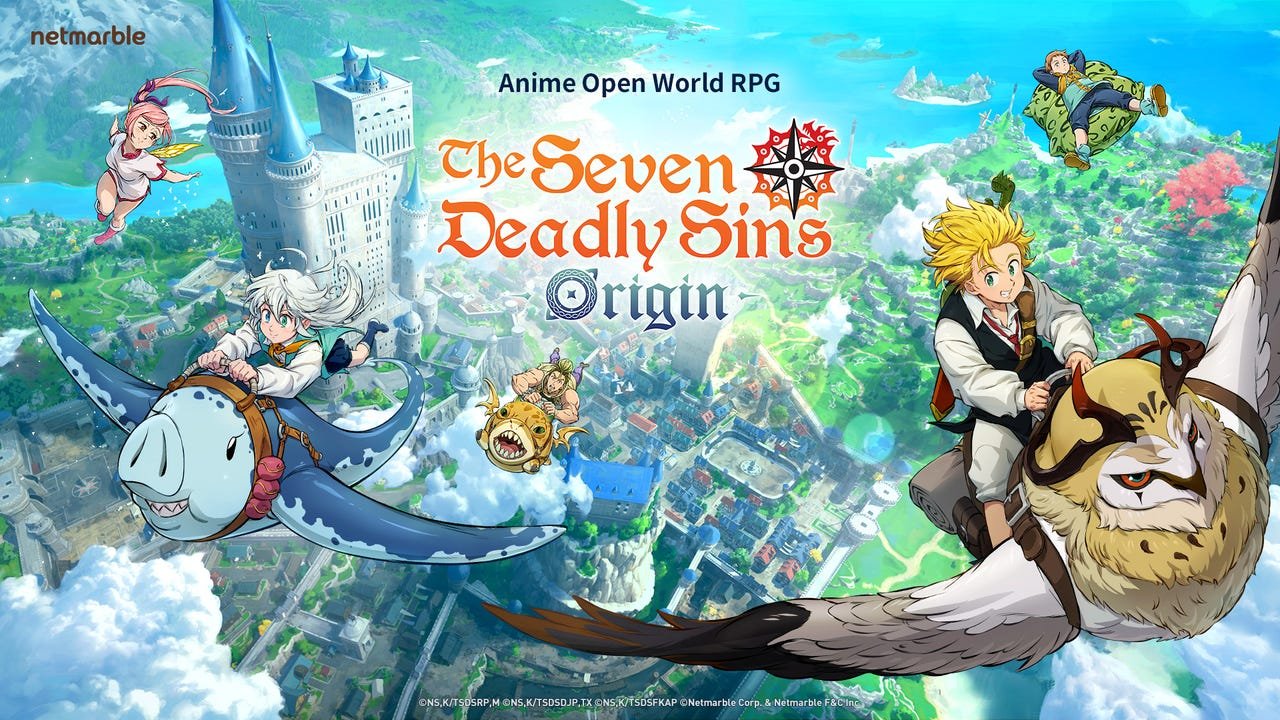
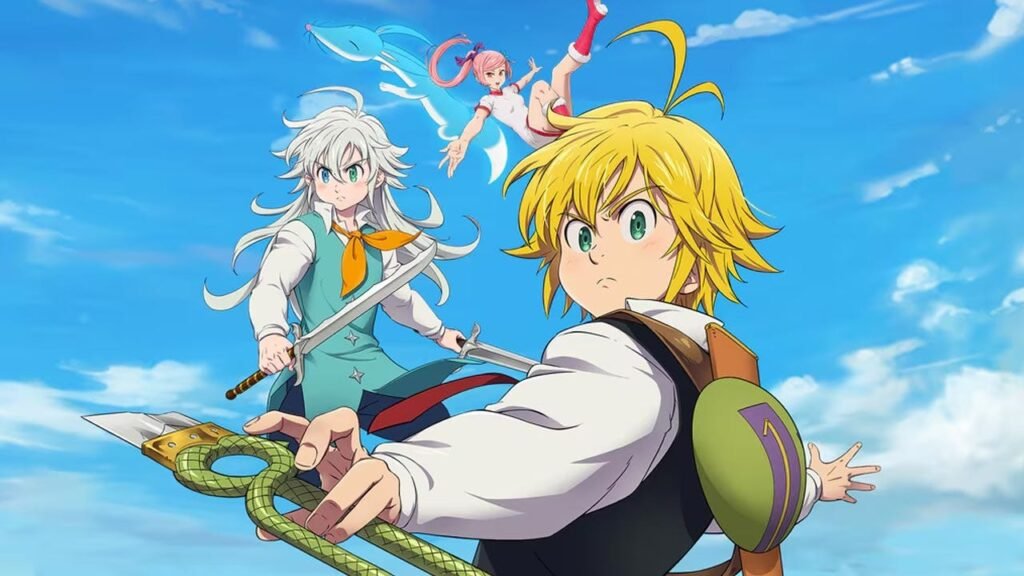
Set in the Kingdom of Britannia (no relation), The Seven Deadly Sins: Origin centres on Prince Tristan of Liones and Tioreh, the children of key figures from the original show and manga. One day, the duo uncover a dangerous cavern that, in addition to serving as a handy tutorial area, causes the world around them to shift. With extratemporal events popping up all over the place and a strange, nefarious goop infecting the realm, your job is to tie up as many loose threads as you can to try and get the realm back on track, one perspective puzzle or combat encounter at a time. As a fan of the anime who has since lost their spark for the series, this clever twist on the lore reminded me of what I loved about Seven Deadly Sins to begin with: Its loveable range of characters pulling off stylish moves across a charming fantasy backdrop.
Origin is an open-world RPG that puts you right in the mind of an anime protagonist, in the sense that it will likely take you multiple TV seasons’ worth of hours to complete the main questline and finally save the day, though that’s not necessarily a bad thing in the world of gacha games. It can be incredibly difficult to stay on task when every hill you crest or body of water you cross, reveals more peculiar points of interest to poke your sword at. In Britannia, friendly citizens are cooped up amongst nests of evil-doers, treasure chests are hidden atop towering walls, and there’s a chance that if you just keep pushing, there’ll be even more to contend with. It’s a sticky gameplay loop that’s just challenging enough to keep you interested, but simple enough not to make you break a sweat.
It helps that you unlock all the essential movement tools early on. Within the opening hours, you’ll learn to climb and swim, as well as use a Da Vinci-esque wooden glider to whizz through the sky. These skills arrive with a stamina bar to consider, so there is some much-needed resistance to bristle against as you set your sights higher and further afield. There is one more addition to your movement skills, too, and that’s a pig-steed that fans of the show will recognise as the loyal garbage-eating scamp, Hawk.
As you stretch your legs across the map, you’ll also uncover glowing Warp Points that reveal this map’s busy topology and allow you to jump between those locations as you please. As if the promise of monsters wasn’t enough, the additional goalposts prompted me to get creative, sneaking past fiends or flying across peaks from above to reveal more of the world. (Shoutout to all the Breath of the Wild sickos out there who opted to unlock every Sheikah Tower before doing the main story…) I didn’t have total free reign, of course, and so far some areas appear to be blocked by progression gates, to my chagrin. Nevertheless, it was rewarding to find that developer Netmarble was keen to let me push my luck and see what kind of chaos I could sow across Britannia.
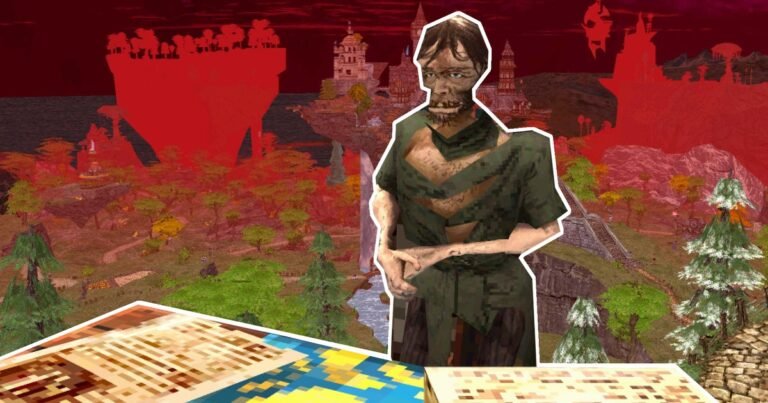
The striking design of the world makes a difference, too, with key locations like the castle grounds of The Kingdom of Lionel and the pastoral glades that surround it reimagined carefully for this interactive setting. Yet, while the vistas seem picture-perfect from afar, some textures, like rock formations, appear murky up close – a familiar feature of Netmarble’s gacha games. It’s nothing you can’t look past if you refocus on the lively atmosphere and spirited orchestration. Still, there are some visual inconsistencies here, and I’ll be keen to see how environments in the late game hold up with this in mind.
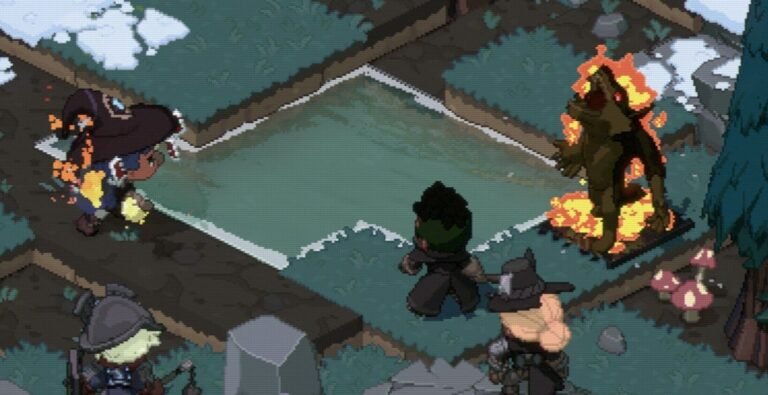
Perhaps the most compelling aspect of Origin so far, though, is the combat. On top of a jump, dash, and dodge, each character has a normal attack, a special attack, and a skill attack, with the latter two dealing more damage but requiring you to wait for them to cool down before triggering them again. On top of that, each hero also wields a unique Ultimate Move whose heightened damage arrives courtesy of well-animated character-dependent sequences – I’m still not sick of seeing Prince Tristan brandish his sword with volcanic intent. It’s bright and flashy in motion, yet left approachable thanks to a simplistic control scheme, with elemental attacks and a range of boss battles still to come that will certainly expand encounter variety.
There is one hiccup, though, and it’s the enemies. They aren’t nearly as reactive as you may hope, operating more like pre-programmed sentinels than living, breathing bad guys. Say you’re strolling down a hill and get spotted by a towering stone golem. Well, once they see you, they’ll chase you within their designated zone of operation and wallop away until the screen turns black. I was by no means expecting the intricate combat of a series like God of War here, but I still would have preferred more cohesive fights that took advantage of Origin’s unique aspects – like Monster Hunter’s part-breaking brawls – to really differentiate it from every other character action gacha game out there.
This issue isn’t helped by the ebb and flow of the world around you, which seems to operate on a strange timer, with wildlife like bunnies scratching their ears and moving in haunting synchronisation. As with the textural issues, Origin seems brilliant in motion but lacks the technical polish to feel like a seamless experience overall – particularly when you slow down to take in the medieval atmosphere.
At first, your team consists only of Tristan and Tioreh, though it soon grows to include up to four members thanks to the looming gacha systems that hand you additional characters. You’ll eventually earn a currency called Star Memory, which can be handed over to pull random gear and team members. It’s a recognisable loop that doesn’t stray far from the norm in pricing or style, and despite the familiarity and my own affinity for the genre, it still stings to glance at the Shop tab and see the convoluted considerations ahead.
It’s still too early to tell how well The Seven Deadly Sins: Origin is balanced overall or when the inevitable progress wall that can be eased by real money will arrive, especially when working through the siloed pre-release build we were given access to. I’ll be sure to get into the weeds of those topics when I complete my full review, but at least for now, I’m having a nice enough time revising the series, amid some obvious trepidation, of course.