The Chinese Room has managed to make something from a box of inherited parts, but this action RPG feels hollow and functional, and is only redeemed by some stellar performances from the characters and cast.
Sadly, it hasn’t worked out. We already knew this follow-up to 2004’s scruffy but well-loved Vampire: The Masquerade – Bloodlines wouldn’t be a role-playing game in the same way. We knew that developer The Chinese Room, which inherited the troubled project from Hardsuit Labs, had repurposed Bloodlines 2 into something more resembling an action game – an action RPG specifically. Expectations were tempered. That’s okay, ideas change. But Bloodlines 2 isn’t much of an action game either, or a stealth game, or an immersive sim or whatever it tries to be. It feels caught in the middle of ideas and unsure of what it is, and in the end feels like nothing much at all because of it.
A lot of Bloodlines 2’s problems begin, paradoxically, as the game’s strengths. Hardsuit Labs’ original ‘you are a recently turned, thin-blood vampire who needs to grow in power’ story has been replaced by The Chinese Room with an idea where, instead, you start the game as a powerful Elder vampire, awakened from a 100-year sleep. Immediately you’re incredibly capable. You can send a mortal person flying through the air with one punch. You can scuttle up the side of a building like a spider and dash with intense bursts of speed. You can leap great distances and even float, a little like flying, through the air. And when you combine these things you will feel like the super-powered terror that Bloodlines 2 wants you to be. You are the apex predator of the game from the moment you begin, and it’s an exhilarating feeling to have.
But it doesn’t develop. This is an action RPG with barely any character development (or even customisation) in it. You have four abilities you can use, tied to the clan you belong to, and you will unlock all of them within a couple of hours of play. And that’s it – you won’t get any more powerful after that. Powers don’t evolve or change. You can, if you like, unlock powers from other clans, but this won’t increase your overall power or offer more abilities to use in combat. It only offers variation and the potential to mix which four abilities you use, which might lead to finding a new combination you prefer, but it didn’t for me. I ended up using more or less my default abilities for the entirety of the 25-hour game. This, coupled with there being no loot or equipment in the game, makes character development feel thin to the point of nonexistent. Action RPGs are power fantasies. The mechanical driving force of the game is to grow more powerful as you go through, to deliberate over character builds, but there’s nothing like that here.
The knock-on effect is the desire to do things like side quests, which reward the points you need to unlock other clan’s powers, soon drains away from the game. Though to call them side quests at all makes them sound more robust and interesting than they are. Really, they’re fetch quests, in Bloodlines 2, either literal or thinly disguised, involving assassinating nondescript people or groups, or retrieving parcels. There’s no actual story to them, or narrative worth. The only thing these quests have going for them is the quest givers, the leaders of vampire clans, who are actually worth meeting for their characterisation alone. They’re voiced wonderfully and often have unexpected perspectives or things to say. You can even chat them up and have naughty rendezvous with them, if you play the situations right, but these are disappointingly realised as black screens with a tiny bit of dialogue (and some spitting and slapping noises, depending on who you rendezvous with). But as delightful as they can be to chat with, the lack of a meaningful reward for their turgid tasks, and no apparent relationship development, means you’ll probably stop visiting them. And these are the only side quests in the game.
Thankfully the main story is okay; it rounds out nicely and pulls a couple of perhaps predictable surprises, but they are surprises nonetheless. Though I will say there are a number of one-use characters who feel like plot devices through the game, who come out of nowhere and then return to nowhere after you’ve dealt with them. You’re meant to care about them, or to care about what they’re talking about, but without them having put down narrative roots in the game beforehand means it’s very hard to.
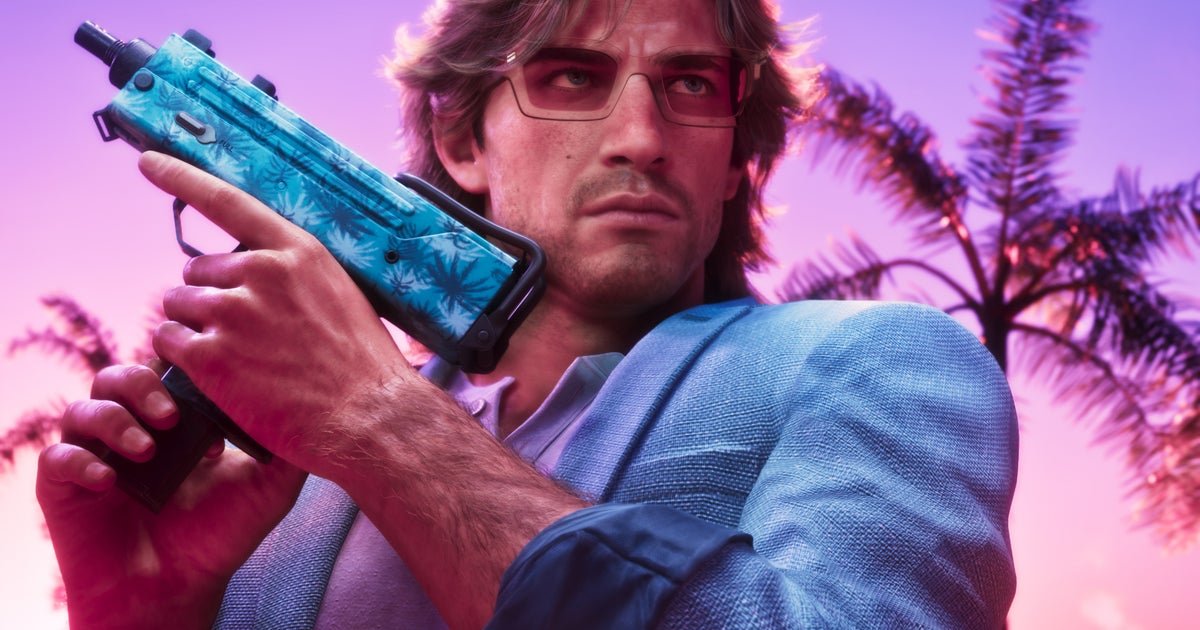
The chief conceit of the story is a supernatural snafu: something happened during your Elder vampire’s reawakening that meant your head became occupied with the consciousness of another vampire – a police detective called Fabien – and you’ve now got a mark on your hand that seems to leash or restrict you. Fabien is a noir detective beat cop to a tee, so much so he narrates everything that happens in the style of a noir detective beat cop, which is silly but also funny, and levity is a precious thing in a world pitched as morosely as this one. There’s actually a surprising amount of humour pulsing through the veins of the game, and it’s used with a deft touch and makes conversations more enjoyable because of it.

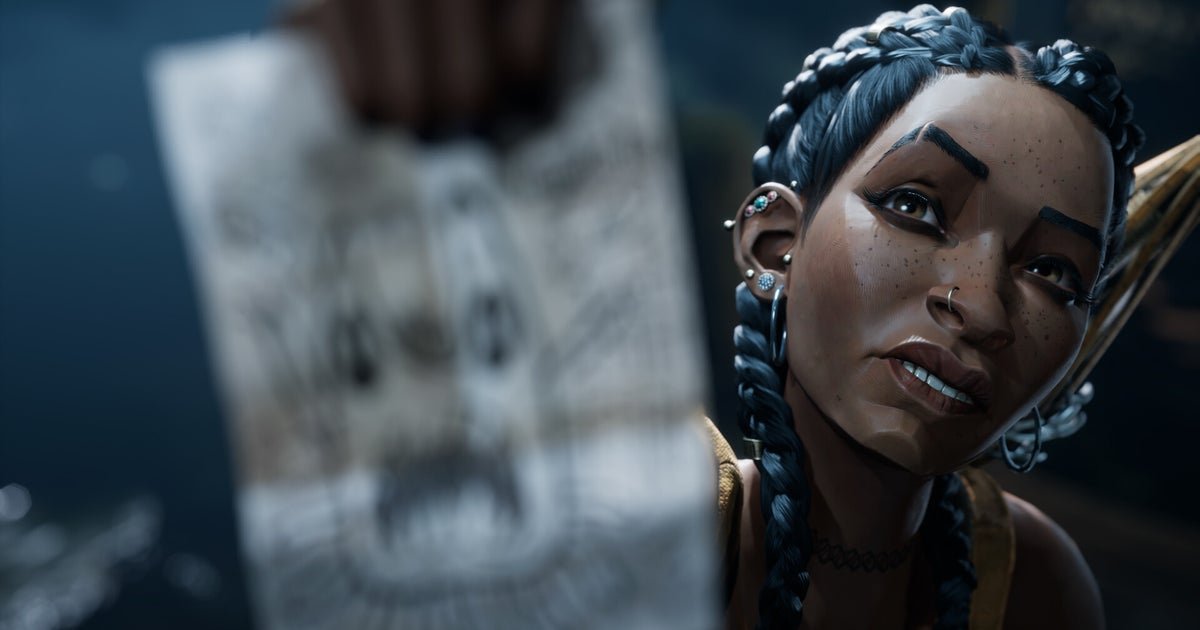
The characters are an amusing bunch to talk to, and well performed, and the environments are frequently beautiful, in a dirty, sullen kind of way.
Fabien’s constant presence fills what would otherwise be silence in the game, and this warms the experience enormously, also providing you with something like a built-in tour guide who gives context to everything going on around you. You, after all, are not from this time and place. I was particularly fond of the debriefs you and Fabien have in your head each morning before bed, and the way these recapped and reframed events that had been occurring. These help bring a thoughtful side to an experience that’s otherwise concerned with beating people up and snapping or biting their necks. Fabien gives you something to think about. He also provides the game with some much needed structural variation, because you’ll play as him between each major chunk of the story, in a memory-style interlude.
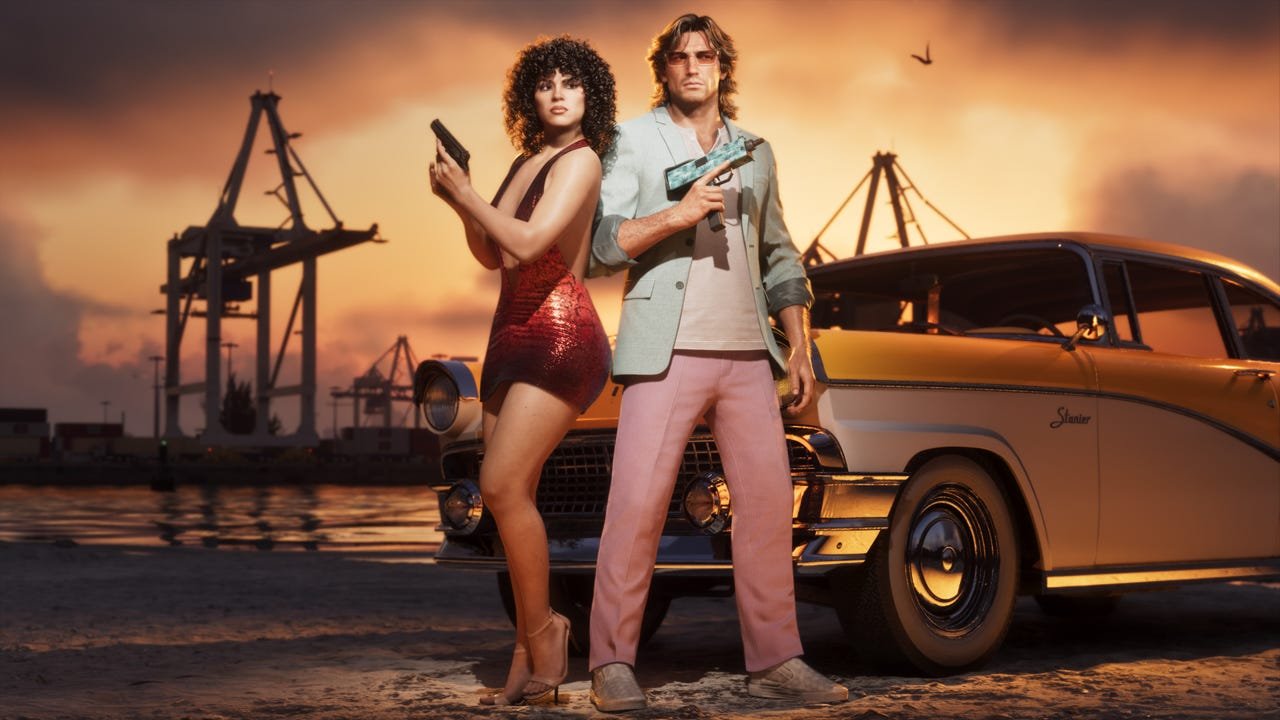
What I like about you effectively being two characters in the game is that one is allowed to dramatically contrast the other. In Phyre, which is the awful nickname of the Elder vampire you play as, you have the powerful killer who’s all about action. Whereas in Fabien, you have the opposite: someone who doesn’t fight but someone who achieves their end through talking and through thought. And Fabien being a vampire means he has powers to help with this – in this case the ability to read and affect people’s minds. You can make people believe you’re someone else and so divulge their secrets; you can search their head for memories and then re-question them after some grey matter spelunking; and you can convince them to do things they otherwise wouldn’t. They’re interesting ideas, though they are, like so much else in the game, stunted – they don’t develop and their use is overtly telegraphed. There’s only ever one power you can use for a solution and you won’t be allowed to try the others. Fabien will even clue you into what to do. It’s almost impossible to get something wrong.
Nevertheless, through Fabien you get a chance to see and experience the world and characters from a different perspective, which works well, and when you jump back in time even further, from the present day to 1920s Seattle – dressed as it is in all the glitz and glamor associated with the Roaring Twenties – it’s even better. It’s only a shame this sepia-coloured era isn’t used more than for a few enclosed scenes. What I wouldn’t have given to get away from the unchanging chunk of Seattle that the game overuses more often.
Fabien’s presence lifts the experience, then. Ronan Summer’s voice work is the stand-out performance of the game, especially when you use Fabien’s powers to animate furniture and talk to a horny filing cabinet, say, all of which Summer provides the voices for. And the performance work across the game is a high point, so that’s no small compliment. From the stinging rebukes of old lady Mrs Thorn (Bethan Dixon Cate) to the wisecracking sarcasm of the nosferatu Tolly (David Menkin), the characters are almost all performed brilliantly. They’re a real strength of the game, though why some of these excellent secondary characters stand apart from the main story, locked in place at their static locations, I don’t know. It’s a shame not to use them more.
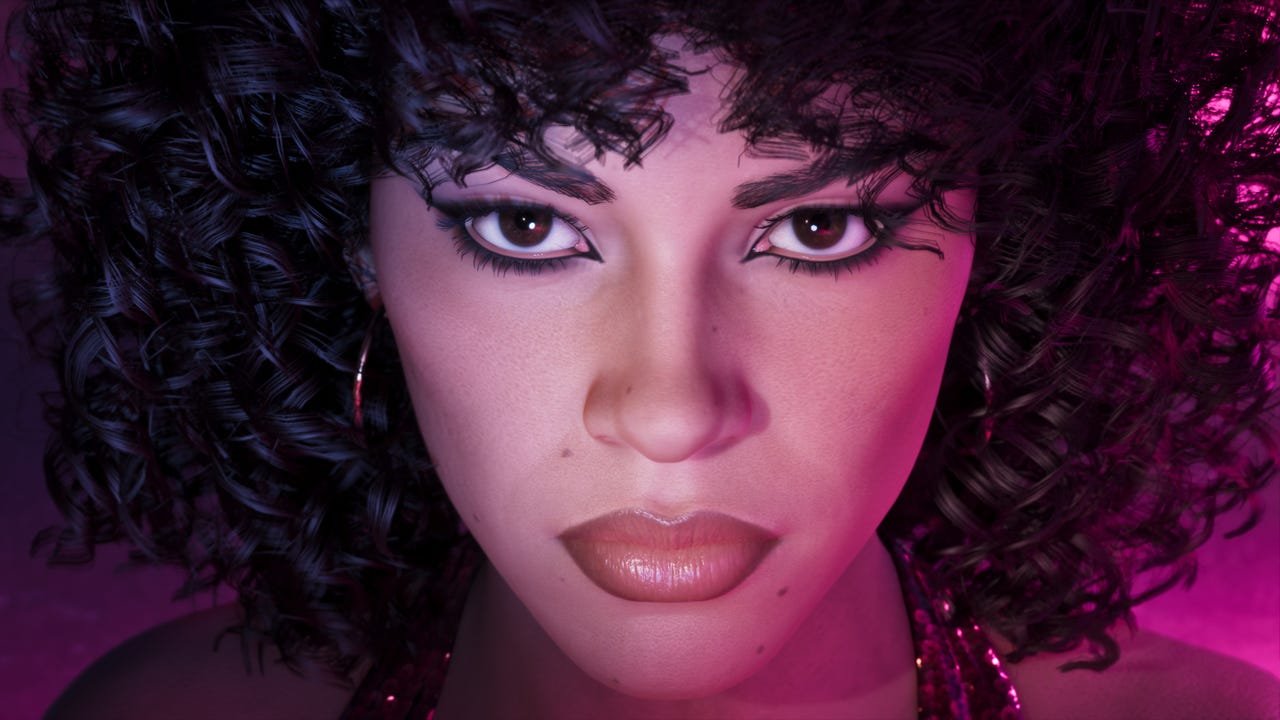
It’s better with the primary characters, and all through your adventure, Bloodlines 2 lets you know that your dialogue choices are having an effect on them. “Lou appreciates that” or “Lou loves that” or “Lou is annoyed by that”, it will say – Lou being a very central figure in the game. The suggestion is that your actions are building to something, some relationship or kind of favour or reward. But there doesn’t seem to be anything you actually earn here beyond the occasional superfluous remark, which feels like a letdown – not least because the way the game handles dialogue choices is one of the more interesting things about it. There being no quick-save or manual-save means you can’t easily reload and redo conversations again, so you’re under pressure to get it right the first time – and I like that, it makes me nervous. Conversations with important people were some of the only times I really deliberated about what I was doing in the game, because I didn’t want to mess things up. But by the end of the game this deliberation seemed to be for nothing. People I’d spent hours cultivating relationships with became no more than bullet-points in an epilogue, and were nowhere to be seen during the finale.


Beyond relationships, there is an allusion to more significant game-shaping choices as you venture through Bloodlines 2. There are factions and figureheads that you can side with, and there are loaded conversations that will ask you what you’re going to do once all this mess is taken care of, say. And these moments do seem to be referenced by the epilogue at the end of the game. But I was still left with a feeling of little actual agency, of seeing little actual pay-off for the ways in which I thought I’d affected the game, beyond simply killing lots of things. It felt a little like the game was on its own journey regardless of my input. I can’t easily go back and check this because I couldn’t save the game at key decision points, though my hunch is that it won’t change much whatever you choose to do.
This brings us to the action part of the game, which is really the game’s main focus. As I’ve mentioned, you’re already inherently very physically capable, but you also have special powers you can use in combat related to the clan you belong to. I joined the Ventrue clan so I could do incredible things like possess groups of enemies and make them fight each other, or if I combined powers right, magically snap the necks of an entire group of enemies without even touching them, which was tremendously satisfying to do. But powers aren’t always usable. They require you to feed and drink people’s blood to enable them, which means you’ll do a lot of fighting without them, which isn’t much fun. Mostly it’s a hand-to-hand slog because, whereas you can defeat a civilian in one punch, you can’t defeat vampire enemies as easily, especially the ones you’ll fight later on. Cue many scruffy dances where you’ll dash and mash, and frantically try to drink blood to heal yourself, until they all die or you do.
There is some nuance here. You can combine dashes and strikes to perform roundhouses and dropkicks and flying knees, which feel skillful to pull off. You can also telekinetically grab dropped guns and command them to shoot in short bursts, or telekinetically grab melee weapons and hurl them, all of which comes with a nice, clawed, grasping animation. Throwing a gun in someone’s face after shooting them is a nice touch – I’m a fan. But doing these things is fiddly in the thick of combat and often results in grabbing a bottle, or even a body part, that’s not very effective (in a damage sense) at all. Incidentally, you can also grab people but you can’t pull them very far. Sometimes it’s enough to pull them over the lip of a roof, though. Why Bloodlines 2 doesn’t allow you to actually equip swords or fallen weaponry is a mystery to me though. Thematically I know it’s because you’re an Elder vampire and you don’t want to sully yourself with mortal weaponry, but ruling these out means the game gives you no new tools to deal with more difficult situations as it goes on, which action games are very fond of doing, usually. So you have your four powers and your increasingly ineffective fists and that’s it. It gets a bit dull.


But occasionally combat clicks, usually when a stealth approach is used. There are moments where you will be darting around a battlefield in the dark – leaping down on enemies and snapping their necks, or sinking your fangs into them – before retreating to the shadows again and unleashing your powered-up abilities. At times like these, Bloodlines 2 is the vampire fantasy I’m looking for. I feel a bit like Batman at the docks in Batman Begins. But too often it descends into a melee pile-on that you’re caught in the middle of, in which you’ll be batted about like a pinata and unable to find your rhythm. It’s annoying. And when deadlier enemies come in later – which are a blessed relief from one recycled group of enemies used early on – the punishment is harsher and it’s more annoying.
There’s a rigidity in approach and, worse, a sense of hollowness that’s everywhere here. This is a game-world that doesn’t move, that doesn’t live. Take the clubbers who you find in Silky’s biker club: it’s always the same people there night after night, and you can’t interact with them, just as you can’t interact with most of the world. It’s like walking through a set with cardboard people in. The few civilians you see around the streets – a grungey collection of sex workers and homeless people, plus the occasional lovers and business people – have at most a sentence to say. Most buildings are locked and the few that are open, pretty though they may be, usually only have one interactable NPC. This is not a game about nosing around and finding unexpected things. It’s a game about going where you’re told, when you’re told. Even when gunfights occur on rooftops above people’s heads, people down below don’t react. It’s as dead as some of the inhabitants in it, and it’s a real problem when you’re asked to repeatedly run back and forth across it. Bloodlines 2 does perk up considerably in the second half, when you go underneath the city to discover its hidden, secretive depths, and when it provides some interesting and attractive changes of location, but they’re only ever pretty corridors you’ll never revisit.
When Bloodlines 2 plays to The Chinese Room’s strengths – this is a studio known for atmospheric exploration games like Still Wakes the Deep and Amnesia and Everybody’s Gone to the Rapture – there are moments to enjoy. This isn’t a game without redeeming qualities. As I’ve said, the characters and some of their writing are frequently enjoyable. But everywhere else there are shortcomings, and too many of them. I wholeheartedly support a move towards focusing on action rather than interactivity and RPG systems, but that only works if the action makes up for it – if the action is killer. If the action also feels limp and thinly detailed, you end up with nothing much at all. The Chinese Room should be congratulated for making something of this at all, but it feels like a game that’s been stitched together for the sake of getting it done – so everyone, including perhaps us, can move on.
A copy of Vampire: The Masquerade – Bloodlines 2 was provided for review by Paradox.