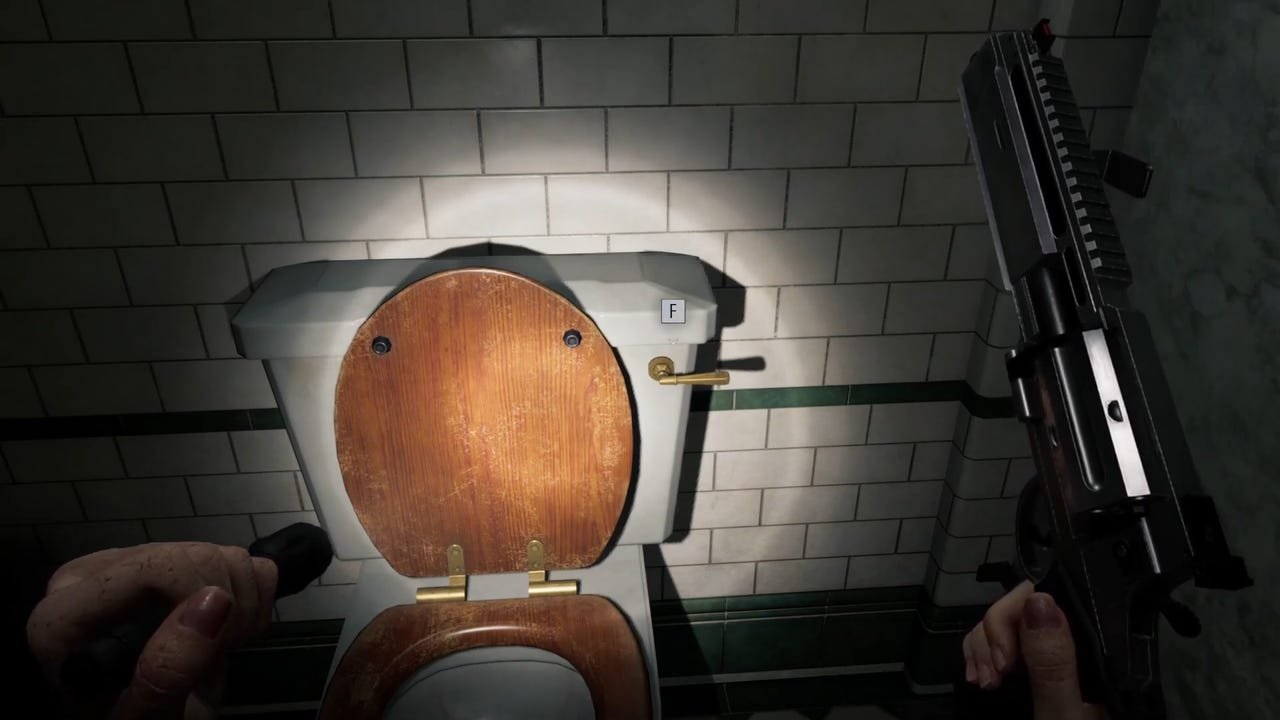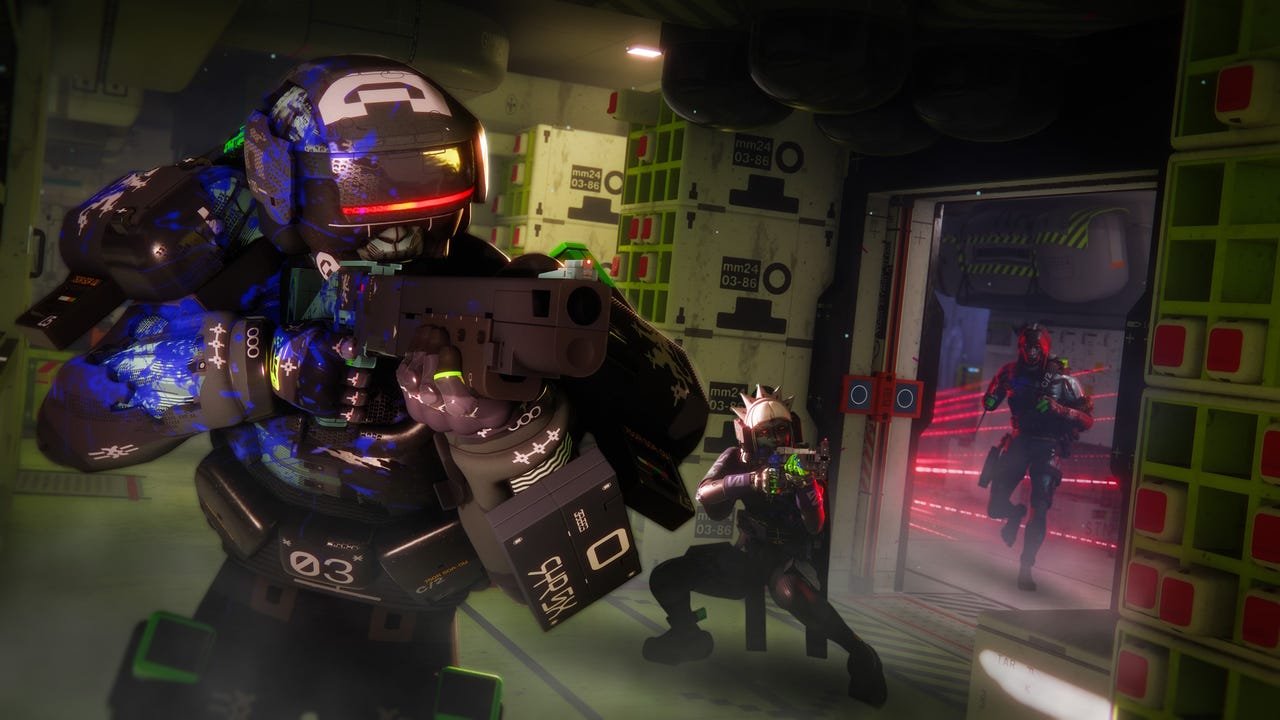
Supertrick Games, the developer of Let it Die sequel Inferno, which launches today, has issued a statement on the game’s AI use following controversy from earlier in the week.
The controversy surrounded Let it Die: Inferno’s AI disclosure on Steam, which suggested substantial use of generative AI during development, across art, music, and voice, but it did not specify in detail exactly how AI had been used. The statement issued in response to the reaction provides that detail, and in general, the game’s AI use seems less than suspected.
For example, the game does use generative AI to create the voices of two characters, but these characters are an AI-driven machine and a “mysterious life form”, so the AI-generated voices were a deliberate, creative choice to fit the character, rather than a cost-cutting exercise.
“These specific cases use AI-generated voices intentionally to match the nature of the characters,” the statement read. “These voices are not derived from or modeled after any human performers, ensuring no copyright concerns.” Otherwise, “All in-game characters are voiced by human performers.”
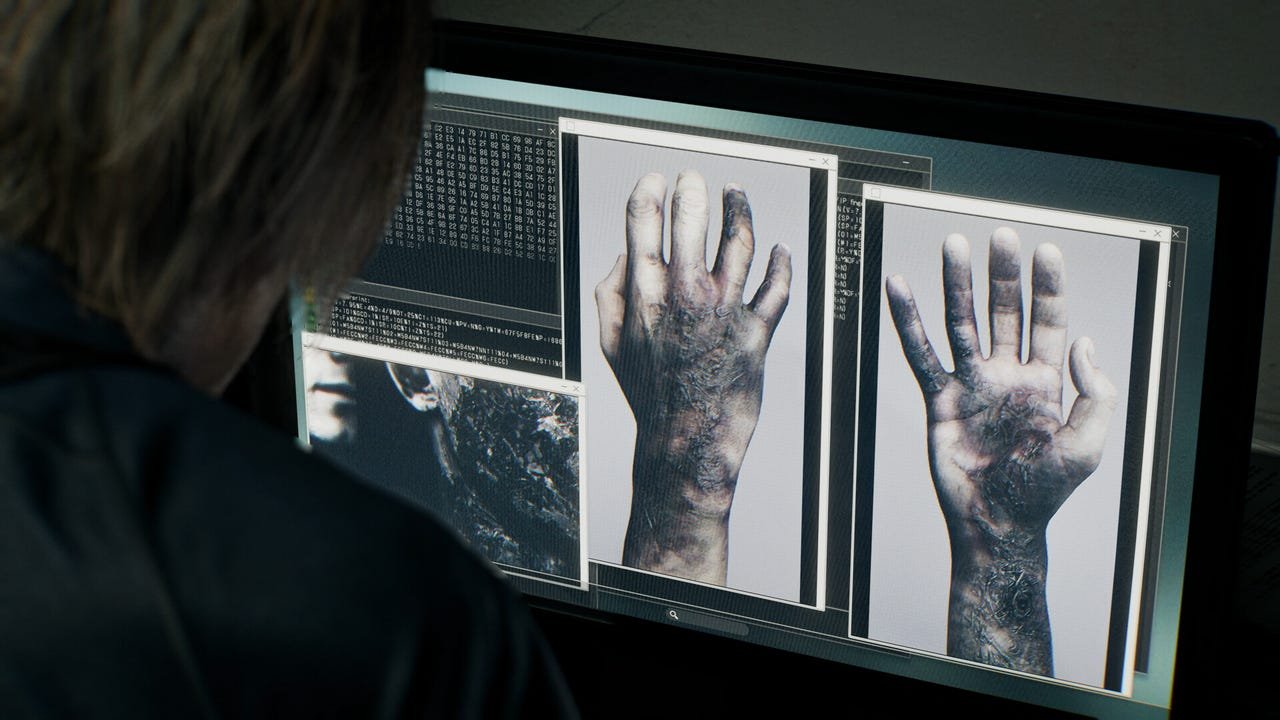
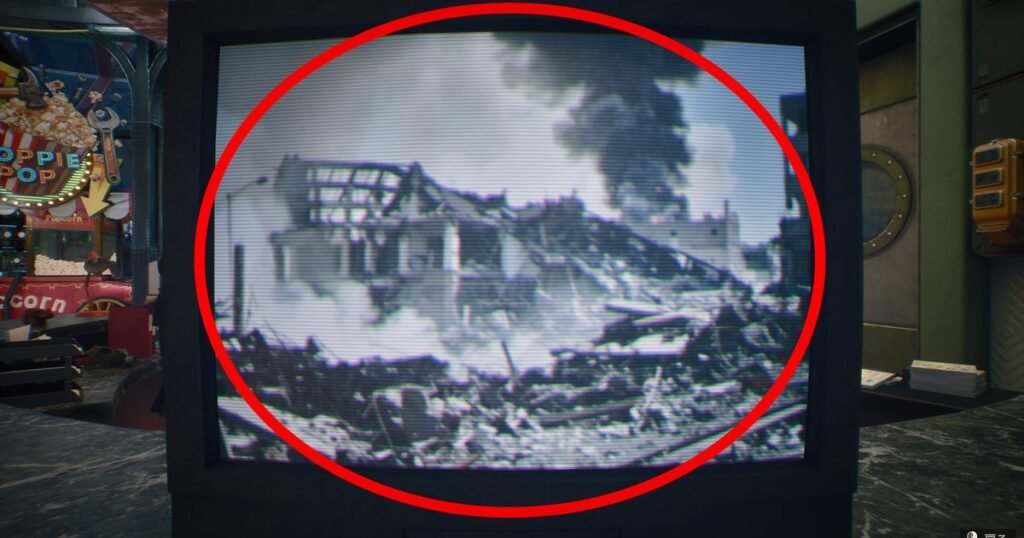
AI-generated art was used, meanwhile, “to generate rough base images” for background posters, InfoCast (news) insert images and in-game reading material, which the team’s artists then “painted over, refined, and adjusted by hand”. The AI tool also apparently helped the team observe copyright laws, although there’s no explanatory detail on how.
Finally with regards to music, AI was used to begin the creation process for music you’ll hear in the background in Iron Perch. Specifically, and I don’t really understand this, so excuse my lack of sound creation technicalities, AI was used to generate stems, which I believe are collections of audio tracks, or mixes. “Once all stems were exported,” the statement read, “few were manually edited, but most were rebuilt from scratch.”
And that’s it.
Let it Die: Inferno is the sequel to eccentric and asymmetrical multiplayer game Let it Die, by Suda51’s studio Grasshopper – Supertrick was a co-creator. This new game ditches the asymmetrical multiplayer idea for direct, real-time multiplayer, in an on-trend PvEvP framework. Initial reviews on Steam don’t seem to be positive, however, with a Mixed overall response.