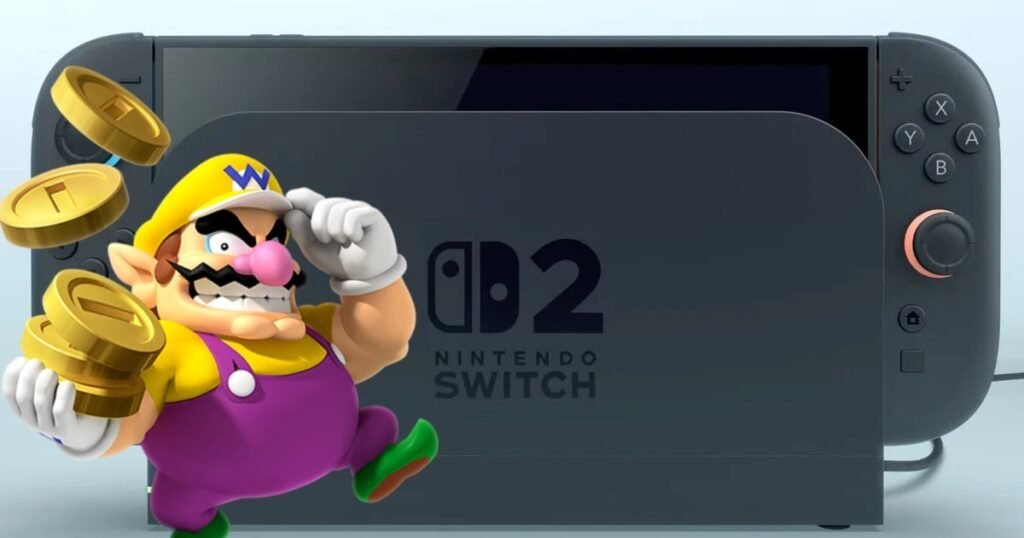
Nintendo has offered a more detailed explanation about why it raised the price of Switch 2, revealing that, unfortunately, it doesn’t expect the inflated price of computer memory and components to fall any time soon.
“If the increase in costs were seen as something temporary that would subside relatively soon, then we could have pursued other options, such as working to improve productivity and expand the installed base while maintaining hardware prices,” said Nintendo president Shuntaro Furukawa in an earnings call that followed the recent full-year results (transcript translated by Nintendo).
“Unfortunately, the recent surge in memory and other component prices, and the changes in the market environment, including trends in the foreign exchange market and the price of oil, are all factors that we anticipate will continue over the medium to long term. As a result, we felt that the profitability of our hardware would suffer significantly if we maintained our existing pricing, potentially impacting our business operations over this timeframe.
“For the sustained growth of our dedicated video game platform business, it is important to maintain a healthy earnings structure for our overall business. For this reason, we made the difficult decision to reflect a portion of our costs in the selling price.”
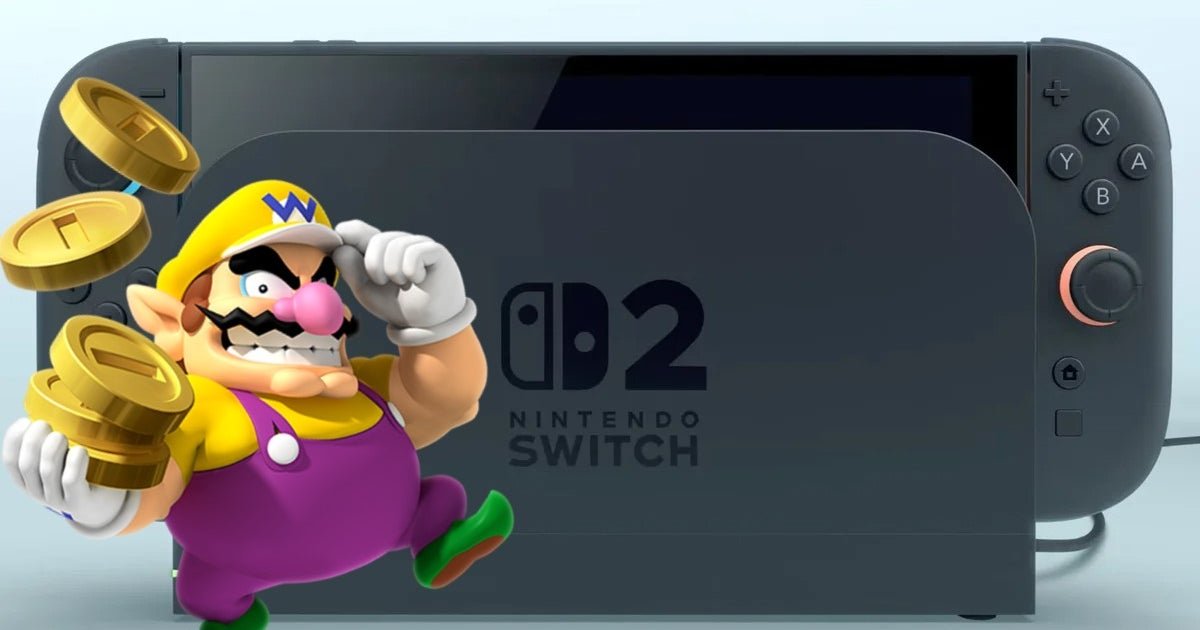
Nintendo announced in its full-year earnings results that it would be raising the price of Nintendo Switch 2 from €470 to €500 in Europe ($450 to $500 in the US) effective 1st September. Prices in the UK are determined by retailers, hence the lack of a local price, so we’ll have to wait and see what they settle at here.
The Switch 2 is the last of the currently available consoles to undergo a price hike. PlayStation 5 and Xbox Series S/X have risen in price more than once during this generation, with the base PS5 leaping to £570/€650/$650 at the end of March. This is the first console generation, as far as I’m aware, where the base consoles have seen a price increase after release, rather than being lowered. This is a contributing factor in expert observers believing the role of consoles in gaming is shifting.
Nintendo’s Switch 2, which was released in June 2025 ahead of the major eruption in memory prices – driven in part by the insatiable hunger of gen-AI computing needs – had until this point remained resilient against the current cocktail of challenging economic conditions.
But perhaps Nintendo held off making any pricing changes to ensure Switch 2 recorded a solid first year in terms of sales. And Switch 2 did have a strong first year, finishing just shy of 20m units sold (as of the end of March 2026). Nintendo lowered its expectations for year two to 16.5m units.
“I will not discuss the specifics of how this price revision could impact Nintendo Switch 2 sales,” Furukawa went on to say, “but we recognise that this raises the barrier for entry to a certain extent for people deciding whether to make a purchase.
“That being said, the most important thing in our dedicated video game platform business is to offer engaging fun that is worth more than the price. Going forward, Nintendo and other software publishers plan to release a variety of titles, and we aim to expand the installed base by conveying that these titles offer new experiences unique to Nintendo Switch 2.
“While uncertainties remain regarding future trends in component prices, we recognise that they could have an impact not only this year but next year as well. As for what comes after that, we will make necessary preparations to ensure that we can respond flexibly to whatever situation arises.”
Nintendo has had success this year with Pokémon spin-off Pokémon Pokopia, and more recently with Tomodachi Life: Living the Dream, which is the most entertainingly bizarre game to hear people talk about, given how you can name and style your island inhabitants based on famous figures. But what lies ahead?
Notably, Nintendo just announced it was remaking aerial combat game Star Fox 64 for Switch 2, and it will be released in June. Nintendo also has a single-player Splatoon spin-off Splatoon Raiders releasing this summer. Beyond that, there’s FromSoftware’s The Duskbloods, which is still planned for this year, though we haven’t heard much about it in a while. And there’s a new mainline Pokémon game, Wind and Waves, but it’s not out until 2027. What of the new Fire Emblem game Fortune’s Weave, supposedly due this year, and what of the rumoured Legend of Zelda: Ocarina of Time remake? We know little, but should they materialise, it could be a strong year indeed.