
Samsung, SK Hynix and Micron – the three largest manufacturers of RAM and fast storage in the world, are being targeted in a class action lawsuit. The lawsuit broadly alleges that all three are involved in price-fixing and intentionally limiting supply to maintain exorbitantly high prices.
More specifically, it alleges the companies have intentionally limited the supply of DDR3 and DDR4 RAM, while shifting the focus to HBM RAM. The former are more traditionally found in consumer electronics, including PCs and consoles, while the latter is mainly designed for AI datacentres.
The lawsuit, which was filed on 25th June in a federal court in California, was spotted by Law360 (via VGC). It argues that consumers have borne the brunt of that alleged squeeze, forcing them to pay “supracompetitive prices” for devices that incorporate DRAM, further boosting the companies’ profits.
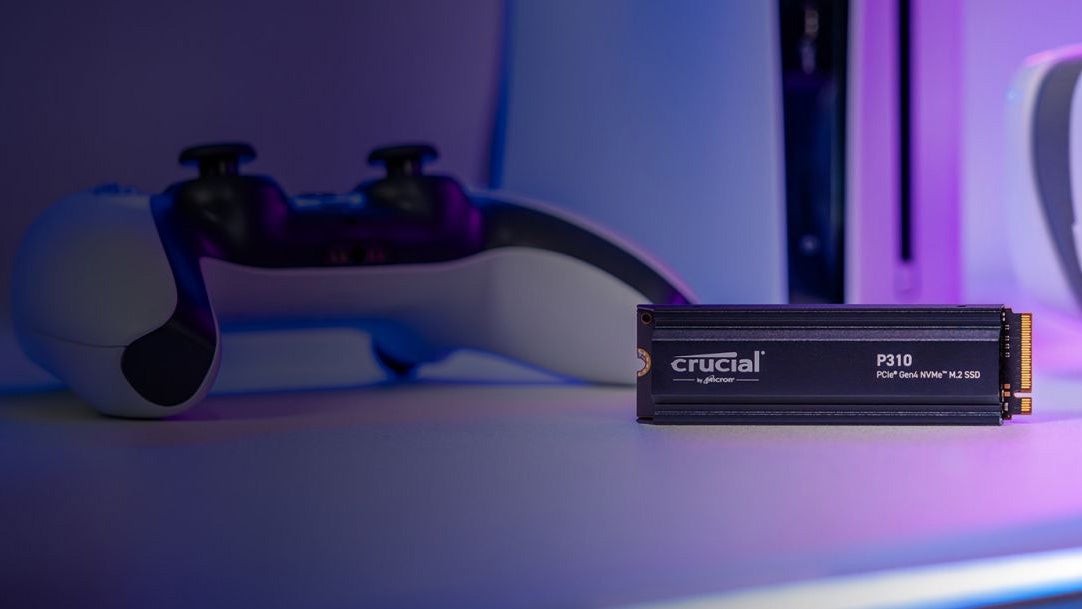
The crux of the lawsuit’s argument is that, in a competitive market, higher prices attract companies willing to meet the demand, thereby offering more supply. In this case, that didn’t happen. Making matters worse is that almost the entirety of the supply is controlled by the three companies, and they’re not likely to be challenged by a newcomer because of the sheer financial cost and time required to build these advanced fabrication facilities.
This is not the first time SK Hynix and Samsung have faced these kinds of charges. In 2005, both SK Hynix and Samsung pleaded guilty to price-fixing DRAM prices. The US Department of Justice fined the former $185 million, and the latter $300 million. Samsung’s fine was the second-largest “criminal antitrust fine” in US history at the time. Micron, notably the only American company of the trio, managed to evade charges by reportedly helping prosecutors bring the case forward. There’s an excellent Gamers Nexus documentary that’s well worth watching if you’d like to learn more about it.
The class action lawsuit called attention to that ruling, as well as a more recent investigation by the Chinese government, which accused all three companies of similar dealings between 2016-2018, a period where RAM prices rose sharply – though nothing to the degree we see today.
-3200MHz-CL16-Intel-XMP-2.0-Computer-Memory---Black-(CMK16GX4M2B3200C16).png?width=2048&height=2048&fit=bounds&quality=85&format=jpg&auto=webp)
The rising costs of RAM and fast storage (SSD) have affected almost every company that makes consumer electronics. Anyone from hobbyist creators of retro consoles, to giants as big as Apple have all had to raise prices in recent months as a result. Xbox, PlayStation and Nintendo have similarly jacked up the prices of their consoles on several occasions, with more expected to arrive.
Despite obscene prices, stock remains low, which makes it difficult to even make the products for the people who can afford them. Valve learned this the hard way in the lead-up to the recent launch of the Steam Machine, which the company admitted is priced much higher than it originally anticipated, and won’t even be available in quantities large enough to meet demand.