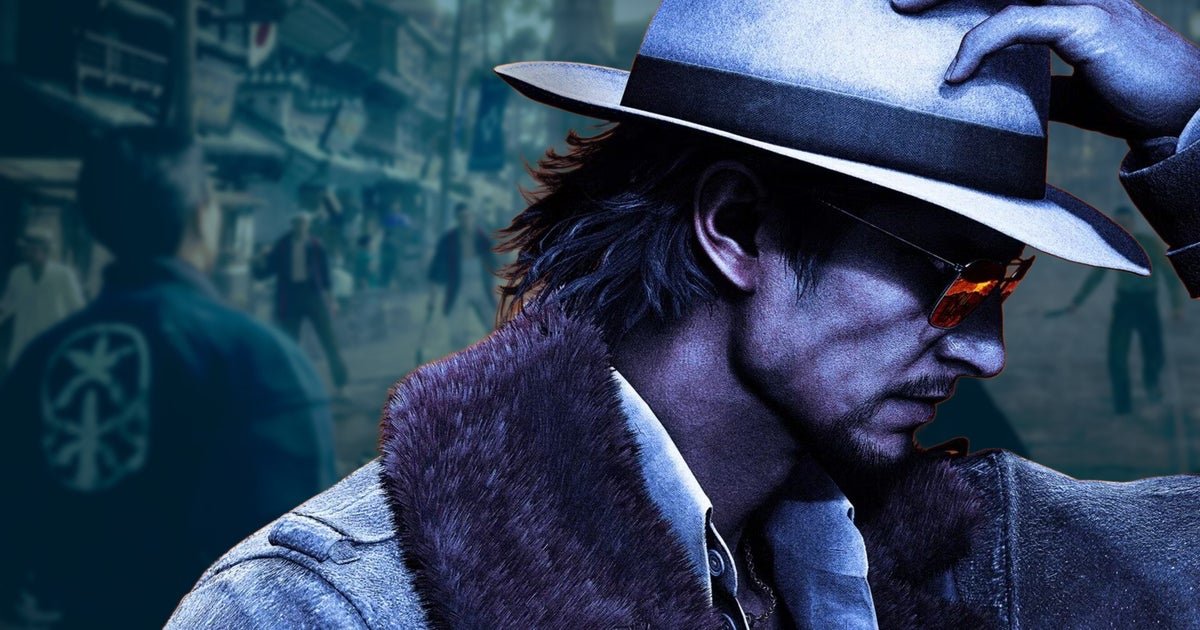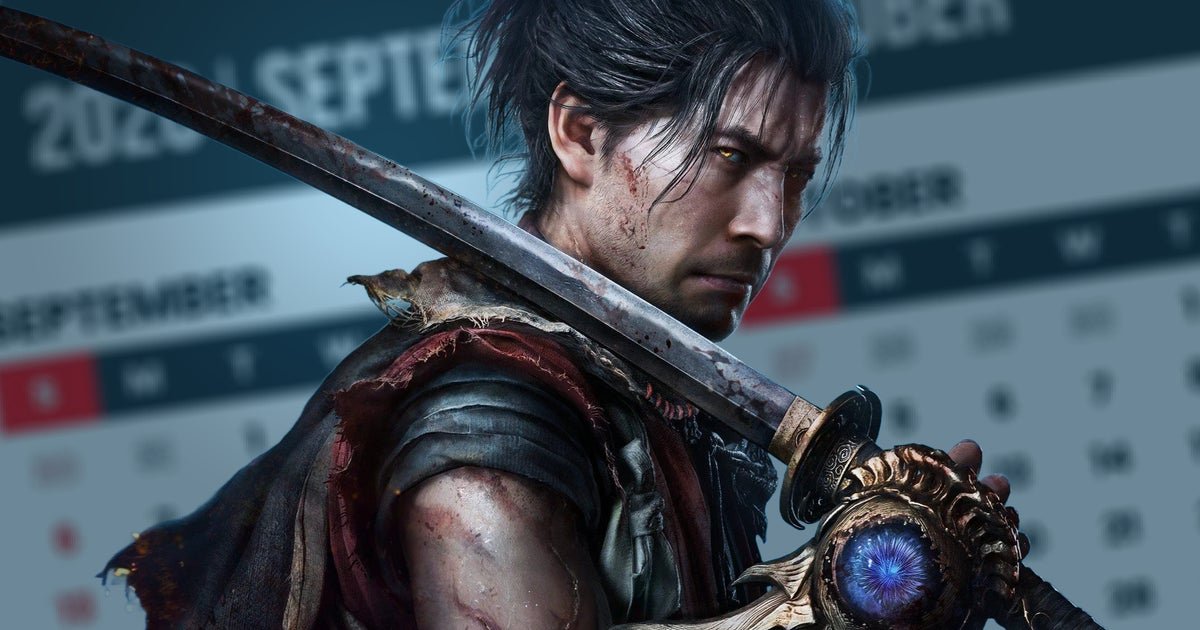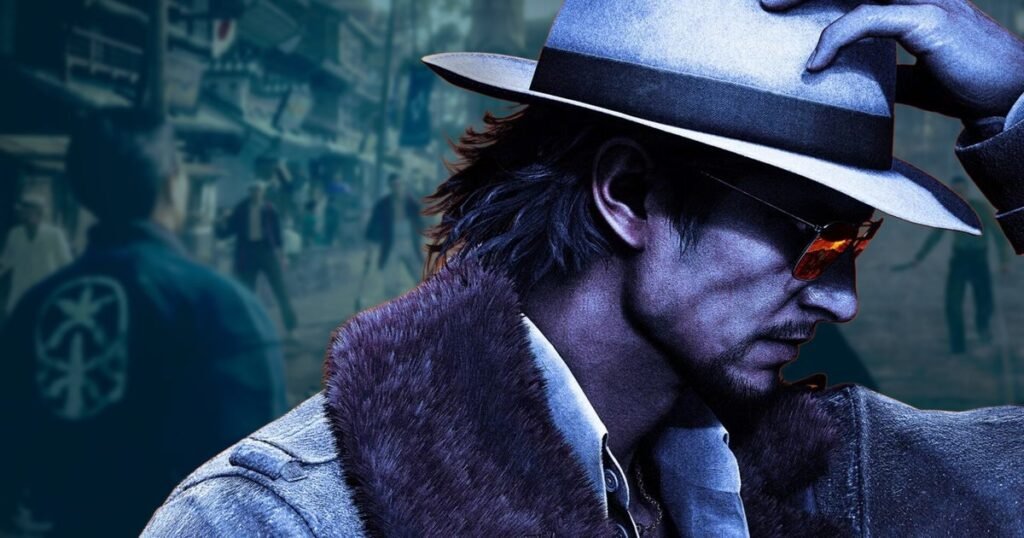
The word going around Summer Game Fest this year was that Stranger Than Heaven was tougher than nails. And having played it I can confirm that it is. Until it isn’t. Stranger Than Heaven is frightfully hard to get your head around for the first few minutes, particularly as this demo was essentially just a case of being dropped into three bouts of increasing challenge with only a quick video tutorial first. But once you unlearn a few habits and learn to think the way it wants you to, it’s less difficult than it is just plain interesting.
Combat was the entire focus of this demo – no utterly bizarre Snoop Dog or Tupac cameos here I’m afraid – and so let’s go over exactly how this combat system works.
The crux of it is in a unique mapping of left and right limbs to left and right bumpers and triggers. Left bumper swings a punch (or held weapon) with your left hand; left trigger a kick with your left leg, and the right side the same again. One-handed weapons such as a knife are only used by the hand holding them – so you can shank and slash with your right hand knife and quickly land a jab with your left first, for instance. Two-handed weapons work with either, though you swing in different directions.
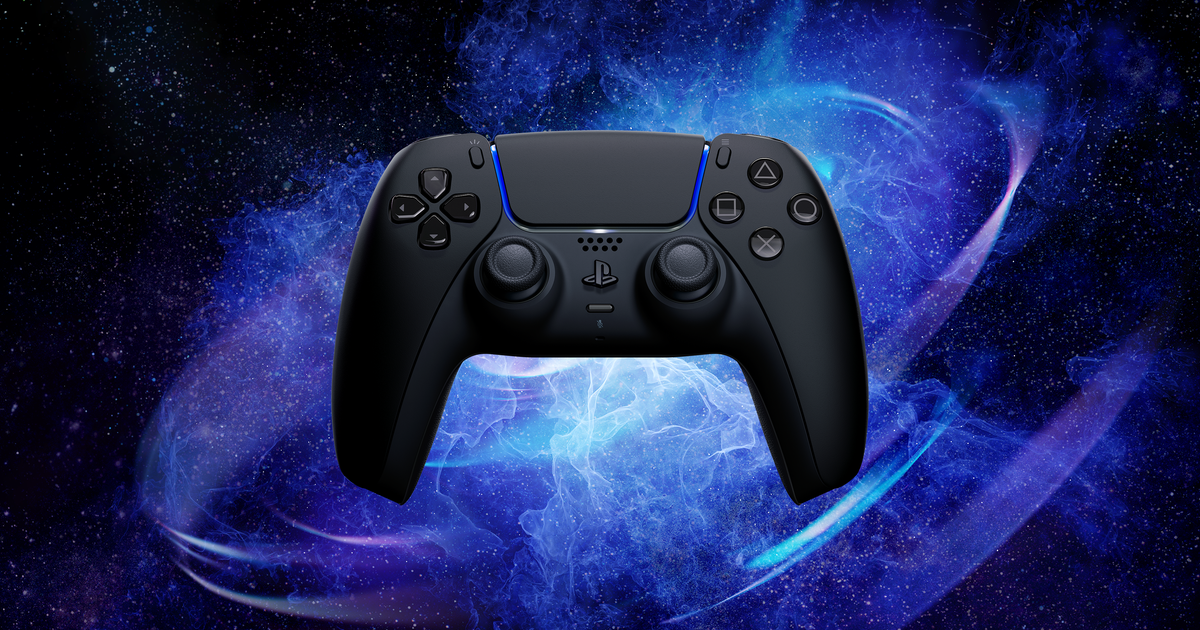
That’s important, because blocking is also an unusual system. Rather than a single bumper – typically the left one in most weapon-based combat games – blocking here is mapped to B/Circle on the controller. Holding it down will block most attacks, but holding it down and then pressing the bumper on either side will do a directional block in the respective direction, allowing you to parry. Holding any attack button down, meanwhile, allows you to ‘charge’ it, even the seemingly lighter attacks you throw with your hands, while you can also perform a grab by doing two equivalent buttons at once. Likewise, foes will occasionally get bludgeoned sufficiently enough for you to leap onto them and do a bit of pummeling while they’re on the ground. (Stranger Than Heaven can be brutal. That’s maybe as you’d maybe expect from Yakuza/Like A Dragon developer Ryu Ga Gokotu – and for a game that’s also a distant Like A Dragon prequel – but this one feels especially, ahem, punchy.)
The difficulty, certainly at first, comes from simply wrapping your head around the two systems of offense and defense. It’s incredibly easy to slip into just attacking with one hand and leg, for instance, until the enemy susses you out and starts to continuously block those attacks. Likewise, unlearning your use of the shoulder buttons for parrying took me a good few minutes, while properly clicking with the block + parry combo took me most of the demo.
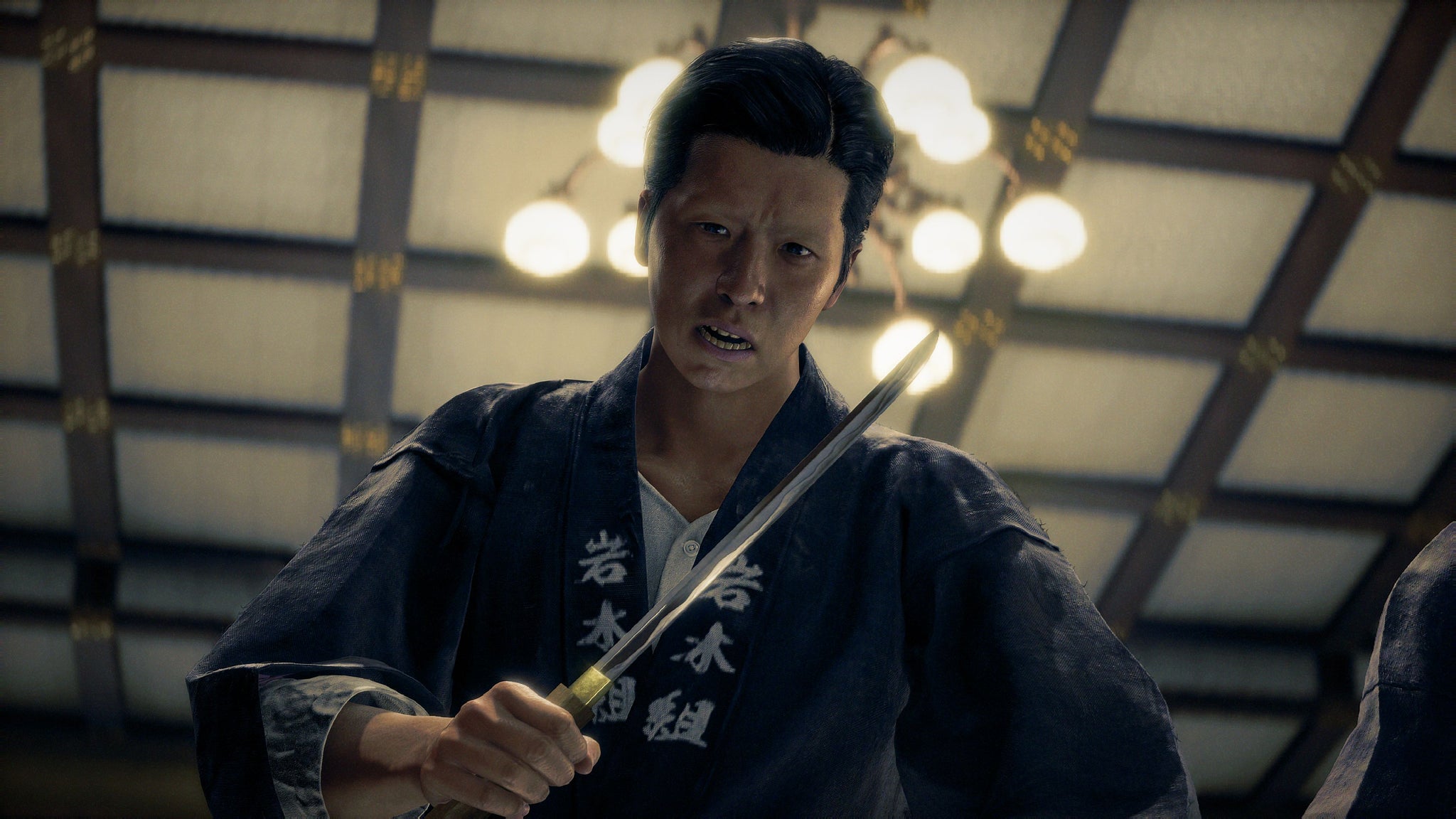
As for the demo itself, this one played out over three small extracts of three separate locations. The first was Kokura, Fukuoka, set in 1915, and classed as beginner-friendly. Friendly is a stretch: this was still a bout with multiple enemies from the off, but it made for a nice showcase of how booting one baddie into another can send them all tumbling enjoyably, like angry little skittles. Plus there were a good few bottles lying around on tables, adding a fun additional dimension (that dimension being: what if I hit this guy with a bottle?).
The next was a larger group of enemies at an intermediate challenge – with an added, hulking brute for good measure – set in 1929’s Kure, Hiroshima. This was a good test of one of the weapons, a large crowbar, that helped as you’d expect with clearing out groups while parrying some of the big fella’s non-heavy attacks.
There was some clumsiness here at times, though it was often hard to tell what was my clumsiness and what was Stranger Than Heaven’s. An example: it’s very easy to whiff an attack entirely here, with no lock-on available. Sometimes that works nicely, as you dodge around the area, or an enemy successfully evades you – often not with a specific dodge move itself but just by virtue of the two of you both engaging in a kind of positional dance. Stranger Than Heaven is a game of timing and anticipation as much as it is mechanical skill. But other times it does have the effect of making you both look rather ridiculous, as an enemy locks themselves into several air punches or you throw a furious kick at thin air, as though the wind had whispered something nasty about your mother.
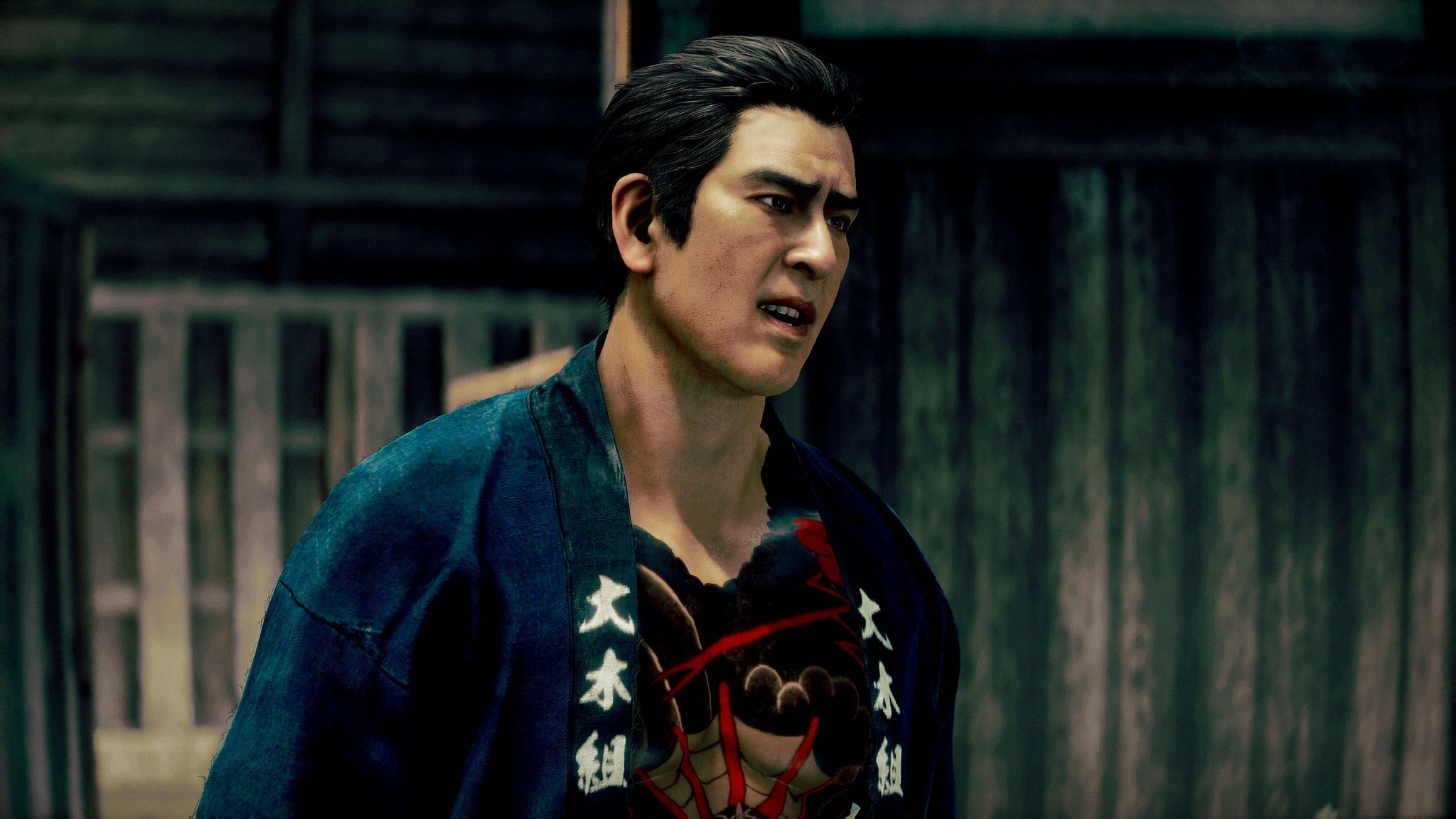
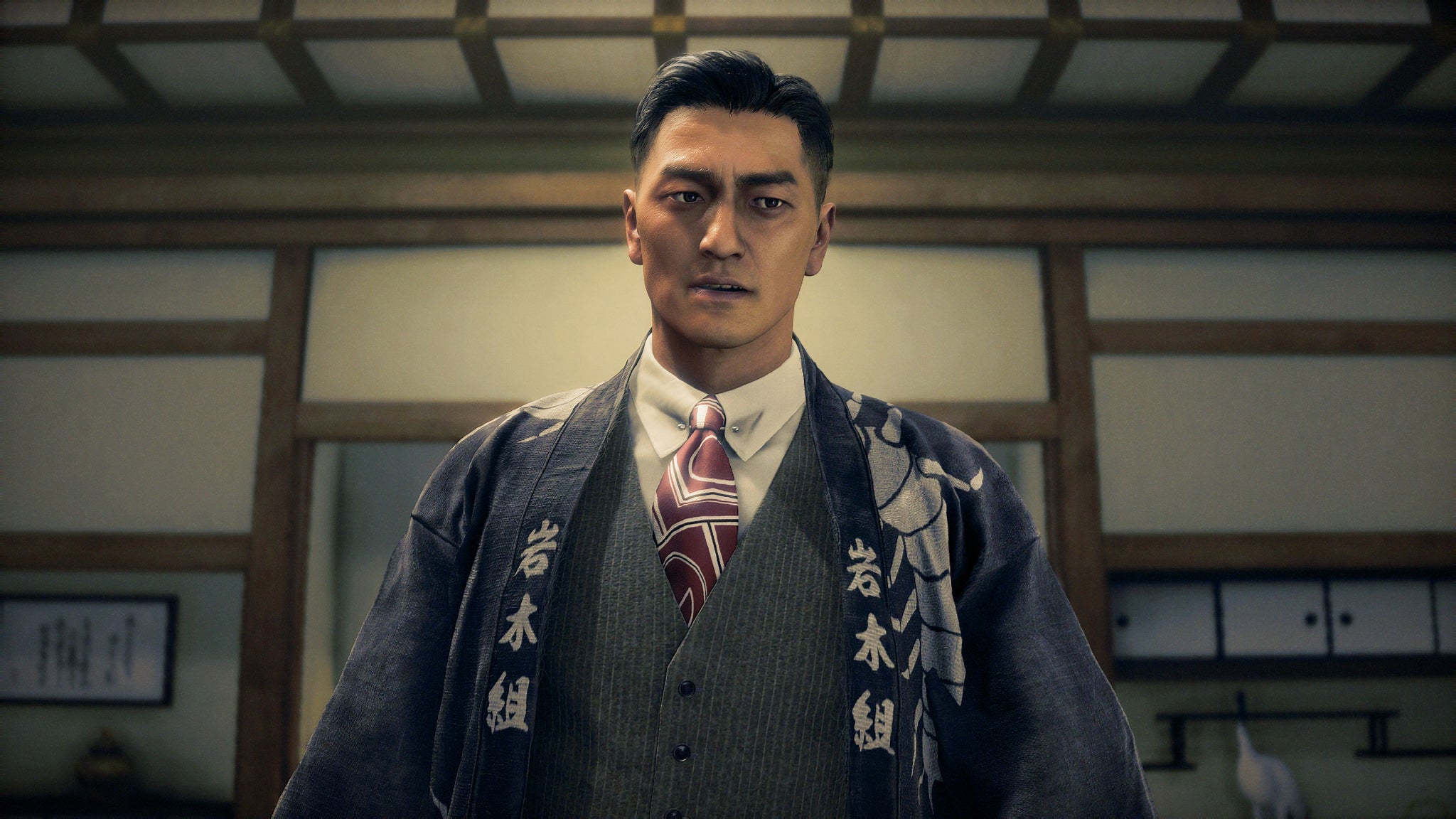
The final bout was a kind of boss fight, in a 1v1 against a scrawny little rake of a man with a sword. Again the timeline moved forward, this time to 194’s Minami, Osaka. Here I had several weapons unlocked, though stuck with the default knife as it felt perfectly suited. This was also by far the most enjoyable bout of the lot. Skinny man mixed naturalistic fighting with the odd burst of impossible speed, namely via an attack where he’d crouch a little, prepare his blade, then suddenly burst forward across most of the width of the arena in a millisecond flash.
What it became was a game of anticipation again, as he seemed to genuinely adapt to my strategies on the fly. A left bumper attack for instance, with my empty fist, proved incredibly useful as a quick jab to interrupt his marginally slower attacks, as long as I stayed right up close. But then – maybe after his health hit a certain threshold, which would make sense, and be a bit more standard for combat games like this – he started to parry them, forcing me to reconfigure a plan on the fly. I got a couple grabs in through that guard instead, for instance, and focused harder on parrying. That, combined with cracking the timing of his almost-unblockable dash attack got me to a final breakthrough where I could finish him off.
In one sense, all this is nothing too new – a few group bust-ups and a tougher guy to fight. But throughout the whole demo this combat system had me grinning. Only earlier that weekend – that day in fact – after a lot of time spent dodging, parrying, and quick-or-heavy attacking across various games, I had genuinely been wondering why nobody had ever tried mapping attacks to limbs. It’s been standard for some time for a controller to have four shoulder buttons, for instance, why not stick an arm or a leg on each one?
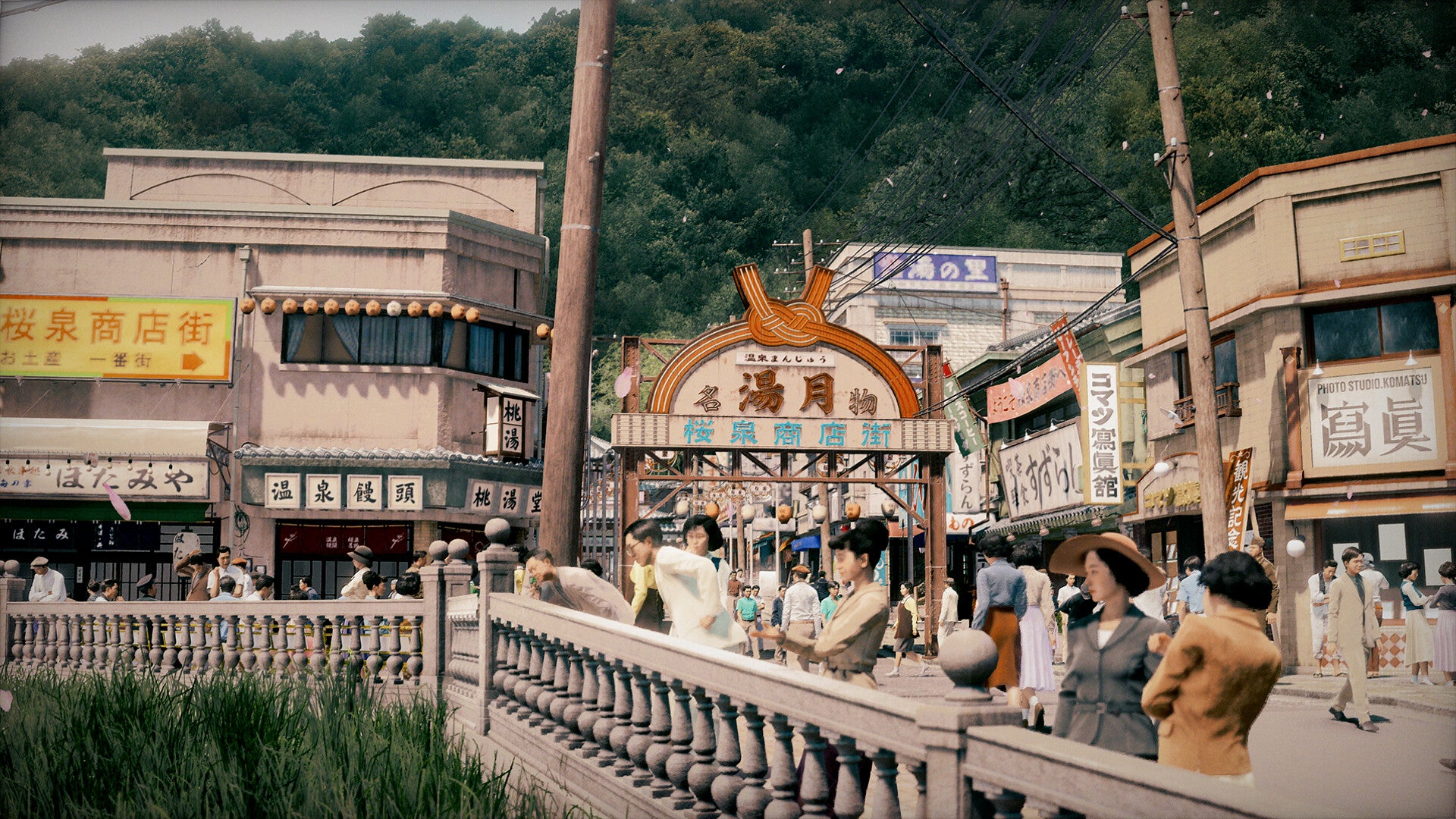
Well, Stranger Than Heaven offers a good answer. Because it is weird, like trying to play Sekiro with the controls of QWOP. And because doing anything remotely weird in video games, particularly today, is a massive gamble. Combat controls have become largely standardised for a reason – because dodge, parry, heavy and light attacks are a classic formula. But like any good remix of a classic, you will get a lot more out of it if you play it with an open mind. This is one of the most interesting combat systems I’ve played in a long, long time – the rhythmic, almost musical timing-based duelling of Sekiro, in fact, is probably the last time I had to do a bit of active re-wiring on the fly – and the results from this brief early impression are positive. I think this is a gamble that’s paid off.