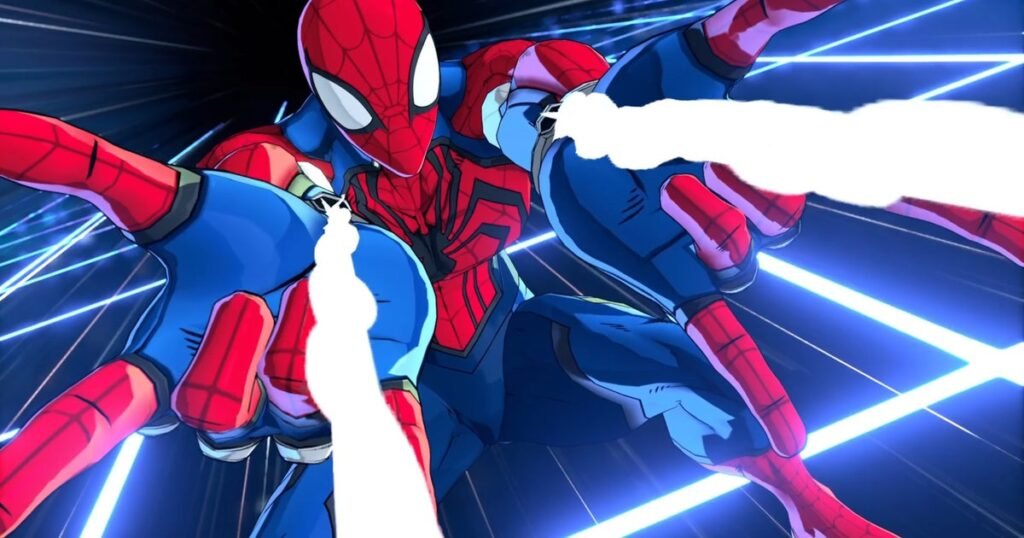
Marvel Tōkon: Fighting Souls is a smart marriage of classic tag fighter staples and modern design, creating an excellent fighter anyone can enjoy.
Whenever I see the words “spiritual successor” attached to any new game, I immediately get concerned. You set a bar in the minds of old fans that can prove impossible to reach. This is not the next great Marvel vs Capcom game. It’s not a Marvel vs Capcom game at all, in fact. It is, however, the best tag fighter I’ve played in years.
But first, what do you get in the box (for now). Marvel Tōkon: Fighting Souls? It’s a 2D, four-vs-four tag fighting game, meaning you get to pick a squad of heroes and villains from a cast of 20 and slam them up against other teams, either online against other players or in a scattering of single player modes. There are training options, some basic account customisation: it’s a pretty standard package all things considered.
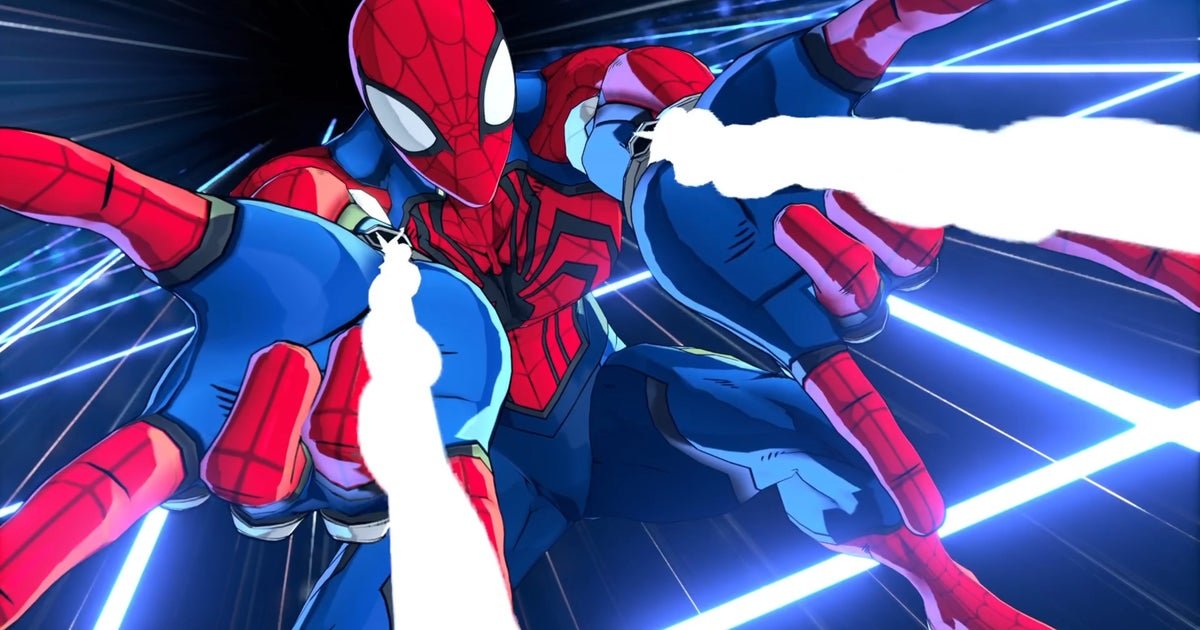
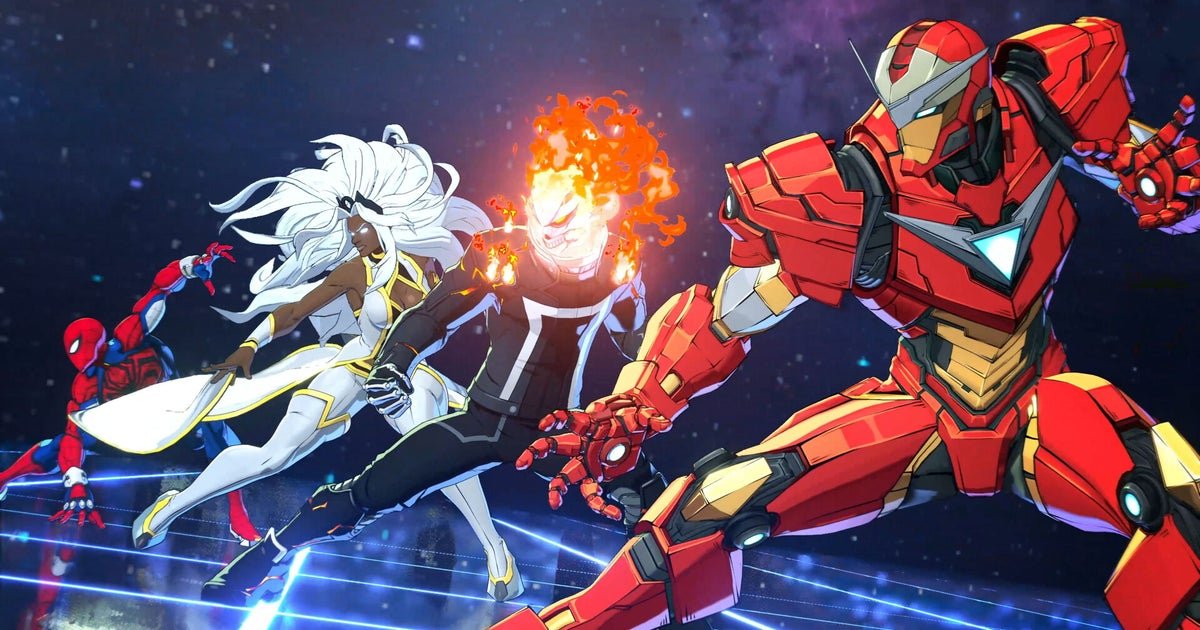
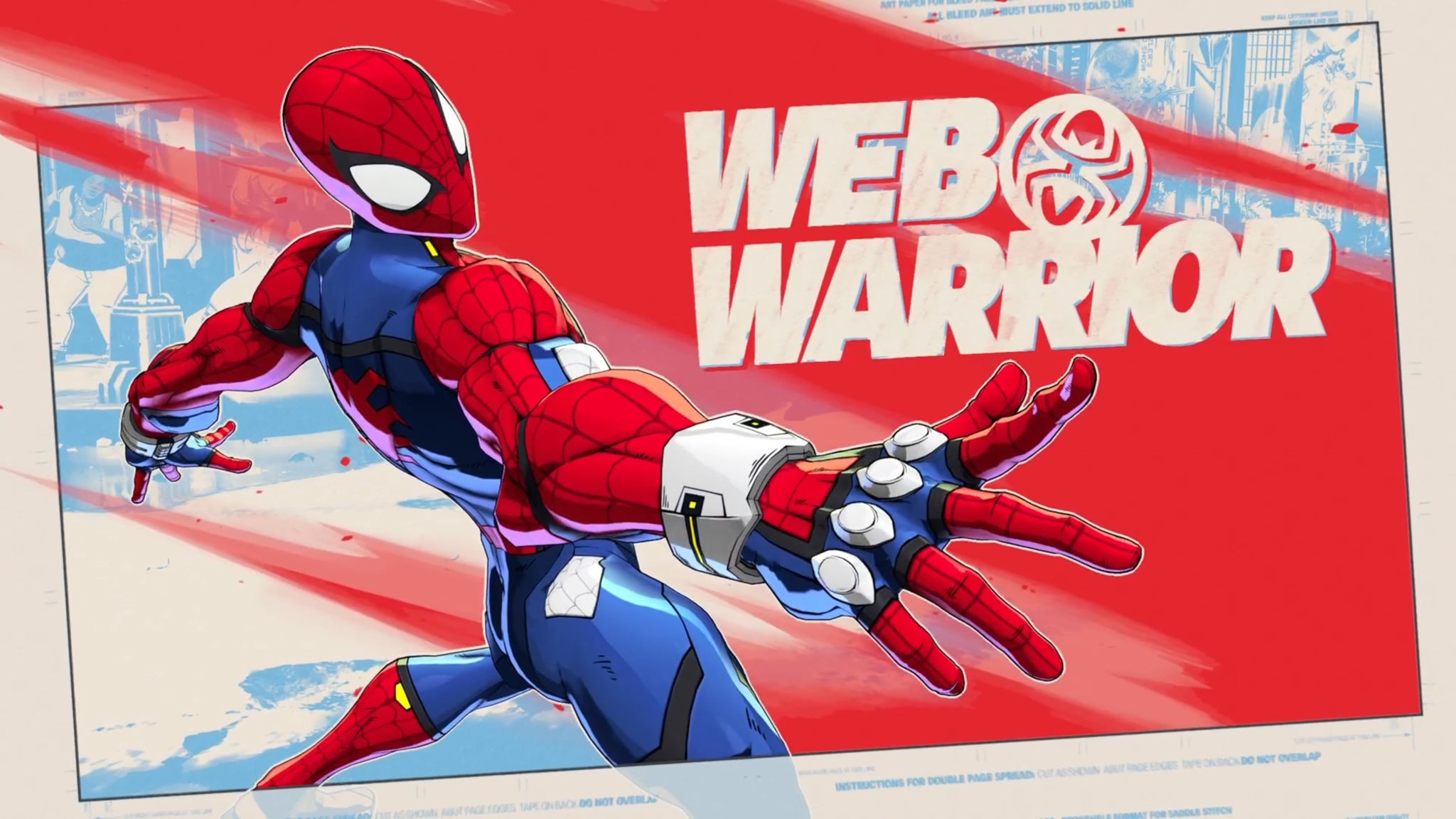
Where Marvel Tōkon immediately stands out is through its stylisation. We’ve seen a lot of Marvel games over the years, ranging from MCU film tie-in sludge and authentic comic book adaptations. The Tōkon team have instead presented the Marvel universe from a Japanese lens, redesigning characters and in a way only Arc System Works could do. This was a brilliant decision to make. It sliced through any sense of super hero fatigue I had, even for the blandest on the roster.
Take Captain America. I think Captain America – generally speaking – is fine. He’s a good dude with a cool shield, wicked. If you love that, great. His Marvel Tōkon look is faithful, though refreshing in the little ways. The styling of the A and wings on his helmet, his battle boots paired with the thick jacket. It’s a great look, that .
When this approach is applied to characters we don’t see too much of, the pay off is even greater. Green Goblin is the stand-out example of this to me, a freaky mess that creeps around on the ground and soars menacingly on his glider. Looks aren’t everything, but with Tōkon they count for a lot.
And, as a side note, I do love how Arc System Works have drawn comic book aesthetics throughout this game. Oftentimes this isn’t obvious, instead playing a role in the background, but I believe it makes the game a more colourful, joyful experience. Panel frames line the parameter of menus, boxes you hover over pop with an always-moving uneven orange pencil fill. You’ve even got this brilliant retro dotted texture on sub-menus. It’s incredibly nerdy to care about this stuff but I don’t care, it’s wonderful.
But it’s in the playing where Tōkon is a real treat. Marvel Tōkon blends decades-old tag-fighter staples with modern-age genre trends beautifully, combining the most compelling aspects of what is often considered the most daunting sub-genre with advancements that lessen the barrier-to-entry, while preserving the wow factor. Though there is a cost to this.
What’s the cost? Well, Marvel Tōkon is not as fast and loose as its peers, nor its spiritual predecessors. Compared to classics like Marvel vs Capcom 2, movements can at times seem tectonic, and the combat in Tōkon has been clearly designed with a certain way to play in mind. A basic combo route on one character will likely work on all of them, and early on its true characters at their core felt a touch samey.
This feeling gradually falls away though, as each fighter’s individual strengths open up avenues for unique and tricky combos that – while not necessarily as mechanically impressive as similar feats from past games – do tickle the brain stem. Indeed much of the mechanical freedom and complexity oldheads would recognise from tag fighter classics has been sliced away here, in favour of wider appeal.
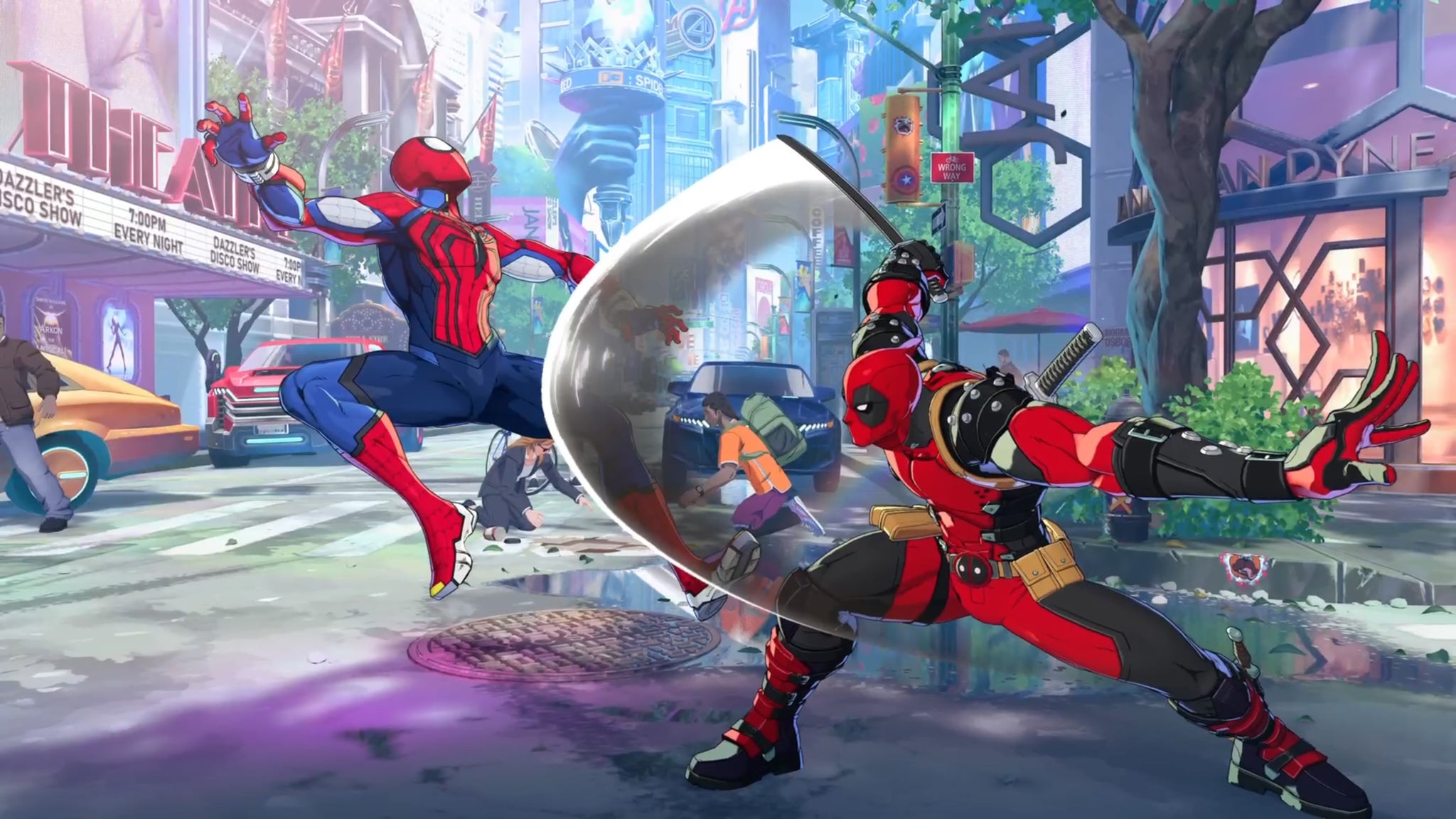
As for what it gets in return, Marvel Tōkon is an easy game to pick up and play, and it has the capacity to enchant you thanks to what I believe to be the best onramp for new players I’ve ever seen in a tag fighter. It’s so smooth you hardly notice it, the gold-plated Gillette razor of the genre.
You start by mashing buttons as you navigate yourself around the cast, getting to learn the basics of each character. Then you start pressing the assist button to fold in tag attacks into your game plan, then maybe you try a basic combo manually: light, medium, heavy, down heavy, jump medium, heavy, heavy, assist, super. Easy-peezy, and it works with every character.
Then hey, why not try and extend this combo with one of those assisted attacks I tried? Oh, what happens if I add this, or that? It all comes naturally. Unlike other games like Street Fighter 6 or 2XKO, which lock those using basic controls away and separates them from other players, Marvel Tōkon gives you one method of control that supports both high-dexterity players and those just starting out. It’s fun to try out a new character, because it’s easy to try out a new character. The barriers are removed, and replaced with an elegant staircase anyone can ascend.
It’s remarkable because a 4v4 tag fighter should be a horrendous mess. Visually, sometimes, it is. You gradually unlock your whole squad during a match, be it through knocking an opponent through a wall or losing around, so eventually matches can become this motorway pile-up of swinging-swords and fire blasts. But here’s the thing, you’re not thrown in there from second one. The process of unlocking these characters as the match progresses allows you to gradually build up to the chaos. Each match, as a result, has a natural climax on the final round, a big crescendo to a comic book brawl. It’s great stuff, really.
As for where you can actually use your newly mastered combos, there’s not a huge amount present. There’s more to do than in some of its peers right now, but this is still a game where the vast majority of your time will be spent online fighting other players. There are five single player episodes, each featuring a different team of characters. They aren’t especially long, nor really challenging, but they do come with a mix of nice cinematics and comic-style animations. You can beat each episode in around an hour, but doing so once will reward you with a new character. Remember when games used to do that?
There are also some alternate modes that offer distractions from the meat that is the online suite. Arcadia Rumble is this basic party game mode that pushes you to slap other avatars for in-game boosts before jumping into proper matches with the bonuses you’ve acquired. It’s not competitive by any means, and it struggled to keep my attention as a result. There’s also various arena courses, small choose-your-own-adventure arcade ladders, and a 100-round survival mode that rewards those strong enough to go all the way with a special colour scheme for the whole roster. Again, remember when games used to do that rather than selling everything to you?
The online offering is where you’ll inevitably wash up, and I found it largely faultless. The basic pairing of casual and ranked matches can be found here, though the Arc System Works special is also present: avatar lobbies where cutesy versions of the roster can be controlled by the player, and navigated to arcade cabs where other players are doubtless waiting for you to hop on. This is a nostalgic addition that appears to be a mainstay in modern fighters, even as I have to wonder: how many new players have actually seen (let alone played) a fighting game on an authentic cab?
I do appreciate a dedicated online tournament mode present on the main menu, which allows players to hop onto official PlayStation tournaments for Marvel Tōkon. While I do believe leaving your house and finding a local event is where the soul of the genre still thrives, I also appreciate that most new players aren’t going to want to do that right away. It is probably better to offer an avenue for competitive ambitions people can engage with at home, if only to tempt them to social spaces later down the line.
Performance problems have been widely reported since the release of Marvel Tōkon and for good reason, the PC version has appeared properly borked. For this review I played on PS5, and so the hardships of PC players wouldn’t usually be within the remit of my review. However, due to the particular nature of the technical problems present on PC while I was reviewing the game, online matches against PC players were dreadful. Thankfully, other PlayStation 5 players and I were able to turn crossplay off and essentially lock the PC playerbase in a quarantine zone where they could fester away, resulting in a near-flawless online experience.
Nonetheless it did have a negative impact on my experience with the game. A patch has come through which has appeared to largely remedy the problem, though this is of course anecdotal. Having turned crossplay back on and courageously interacted with PC players I have found a few of them still struggling so much it’s as if playing from Wii U game pads, and as such have felt tempted to scurry away back to my gated community. A problem that, hopefully, will continue to improve in time.
On its own, in an empty room divorced from the legacy of Marvel tag fighters, Marvel Tōkon is a fantastic game. I do still feel the ghost of the Marvel vs Capcom series floating over this game however. Perhaps unfairly, it’s a series I can’t help but compare to Tōkon often. I do find myself missing the speed and complexity of those games. For better or worse, I don’t think some of the ridiculous feats the series is known for are possible here.
But maybe that’s for the best. I’m reminded of the differences between film and digital photography a little. People today still swear by film, the hurdles you have to overcome to become proficient with a film camera are extensive, but through practice some truly fantastic shots are possible. Digital photography made things more accessible, it made taking great shots easier and you don’t have to struggle as much.
With ease of use you do lose something. Control is taken from your hands, lighting is taken into account for you, and in exchange the chance of getting poor shots decreases. Even so, there’s something special about having to manage all this yourself. The photograph you take on film is your own, the product of unbound freedom and hardship. I couldn’t crack film photography, and retreated to a digital camera, but I get why people stick with the old stuff. I believe with Marvel Tōkon, older fighting game fans may be in the same position. It’s a hard thing, but time moves on and maybe dropping some of the hardship from Marvel tag fighters is for the better.
Because Marvel Tōkon is a triumphant new addition to the legacy of Marvel tag fighters. It’s a bold game, keen to match fantastic presentation with explosive fighting that’s found a well-earned spot on my weekly rotation. One I think it’ll keep for a long time to come.
A copy of Marvel Tōkon: Fighting Souls was provided for this review by PlayStation.