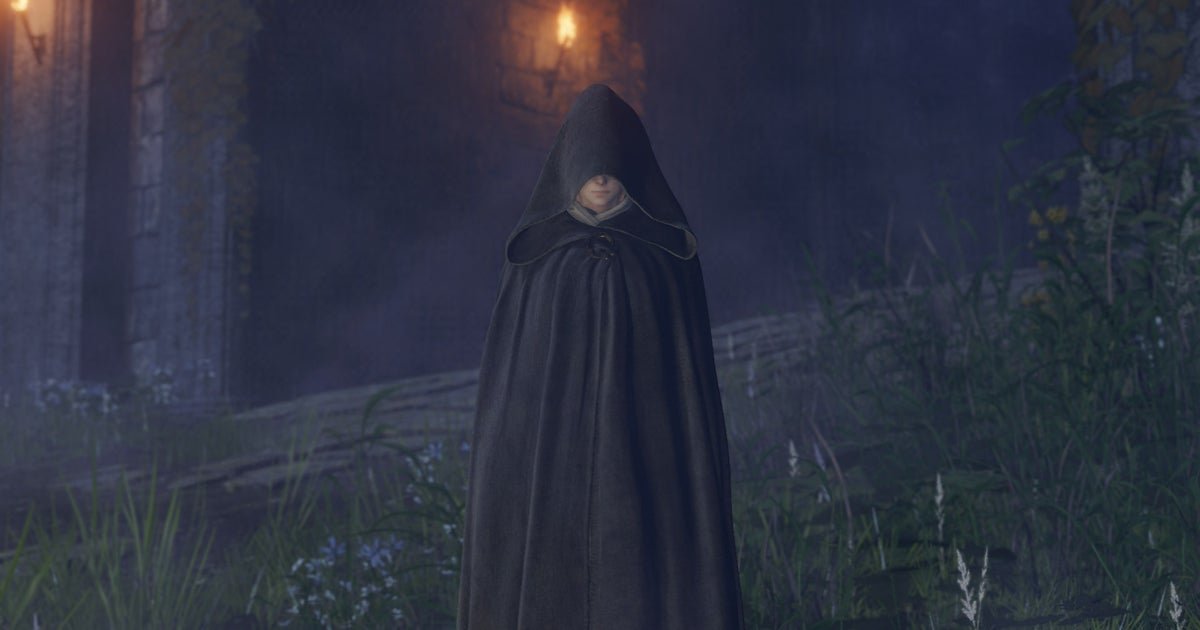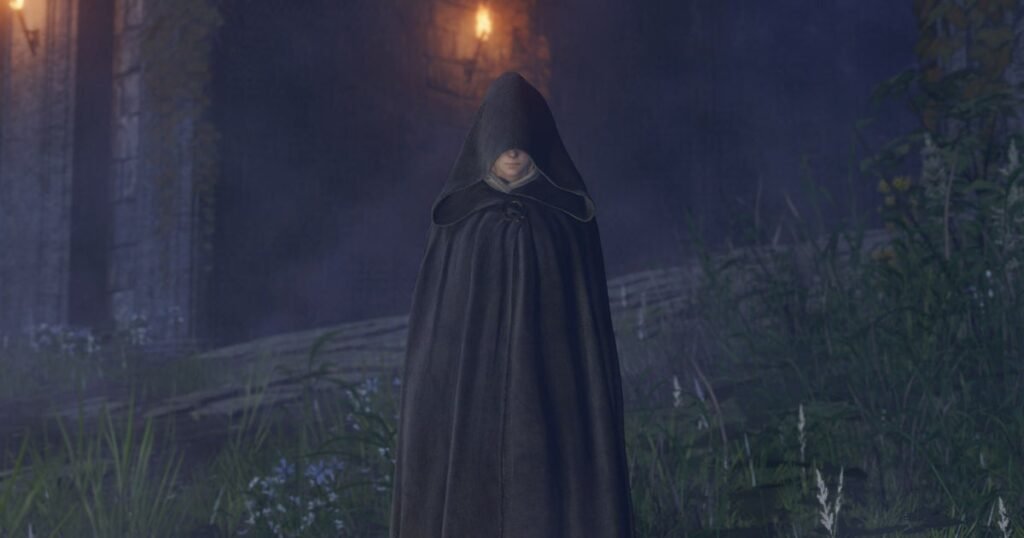
The power of the Nintendo Switch 2 definitely knows its bounds, but that hasn’t stopped Nintendo and its fellow publishers from trying to push the handheld device to its limits by porting some of the more demanding and gargantuan of games to the console. The release of Elden Ring: Tarnished Edition is one example of that ambition. I’ve only been able to spend about ten hours with it so far, which saw me clearing out Weeping Peninsula, Stormveil Castle, and Liurnia of the Lakes before moving onto the treacherous place that is Caelid. This means I’m yet to explore the portion of the game whose performance I’m most curious about – the DLC’s Realm of Shadow – but more on that shortly. (This is your spoiler warning for the DLC’s ending, as I’ll be discussing that below.)
First things first, one thing that Elden Ring: Tarnished Edition proved to me (again) is that stepping foot into The Lands Between will never grow old, even when you find yourself stumbling along in 30 FPS and waiting around for slightly longer loading screens. Now, if you’ve never played Elden Ring before and this is your first foray into the game, 30 FPS won’t necessarily be the shock to you that it was to me. I’m very much used to playing Elden Ring on my PC with my Xbox controller at a stable 60 FPS, so my first real enemy encounter this time around was the ‘thick air’ of The Lands Between, as well as the Switch 2’s button inputs. Pressing ‘A’ to dodge and ‘X’ to interact, even if it’s in the same position on the Switch 2’s Joy-Cons, felt alien to me at first. Alas, this is nothing you shouldn’t be expecting, and nothing you can’t quickly get used to in my experience.
By the time I reached Stormveil and took down the game’s first two bosses, Margit and Godrick, my focus on the FPS had long felt like something of the past. I’d got used to dodging a little earlier than I normally would, and charging my heavy attacks the slightest bit further ahead of time. Aside from the few frame drops I experienced while sprinting through Liurnia of the Lakes to track down the Academy Glintstone Key, I was pleasantly surprised that Elden Ring: Tarnished Edition played as well as it did, while also looking near-enough as wonderful as it did on my PC. Simply put, once you’re used to how thick the air feels at lower FPS, the Tarnished Edition otherwise runs as smoothly as you’d hope in docked mode. For the most part.
.jpg?width=2048&height=2048&fit=bounds&quality=85&format=jpg&auto=webp)
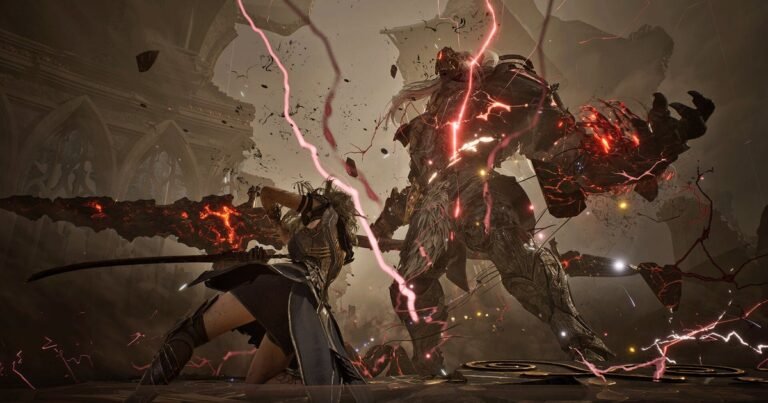
The first issues I encountered were with the Red Wolf of Radagon, who is your first boss in Liurnia of the Lakes, and most players’ third boss in the whole game if you’re following the critical path. This is an incredibly agile wolf who jumps and lunges around the room, snapping at you with its jaws and swiping at you with a magical sword it’s able to conjure. This is also one of the first arguably ‘fast’ bosses you’ll fight, and it was during this encounter that things first began to falter. Dodging its lunges and swipes wasn’t an issue for the most part, but on more occasions than I’d like – usually when the Red Wolf was slinging its magical sword around – I’d experience frame drops so damning that it was any wonder I survived some of them. Ultimately, I ended up fighting the beast with the ol’ trusty Reduvia Dagger’s ranged weapon art, so I could keep a safe distance. Rennala, the boss who immediately follows Red Wolf of Radagon, was – like Margit and Godrick – a very smooth fight however.
.jpg?width=2048&height=2048&fit=bounds&quality=85&format=jpg&auto=webp)
All in all, this one experience did put a sour taste in my mouth. I plan on seeing Elden Ring: Tarnished Edition through to the very end, as it’s been a long time since I replayed the game with an entirely new character. The Tarnished Edition also introduces two new Starting Classes that incentivise this, one of which includes a new Light Greatsword (which happens to be our second standard Light Greatsword in the whole game, which I’m pleased to see). In spite of my excitement though, I do fear for how later bosses will play out. Especially those in the DLC, such as Divine Beast Dancing Lion and Messmer the Impaler. Given that my PC sometimes struggled with frame drops during the former, and the latter is one of the fastest bosses in the game, I do wonder how these will go down on the Nintendo Switch 2 if Red Wolf of Radagon was the first boss to falter.
Above all that though, my biggest concern lies with the Shadow of the Erdtree DLC’s final boss, Promised Consort Radahn. Not only the toughest fight conjured up by FromSoftware to date (in my opinion), this fight doesn’t just test your skills, but it also will test your gaming rig. Given that I struggled with this fight from both a difficulty perspective and because my PC couldn’t keep up with all the Gravity attacks being hurled at me, I really do wonder just how well the Nintendo Switch 2 will hold up during this fight, and during the ones that lead up to it. Time will only tell as myself and other players foray through The Lands Between and into the Realm of Shadow once more. My hope is that the rather promising start I’ve had – Red Wolf of Radagon issues aside – holds up as we all progress with our adventure to become Elden Lord all over again.