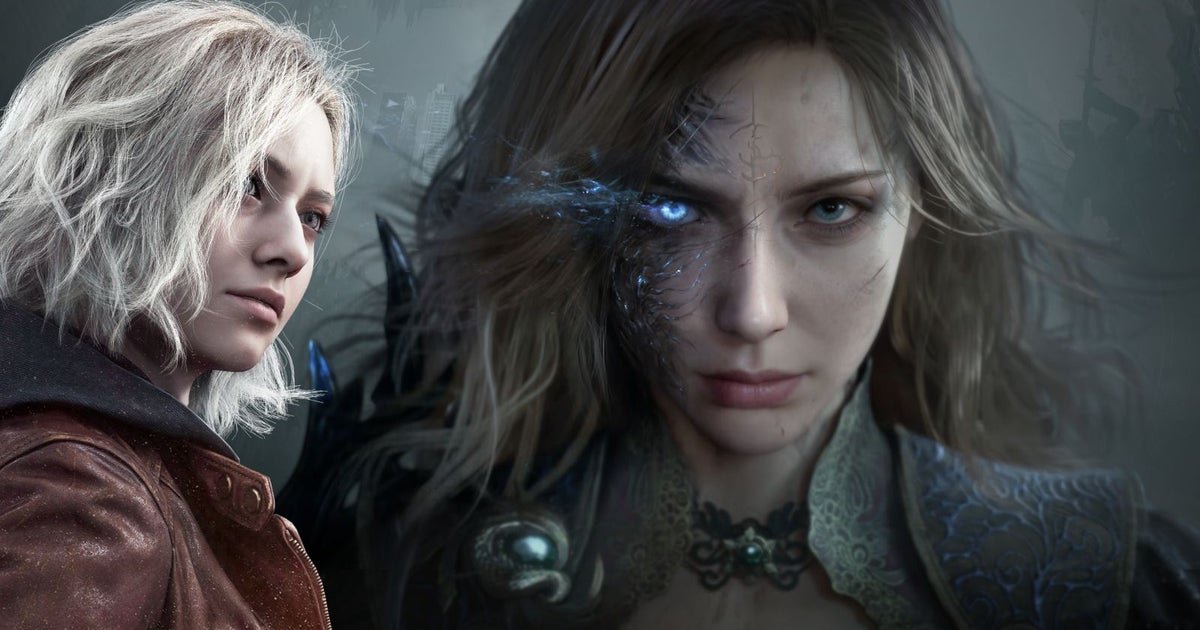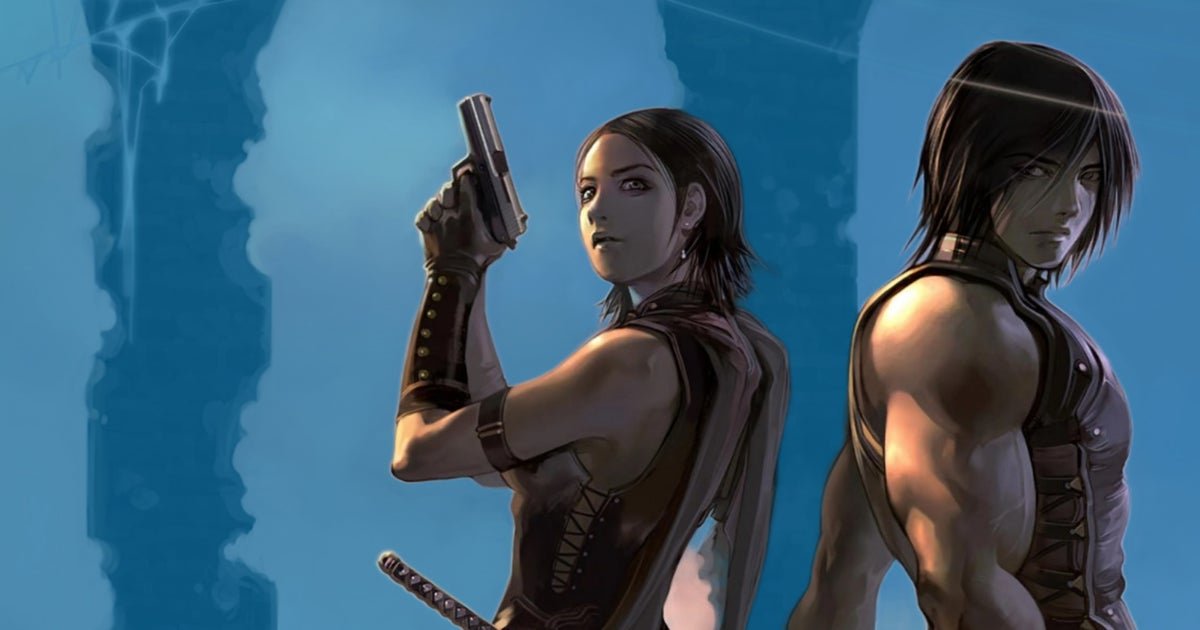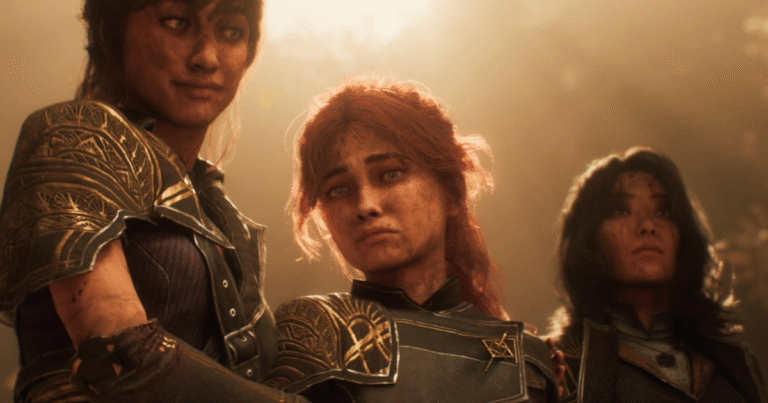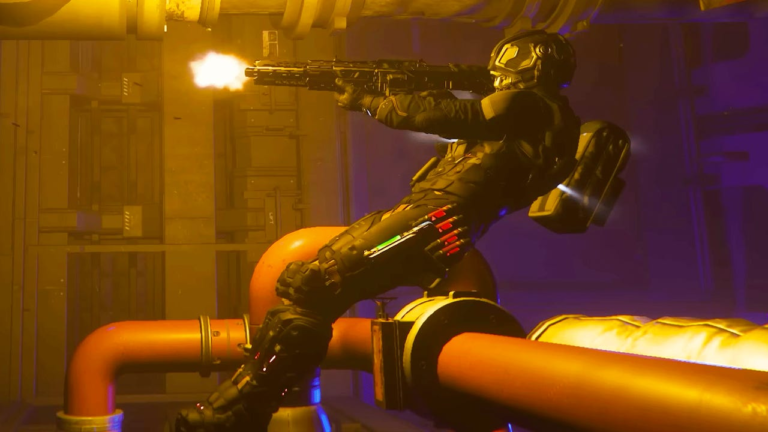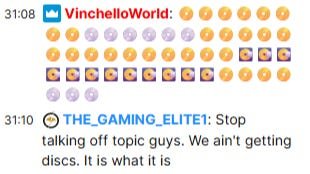
Sony held its planned Phantom Blade Zero State of Play livestream with — somewhat surprisingly — the comments turned on, and they went exactly how everyone thought they would.
The YouTube chat, for example, was dominated by “no disc no buy” comments, which drowned out comments about the promising looking action game itself. It was a similar situation on Twitch.
None of this should come as a surprise, given fans had called out this first State of Play since Sony’s announcement sent shockwaves through the video game industry as a likely battleground for the ongoing backlash to the impending end of PlayStation disc production from 2028.
“Will buy when it’s available PHYSICALLY,” read one comment. “Wow! It may look great but it will look better on a disc! So make that happen and keep happening,” said another. “Does Donnie Yen come on disc?” joked one person.

Phantom Blade Zero is just the latest game to find itself drowned out by the no disc backlash, despite it and its developer, S-Game, having nothing to do with it. Gamers have continued to call on Sony to U-turn on its decision, signing online petitions and swarming over PlayStation social media posts to express concern about video game preservation and ownership. Complaints have also come from other groups. The UK’s Digital Entertainment and Retail Association (ERA), for example, called Sony’s decision “a triumph of corporate convenience over consumer choice.”
Meanwhile, backers of physical media have called on gamers to boycott PlayStation for a week in August to send a message to Sony that its decision to kill discs is unacceptable. The Does it play? X / Twitter account, which is a fierce critic of Sony’s plan to do away with physical media, issued a call to arms that has been viewed on the social media platform over 2 million times.
“Sony wants to abandon fans? Let’s give them a small taste of their own medicine!” the X / Twitter account said. “Together with other creators we call for a 1 week #PSBlackout in August. No logins, no play sessions, no purchases on any of Sony’s platforms.”
Here’s the boycott statement in full:
But will this call to arms have any impact? Last month, Sony finally broke its silence on its decision to discontinue PlayStation discs to say it is not having any effect on its business now, and it doesn’t see any negative effect in the future. Sony executives insisted they will not change their minds, while acknowledging “strong views” from the video game community.
When Sony announced its decision it said it was simply following consumer trends. “In response to shifting trends in consumer preference, new games will be released on PlayStation Store and at retailers in digital formats only,” Sid Shuman, Senior Director, Sony Interactive Entertainment Content Communications, said in a post on PlayStation Blog.
Sony’s latest financials show an 82% digital download ratio for full game software across PS4 and PS5. Reinforcing this trend, Mat Piscatella, Senior Director and Video Game Industry Advisor at Circana, recently said that just seven PlayStation video games had sold more than 100,000 physical units so far this year in the U.S.. Only two PlayStation video games sold more than 10,000 physical units in the U.S. during the week ending July 11.
Similarly, Strauss Zelnick, boss of Rockstar parent company Take-Two, recently defended the company’s decision not to release GTA 6 on a physical disc, insisting when it comes to big games, discs “don’t really make sense for the consumer.”
There are instances of companies reversing controversial decisions amid a backlash, but, as analysts have told IGN, it remains unlikely that Sony will U-turn on this. For Sony, going all-digital for new game releases will earn it more money from every sale at a time when console sales are expected to plummet due to their rising cost. For a first-party PlayStation game such as The Last of Us, Sony will only keep around 65% of the money from a physical copy, with around 30% going to the retailer and roughly another 5% on manufacturing costs. Meanwhile, for a physical copy of a third-party game such as the Activision-published Call of Duty, Sony will get a licensing fee, likely around 15%.
For downloads, however, the margins are much higher. For a first-party game sold via Sony’s own PlayStation Store, the company obviously keeps 100% of the revenue. For third-party games such as Call of Duty, meanwhile, Sony keeps a 30% cut (so, roughly $21 for a $70 game).
So, with Sony unlikely to budget, games like Phantom Blade Zero will continue to get caught in the crossfire, at least in the short term.
Wesley is Director, News at IGN. Find him on Twitter at @wyp100. You can reach Wesley at wesley_yinpoole@ign.com or confidentially at wyp100@proton.me.