It’s an accepted reality of horror – be it in video games or elsewhere – that things are more daunting when you’re alone. The stakes may lessen in a group, the threat may diminish. The same is true of survival games, where extra hands can construct a base or fend off a threat in a fraction of the time of a solo player. So what happens when a popular survival game, known for lurking dangers deep in the ocean, opens the door to four-player co-op?
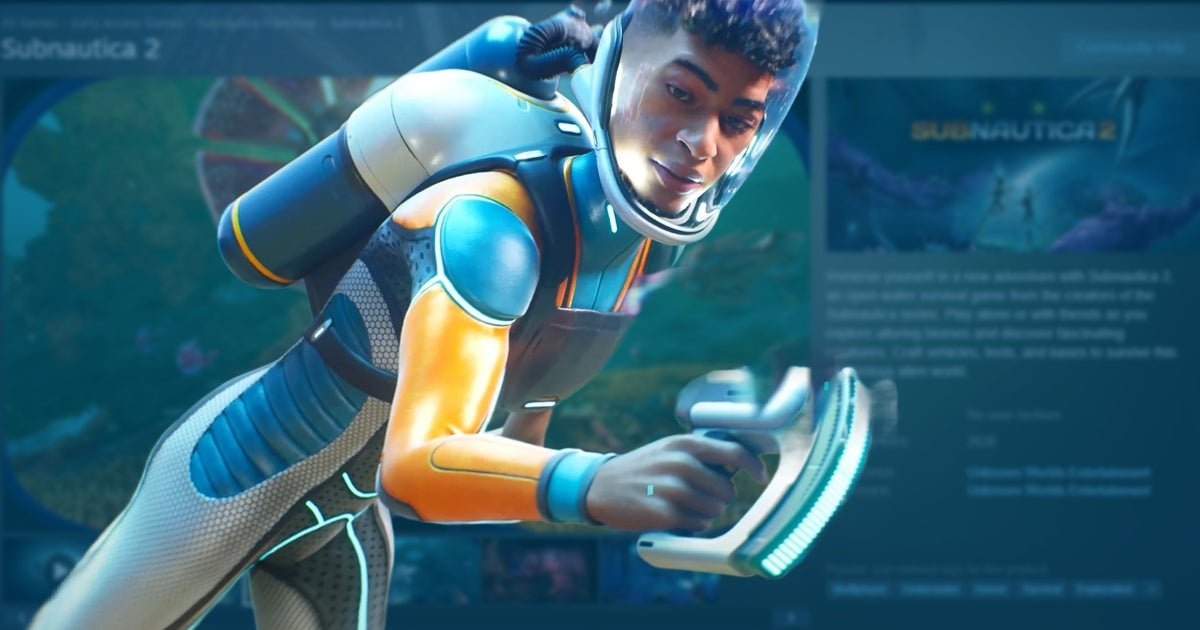
The team at Unknown Worlds Entertainment, the studio behind Subnautica 2, has faced this dilemma head-on. Co-op has long-since been high on the original game community’s wishlist, but what had to be changed within the Subnautica formula to make it work?
First, Subnautica 2’s design lead Anthony Gallegos told me in a recent interview, the team’s priority was to “capture the spirit” of the original Subnautica, matching it “across the board as a baseline” from the beginning of the sequel’s development. From here, the team then looked outward.
“We looked at what the best survival games out there were doing in terms of quality of life changes that we weren’t. Which of those changes were worth pulling over or improving on,” Gallegos said. “During that process there was a lot of thought about what the new thing was in what we wanted to make. So there were critical decisions made, like setting the game on a new planet with a new storyline. Subnautica is pretty solid mechanically, but we think when our players say they want something new, they want a new world to explore. Critically, a large portion of them also wanted co-op.” Naturally, despite the still-common perception amongst some players, that comes with significant challenges.
“Co-op makes everything significantly more difficult,” Gallegos said. “It’s a worthwhile feature, but everyone on the team has developed the muscle around making things single-player, so everything had to be replicated. You run into the classic multiplayer bugs, like ‘why doesn’t your flashlight shine a light for me?’. Oh, right, you need to replicate it. Should we have third and first person animations? Those classic trappings adding additional work.
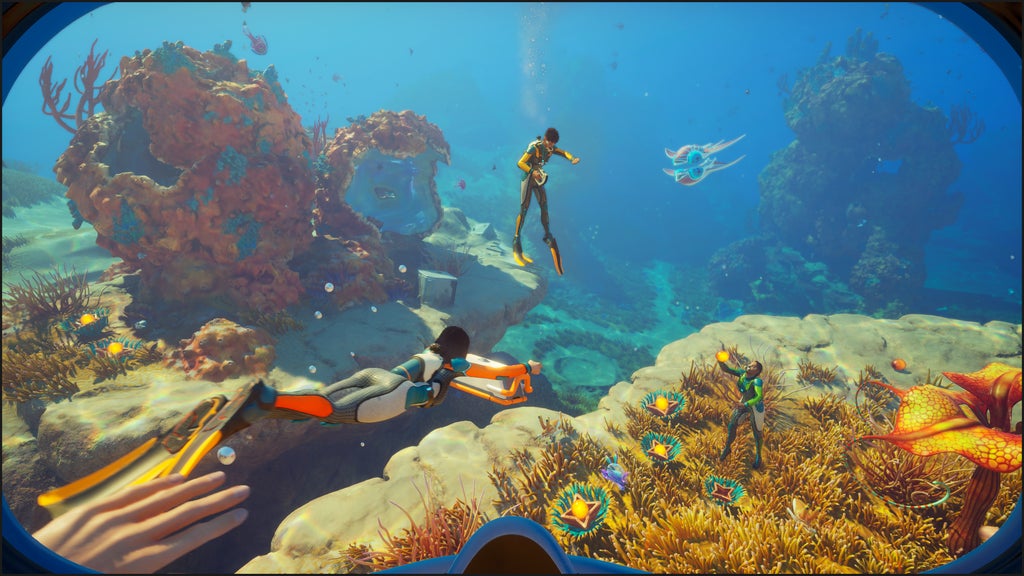
“But I wouldn’t say we struggled with it. Co-op was present in the game from its earliest inception. The team lead said everything in the game should be co-op playable. It helped us figure out the philosophy we had for Subnautica 2; we wanted a single player game that you could always optionally play in co-op.”
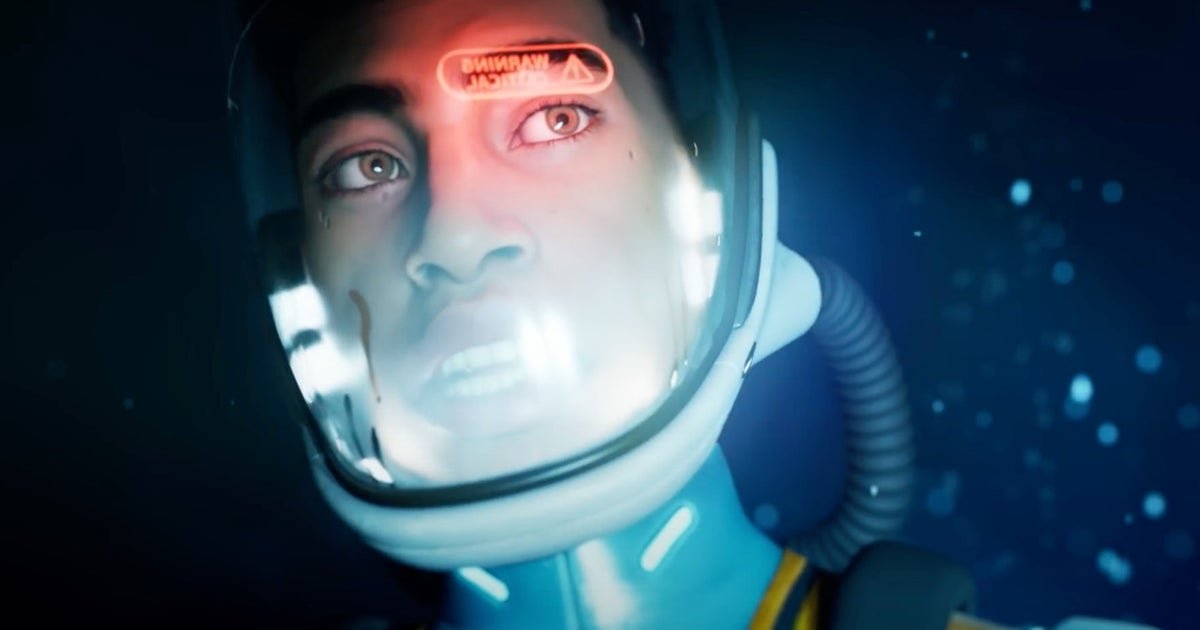
It did, however, encourage interesting discussion around the tone of Subnautica 2. The original game is a vast, exploratory adventure, like many survival games. You can build and scavenge like the best of them. You can also get jumpscared by a Crabsquid – a horrifying blend between the spindly legs of a horseshoe crab and bulbous round squid head. Even beyond the fauna, the lonely dread of running out of oxygen below the waves, fading away forever in some cave, is itself terrifying.
Adding co-op – and with it, the inevitable joviality a gaggle of voice-communicating friends brings to any game – threatens to swing a wrench at that tone. You only need to take a look at some of the more popular horror games released in recent years, the likes of Lethal Company, Content Warning, or Phasmaphobia being prime examples. Can that same Subnautica spookiness exist with friends by your side?
“What I found interesting for me was the online dialogue around the game. People would say ‘how can you make a Subnautica game scary if you have co-op? Is that even going to work?’ I can say now from experience it absolutely does,” Scott MacDonald, Subnautic 2’s creative media lead, said. “We’ve made internal co-op sessions at the studio, and suddenly you’ll see the collector leviathan coming from the foggy mist, with the music playing, the roar, and it reaching a tentacle towards you. When it grabs one of you, and you all try to run away, it’s exceptionally terrifying. We can all have a shared scary experience because we have it at the cinema, when you go with friends or colleagues.”
“Even minor things like inventories and having them be shared among players had to be looked at,” said Gallegos. “Post-launch, one of the first things we’re going to add is a non-shared inventory for players, because we started letting people play co-op and found people wanted their own little pile of stuff people couldn’t plunder for crafting resources. It’s an example of a quality of life change we made – shared lockers – and co-op added a wrinkle to that. I’m positive we’ll find more of those, and that’s why we do an open development process like we do, so we can gauge how players interact with these features.”
Designing the game with co-op in mind has arguably allowed for a wave of new, scary opportunities. As MacDonald puts it, picking out an example of co-op impacted the development of Subnautica 2 more broadly: “I think for me it’s seeing how creatures interact with more than one player. In Subnautica 2 they can do more than in Subnautica 1, in that first game they could only track one, thanks to the PC specs we had at the time. You could barely do anything with AI – traditional AI. Creatures could only do one thing, focus on one thing, at a time. Whereas now they can track all of you, and make the best decision on who is doing what. Who is making the most sound, giving out the most light. In a co-op setting, it feels a lot more dynamic and alive.”
For Gallegos, co-op opens an air-tight hatch to those who otherwise may have not dived into Subnautica without it. “We hear people when they say they want isolation. It’s important and I agree with them. This is why people can do their first playthrough alone. I think co-op is a nice option for people who are a little more intimidated by the game, it provides that levity and support they need to get through it. That was certainly the case for me when I play The Forest or Sons of The Forest, I would never have played those games alone. But co-op let me play those games and not be totally scared.”