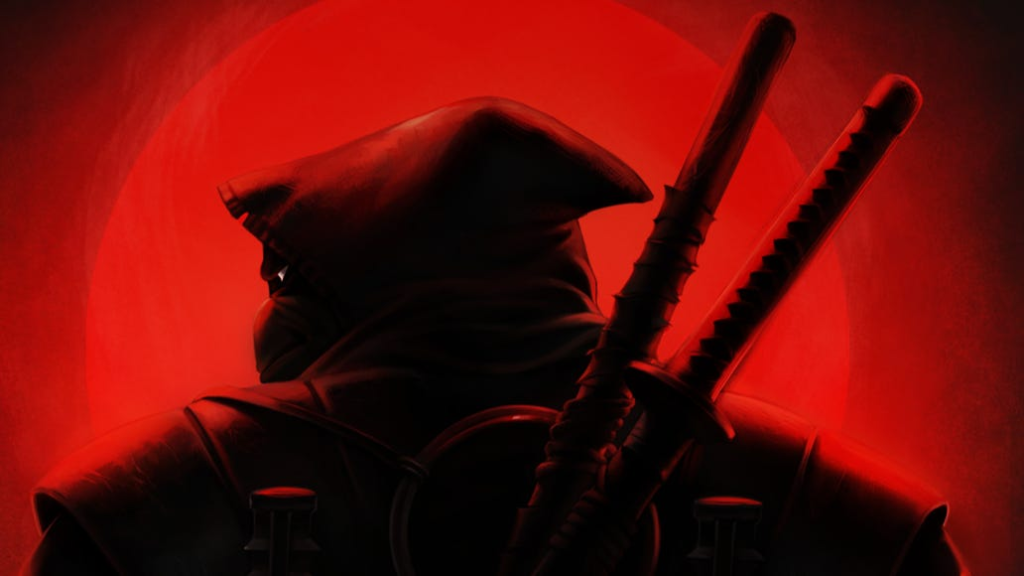
Paramount has made a significant move in the world of video games, and announced its first major project, Teenage Mutant Ninja Turtles: The Last Ronin from Bayonetta developer PlatinumGames.
The newly set up Paramount Games Studio includes all Paramount and Skydance gaming studios, including Skydance Interactive and Skydance New Media, in a major push into the triple-A space. As well as the Turtles game from Platinum, Paramount Games Studio is now publishing the recently delayed Avatar Legends: The Fighting Game.
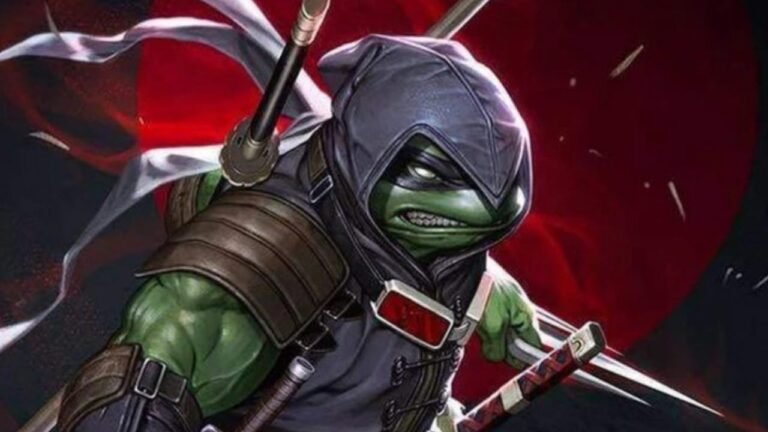
But let’s start with Turtles. Revealed during the Summer Game Fest showcase, Teenage Mutant Ninja Turtles: The Last Ronin is described as a “AAA action-adventure game” that is, as you’d expect from the name, based on the hugely popular comic book series. The Last Ronin follows the last surviving Ninja Turtle as he embarks on a desperate mission for vengeance. It’s early days, but expect a release on consoles and PC.
And if you’re slightly confused by this announcement given a Teenage Mutant Ninja Turtles: The Last Ronin game was already announced as in development at Embracer-owned studio Black Forest Games, that project is no more, Paramount confirmed to IGN. The Last Ronin was in development at Black Forest and publisher THQ Nordic, but at some point before Skydance merged with Paramount in August last year development had stopped. Paramount Games decided to continue development and opted to go with Platinum.
Ahead of today’s announcement, IGN interviewed Shawn Kittelsen, senior vice president, head of creative and production at Paramount Games Studio, to find out as much as possible not only about the Turtles game, but what Paramount is trying to achieve here. He compared the ambition of the Turtles game to Nier: Automata, which Platinum also worked on, and said fans of Paramount’s fast vault of franchises can start to get excited for more big video games based upon them.
IGN: Why is the formation of Paramount Games Studio important for our readers? What changes as a result of what you’re doing here that they’ll actually feel the effect of?
Shawn Kittelsen: If you are a fan of Star Trek or Teenage Mutant Ninja Turtles or SpongeBob or any of the franchises that live at Paramount, then this is a sea change in how Paramount approaches games, where previously games were strictly something that was licensed out and Paramount didn’t have an investment in. Now Paramount is treating games as a content pillar alongside film and TV, and we’re investing in games and we’re publishing games. We’re taking a stronger hand in the quality and creative control of those games. So we are elevating games in a big way. And that means if you’ve been a fan of these franchises and you’re like, where are the triple-A TMNT games? Where’s the love for Avatar: The Last Airbender? We’re going to bring those games that you’ve been waiting for to the platforms that you play on.
IGN: Do you now have a significant first-party development resource you can draw upon to actually build games yourselves? Turtles is with Platinum, which is an external developer. Will you be developing games yourself?
Shawn Kittelsen: Yes. So we have Skydance game studios: Skydance New Media, which was co-founded by Amy Hennig, that’s working on Marvel 1943, and then Skydance Interactive, which is the team that had worked in VR on titles like The Walking Dead: Saints & Sinners and Behemoth. Both of those teams are in the future going to be publishing games under the Paramount banner. We’re going to be making games for the franchises that we own. We’re going to be making games for original IP. We believe that games is a place where IP and new franchises can originate. So we want to take some calculated bets there.
And then there’s going to be emerging IP as we develop new franchises within Paramount. Those might also start in games as they make their way across all media. So the plan is to do a mix of first-party development, third-party development or co-development, and then still some licensing where it makes sense. If there is a franchise or a genre or a platform that we’re not prepared to invest in and really give our best attention, then that’s a great opportunity to find the right partner and license with them.
But because we’re also publishing and making our own games, we can be a bit more selective about where we license to make sure that we’re curating the maximum quality for each IP. We don’t want to just shotgun things out there and flood the market. We really want to make sure that when people see a Turtles game or a SpongeBob game or whatever, that they see that and they associate quality with it. And that means that over time we will want to grow our first-party development. But I think if there’s anything that the 2020s has taught us, it’s don’t get over your skis by being too acquisitive in this industry and just building up a giant war chest of studios without being prepared to manage them effectively, to guide them towards the right projects and make sure that you can bring those projects to market. So we’re taking the mixed approach and then building very, very conscientiously.

IGN: Let’s talk about Turtles. Platinum has a fantastic reputation for action games. It does feel like the perfect match, really. So it’d be great to get some insight into how this project began and why you thought Platinum was the right fit.
Shawn Kittelsen: From the jump, the idea of PlatinumGames and The Last Ronin seemed like peanut butter and chocolate. They went together very, very well. It was the kind of no-brainer pitch in terms of, could this work? Absolutely. When we started Paramount Games at the end of last year, building out the division and the team and looking at the slate, there wasn’t a Last Ronin game in development at the time. There were some previous partnerships that had gone away. So we were very, very excited to say, “Well, let’s get going on this. Let’s make that the first thing that we focus on.” And Platinum had some really awesome creatives who were excited about The Last Ronin and had a pitch. And when we saw their pitch, it was about so much more than what we expected.
I expected to hear a lot about combat and action and we did, but we also heard a lot about the heart of this story and what The Last Ronin means to Turtles fans who grew up with TMNT and now can look back on their lives and see that things have changed, and they’re more complicated, and they live in a different world, and they want the next generation to be able to enjoy the things that we all enjoyed when we were younger. So when they came in and they’re like, “It’s about the seasons of life and how we all love this thing and how it changes as we grow older but we still love it, but it’s not the same,” that hit different for me because okay, these guys not only understand the action component very well and obviously have those chops, but they understand this story and the work that Kevin Eastman [co-creator of the Teenage Mutant Ninja Turtles] and Tom Waltz, the Escorza Brothers and Peter Laird and everyone else who contributed to The Last Ronin, they will honor the source material with an adaptation that really gets into the heart of the characters and the themes.

So that’s the first big AAA project that we greenlit and that we’ve been working on. I think it represents everything that we want Paramount Games to be: the right fit between the team and the IP. They’re fans of it. We don’t want people who are non-fans being forced into making a game just for a paycheck. We want people who would bleed for these characters with or without the job. Like, they would be out there making fanfic. So we’ve got all the right ingredients to say, “Okay, this is exactly what we want to make as a company and this is a great game to represent the best of what we can do with our characters and with our future.”
And then I’m personally invested in The Last Ronin because I’m working on the story for it. I haven’t written a full game since Mortal Kombat 11 and the Aftermath content. I was a narrative lead on MK11 and Injustice II. So I have actually written for Turtles before, because we had the Turtles in Injustice 2 as guest characters. So it’s nice to come back to the Turtles.
But Yohei Shimbori, who’s the director at PlatinumGames working on The Last Ronin, he also comes from fighting games. He was a producer on Tekken 8. He was on the Dead or Alive series for a number of years. And when we met, we got along. It was very much peanut butter and chocolate. And when we talked about what his ambitions for the story for the game were, one of the things that he talked about was how he really wanted to marry Japanese action with Western storytelling, and make an adaptation that really challenged what Platinum has done in the past with stories, and try to meet the bar set by things like Nier: Automata, when you think of the best stories in PlatinumGames.
And we talked about, “Hey, well, we’ll get some Western writers.” And he said, “Well, I really love Injustice 2 and MK11 and your work. We could work on this together.” If you throw that out there to me and it’s like, “Oh, you mean I don’t have to… Oh, I could do that?” That was an irresistible opportunity. So I’ve got a narrative director, Mike Rogers, on our team who we’re working with as well on the story. Mike just worked on the Invincible VS fighting game with Robert Kirkman. I guess we’re a bunch of old fighting game hands who are coming together to make the ultimate Turtles action adventure now.
IGN: It sounds like it’s early on.
Shawn Kittelsen: It’s early on, but the terms of the deal are fully executed. We’re already multiple milestones deep and getting into prototyping and building our way to all of the pieces that we need to go scale full production. So it’s early days.
IGN: You mentioned Nier: Automata as a point of comparison. That’s a masterpiece in many people’s eyes. You’re shooting high!
Shawn Kittelsen: That’s the trick. I started my career working on the Arkham games at DC Comics. That’s how I got connected to NetherRealm and WB Games in the first place. I think we don’t want to treat any of these as just opportunities to bring something that people know to games. It’s cultural stewardship for us. It’s, what’s the best way to bring this to an audience? I think The Last Ronin comics are some of the best books of the last five, 10 years, but even so there’s only an audience that’s so big for comics. And when we bring the story to games, I hope that it drives a lot more people back to the comics and go back and rediscover that story in the comics, because we’re going to be pushing towards such a big global audience. So we’re very excited about what we can do with this one.
And like I said, it’s a passion project. I’ve already got enough of other jobs, so it takes a lot to convince me and my wife that I should be spending nights and weekends working on a game personally!
Wesley is Director, News at IGN. Find him on Twitter at @wyp100. You can reach Wesley at wesley_yinpoole@ign.com or confidentially at wyp100@proton.me.