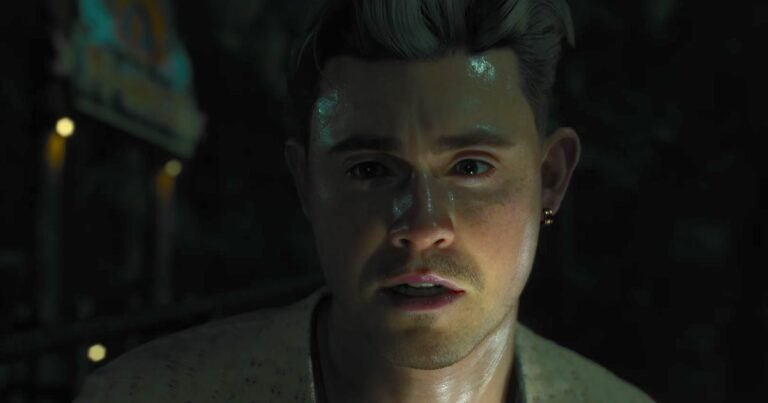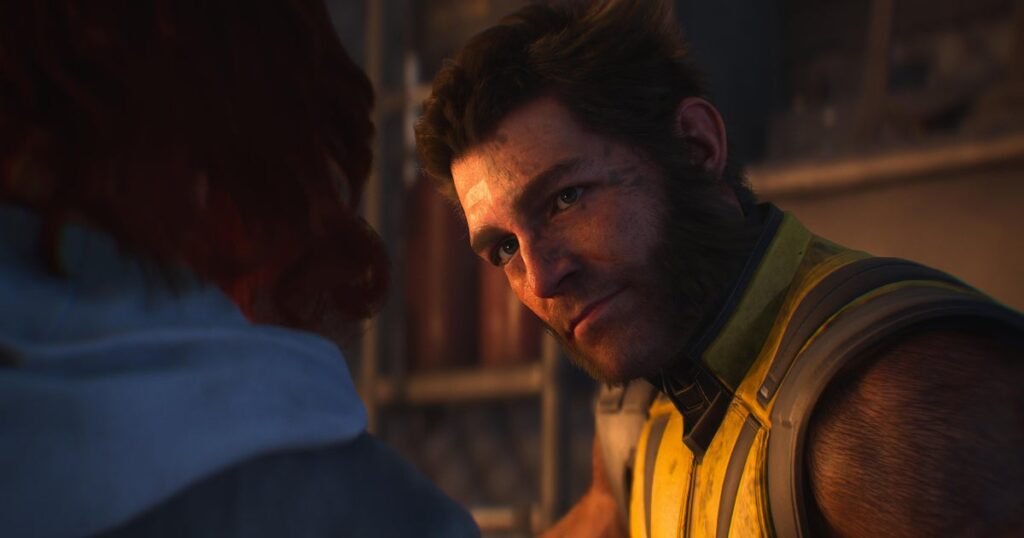
Wolverine’s characterisation is a bright spot in this otherwise underwhelming, old-school romp that reminds us how far action games have come.
I’ve always thought there were a few characters out there who were the perfect match for video games. Batman is always my classic example: he beats up bad guys, does stealth takedowns, and has a built-in arsenal of gadgets that can be conveniently designed for any design obstacle; he has a cool car and cape for driving and/or gliding around an open world, and he has preternatural detective sensibilities to help him solve environmental puzzles – or, I dunno, press R3 to see where to go next.
You can say the same for Spider-Man, I think, plus the Jedi – and Bond, of course, was another who finally got the typical action game protagonist revamp earlier this year. But the last, really obvious one to be modernised, to me, has been Wolverine. He has the combat skills down pat, and a nice diegetic reason to be able to infinitely heal his wounds and sniff out the way to the next objective or erstwhile collectible. He can scarper up walls and jump extra far. But he also goes a bit beyond the standard action stuff, because in many ways Wolverine is a perfect fit for what’s become the de facto modern day, western “prestige” triple-A gaming protagonist: a gruff, traumatised, middle-aged guy with a layer of molten tragedy beneath his crusty, battle-worn outer surface, ready to occasionally burst forth into a fountain of ultra-violent rage. Typically when you’ve hit lots of guys and then press two buttons together.
If you’re much like me you might feel this sort of thing is starting to get a bit overdone – especially within PlayStation’s first-party offerings, which, as I’ve written before, have all started to merge into one. Count how many Sony-developed games in the past five years have grapple hooks, climbable ledges, parries, gliders, RPG-lite skill trees, waist-high grass, ultra-simple environmental puzzles, and a form of rage meter that fills up until you can press L3+R3 or L2+R2 for an ultimate of some kind, and the formula doesn’t so much reveal itself as it does write it on your forehead in yellow paint.
Usually these all play out in a variation on the not-quite-open-world format, and for the longest time Marvel’s Wolverine was assumed to be another in the same mould. But to its benefit, it’s a little different – only a little, admittedly, as it does have about half of those things. And crucially, I need to add a big point of emphasis here as well: all these things, while never remotely groundbreaking, can still be very, very good fun. I’m a sucker for big, punch-powered bombast when the developers get it right, and especially so for weaving these more familiar mechanics into something new and spectacular (see: Returnal).
One of those points of difference is not to its benefit, despite the potential. Wolverine’s linear format, which could have been so refreshing, offering a chance for compactness and concentrated highlights, does nothing to prevent it becoming a repetitive, overlong and overfamiliar slog. But the other big one is: Wolverine, despite being perhaps the one, true sad-but-tough middle-aged protago-dude to end them all, is in fact here characterised entirely differently to what you might expect. This Wolverine is openly vulnerable, emotive, apologetic, kind. He’s a straight up action hero, despite his own protestations, and a totally charming one.

This not-what-you-might-expect vibe is matched by the narrative setup. There are no X-Men in Marvel’s Wolverine’s universe (or at least no team by that name), and instead we’re dropped into the action with Logan as a member of Team X, a deeper cut from the comics. Even that team has had a reworking, too: rather than the government unit it is there, Team X is here run by Nathanial Essex, a mysterious psychic-powered man from the 1800s (voiced and mo-capped by Troy Baker, with an enjoyably arch English accent). He’s also set up a kind of refuge-slash-base for the team called the Essex Institute, with the team finding and rescuing the increasingly scarce mutants of the world to offer them refuge, leading to the overall sense this is more of an alt-universe X-Men than something where they may someday appear.
Despite the deviation from any specific comic story, if you’re heavily plugged into them you’ll know where this goes – and frankly even if you’re only lightly aware of X-Men storylines you’ll be able to predict each turn long before it happens. The storytelling in Marvel’s Wolverine is broad and obvious – the theme of found family and resistance against the militarised rounding-up of minorities is present and correct, as it should be for an X-Men-adjacent story. (The upside of this is some especially satisfying skull-mashing; the downside that none of it is exactly subtle.)
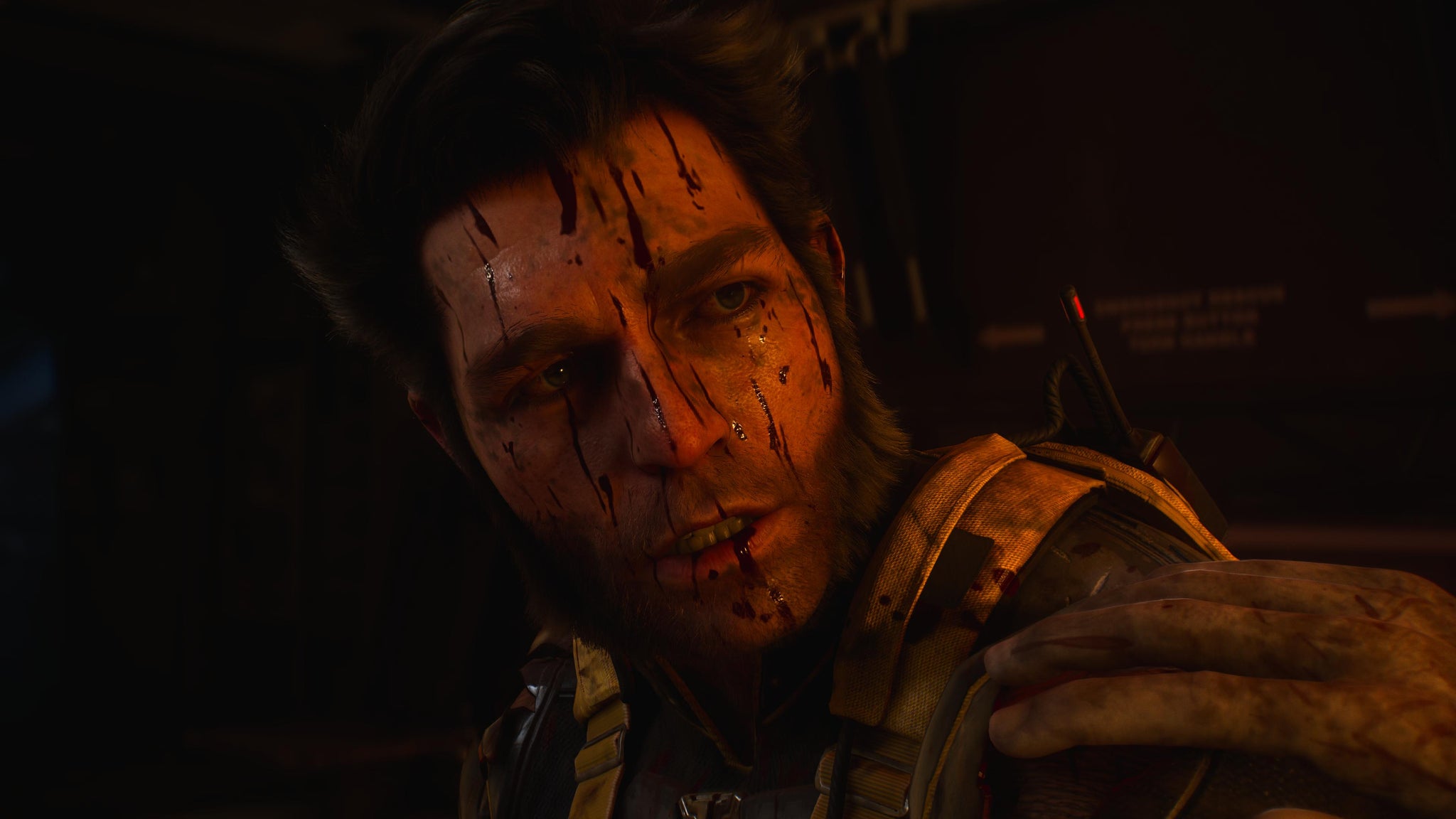
But then at the same time, the initial drop into the action will be disorientating for the vast majority of players who broadly know Wolverine from, say, the main X-Men films and their hazy memories of the 90s cartoon. The amount of exposition everyone needs to get through, and the fact we open somewhat in media res, with a bombastic tutorial level that’s actually Wolverine’s return to the team he’d apparently previously left, even though the player never saw Wolverine anywhere but firmly in the team, feels a little back to front.
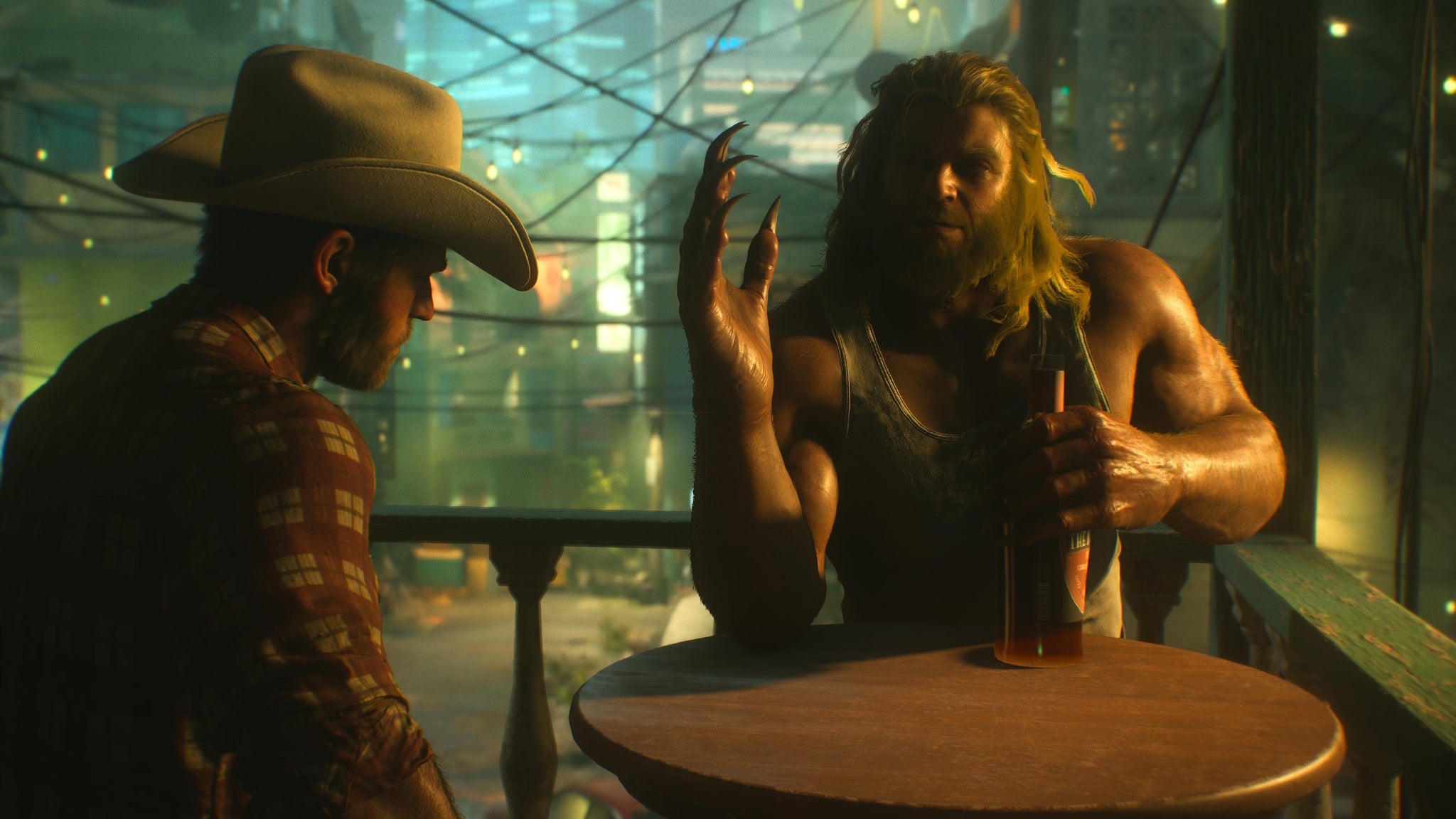
This is a minor thing but it’s actually a symbol of something wider I found with Marvel’s Wolverine’s story: a lot of the great character work is happening off-screen. There’s little of the usual soul-searching, small town Americana Logan you might’ve expected – especially from that barroom tease that revealed the game (which never happens in it, by the way) – and as a result, it can feel like Wolverine’s something of a passenger in his own story. The first third of the game is essentially just order-following for Essex, and all the key events that follow simply cascade down from doing stuff because that’s what happened to need doing at the time.
You kind of want to recall some lost memories, for instance, but also maybe you don’t, and that’s ratified by the game in the form of Nightmare Doors – optional, minutes-long challenges and time trials you can do to unlock a brief verbal recollection of a vague past. Their optionality is symbolic of how secondary this feels to Logan himself. To put it in totally insufferable armchair writer terms: it feels a little like Logan’s a character without a clear motivation. He’s dragged through the story by the nose (often literally, given the whole smell thing), rather than propelling himself – and you – forward through a clear desire of his own. There’s a way to do this sort of thing, where you make the lack of direction the point, an existential quest to find purpose and meaning, but that’s not it either. It’s all pretty disappointing, given how central things like a quest for identity or the overcoming of inner demons are to this character by default. The story’s right there for the taking. Instead, Logan’s famed memory loss is a plot device rather than a character-making one, and Wolverine’s just caught up in some villains’ villaining – and now several thousand people must be stabbed.
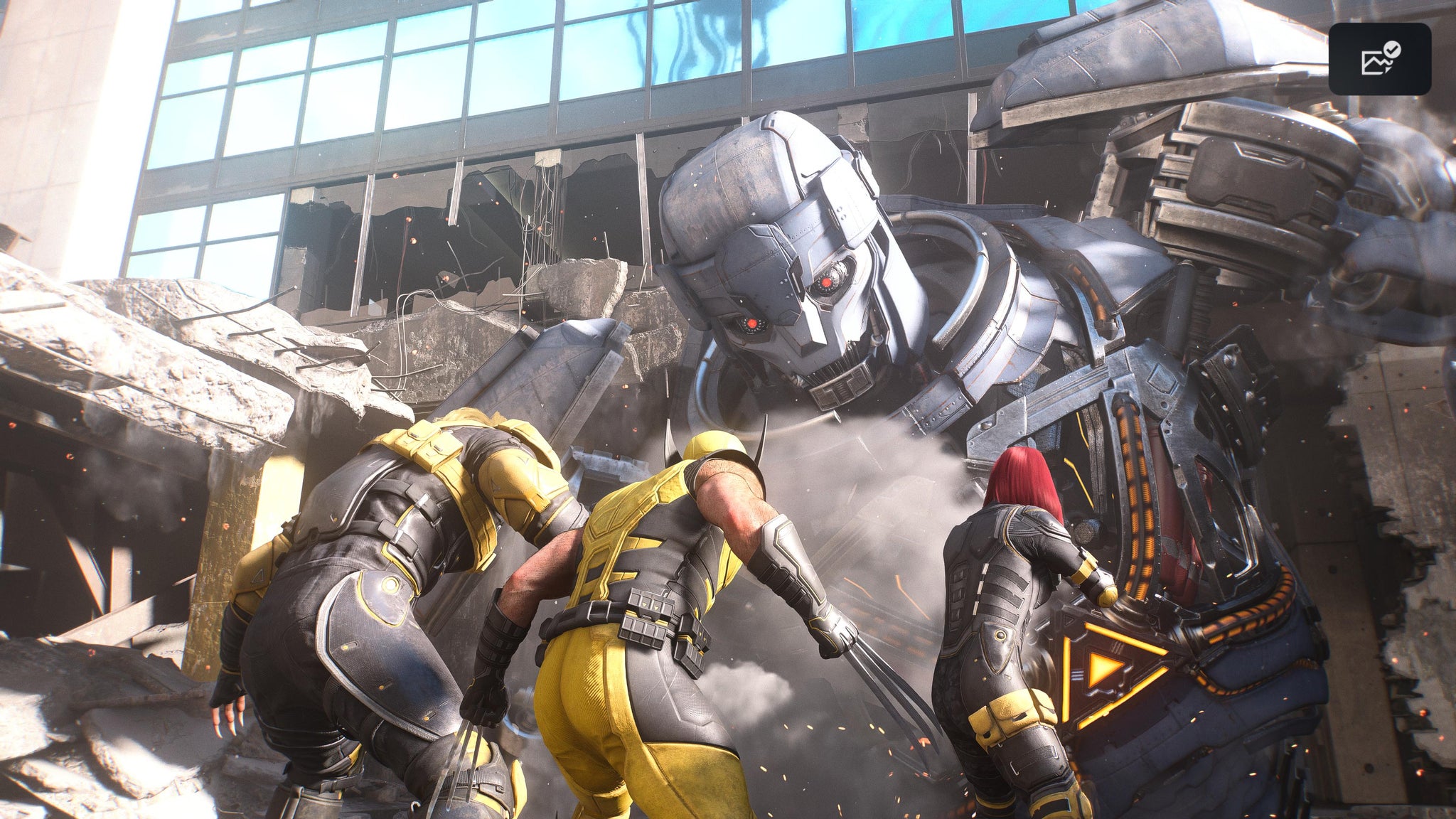
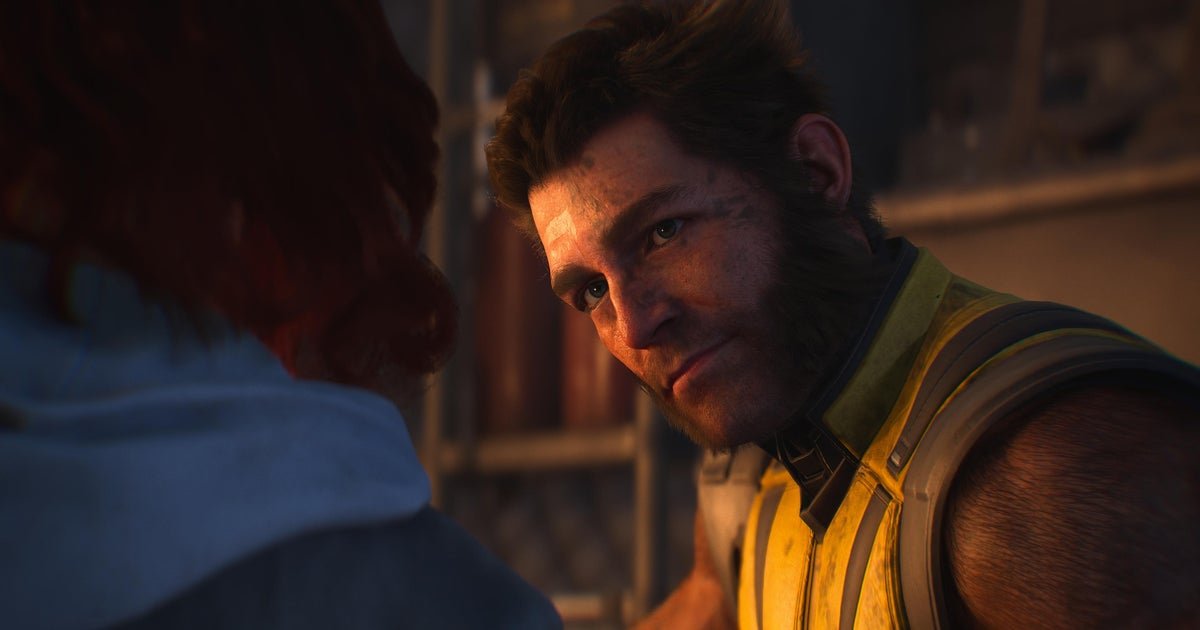
The flipside to all this however is that Wolverine himself, the way the character’s written and animated by developer Insomniac, and performed with a kind of enchanting, puppy-dog innocence by actor Liam McIntyre, will totally win you over. This Logan has sad eyes and a big smile. He drops a few good one-liners, in addition to the air-punching moments and expected catchphrases. This is very much the lying in bed, staring forlornly at a little picture frame Wolverine, though because he can’t remember anything of consequence here the picture is presumably of a bottle of whiskey or maybe a cool motorbike. This Logan kisses, hugs, rests his head on shoulders, role-plays as a cartoon cat-pirate for kids, rescues people because he cares about them, or sometimes just because it’s the right thing to do.
That disarming tenderness extends to the rest of the cast as well. Sabretooth, Logan’s best friend-slash-nemesis, seems only capable of talking in caps lock and has all the prerequisite violence and comedy brutishness, but in one fateful moment late on reveals himself as also something of a pussycat. Mystique is another wounded animal, lashing out viciously but often only out of an overabundance of love. Even Essex is chillingly accomplished at the gentle, crocodile teared non-apology. The only slight disappointment is Jean Grey, who’s performed perfectly well by Krizia Bajos, but given a bit of a dud hand here, written as a little excessively doting, and too often relegated to the role of door-opening, platform-lifting accomplice who could have easily had her own story brought much more to the fore.
The action, after all that, is similarly so-so. The rundown will sound familiar: you can slash with Square, finish a combo with Triangle, leap to enemies at middle distance, execute them in single blows from stealth, and perform special attacks that are on cooldowns, with L2 and one of the face buttons. Those special attacks are unlocked over time as you level up – there are only six in total, with minor upgrades to each – as are various other modifying abilities like, say, doing a slishy-slashy attack when you press a button while sprinting. Then there’s a separate skill tree, where you can pick a limited number of genetic tweaks at a given moment, unlocked by collecting hidden whiskey bottles found just off the beaten track, that give a sense of very light RPG-ness to things: you can build Wolverine more towards abilities and cooldowns, or to detecting collectibles, or to building and maintaining your rage meter.
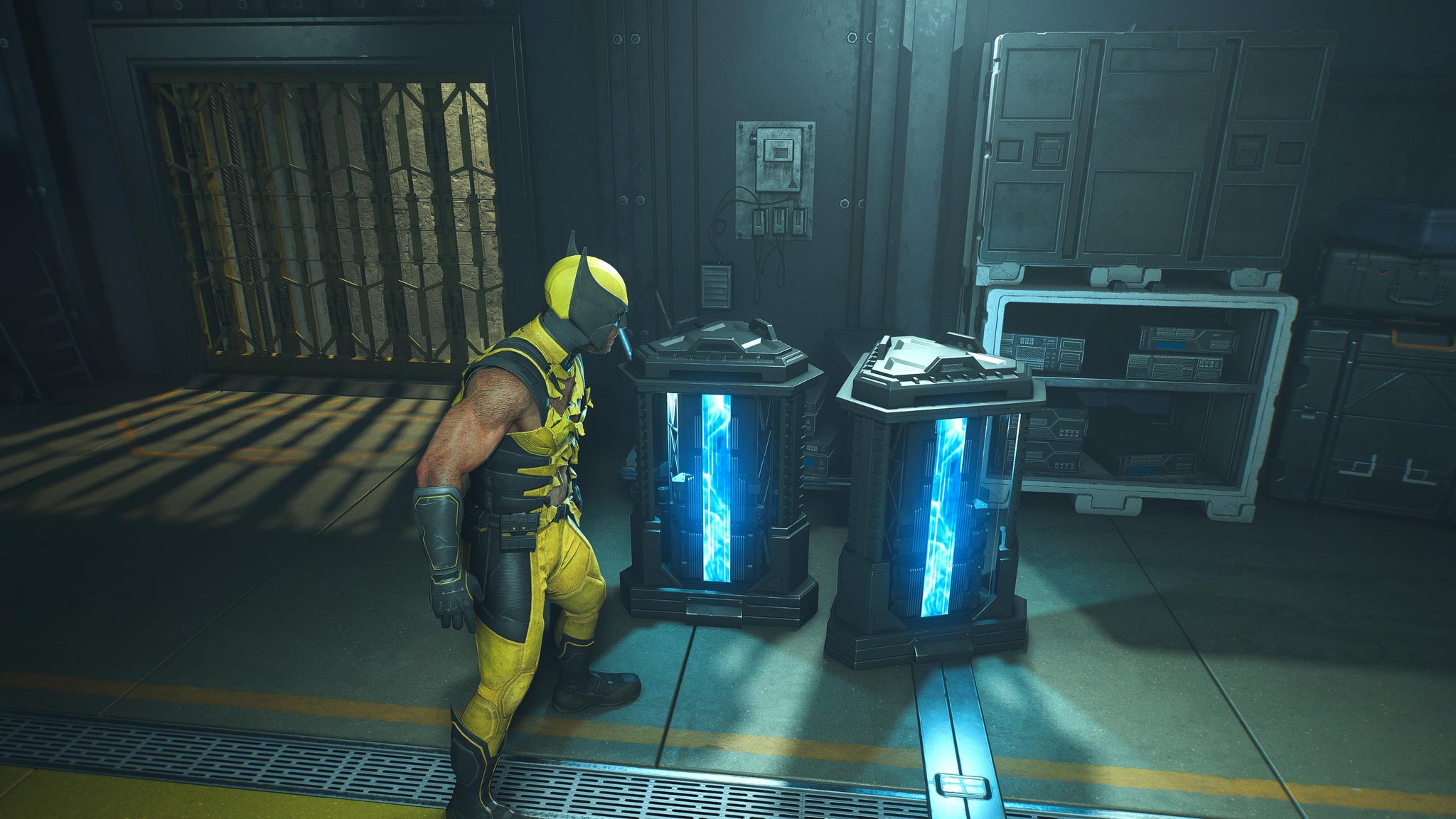
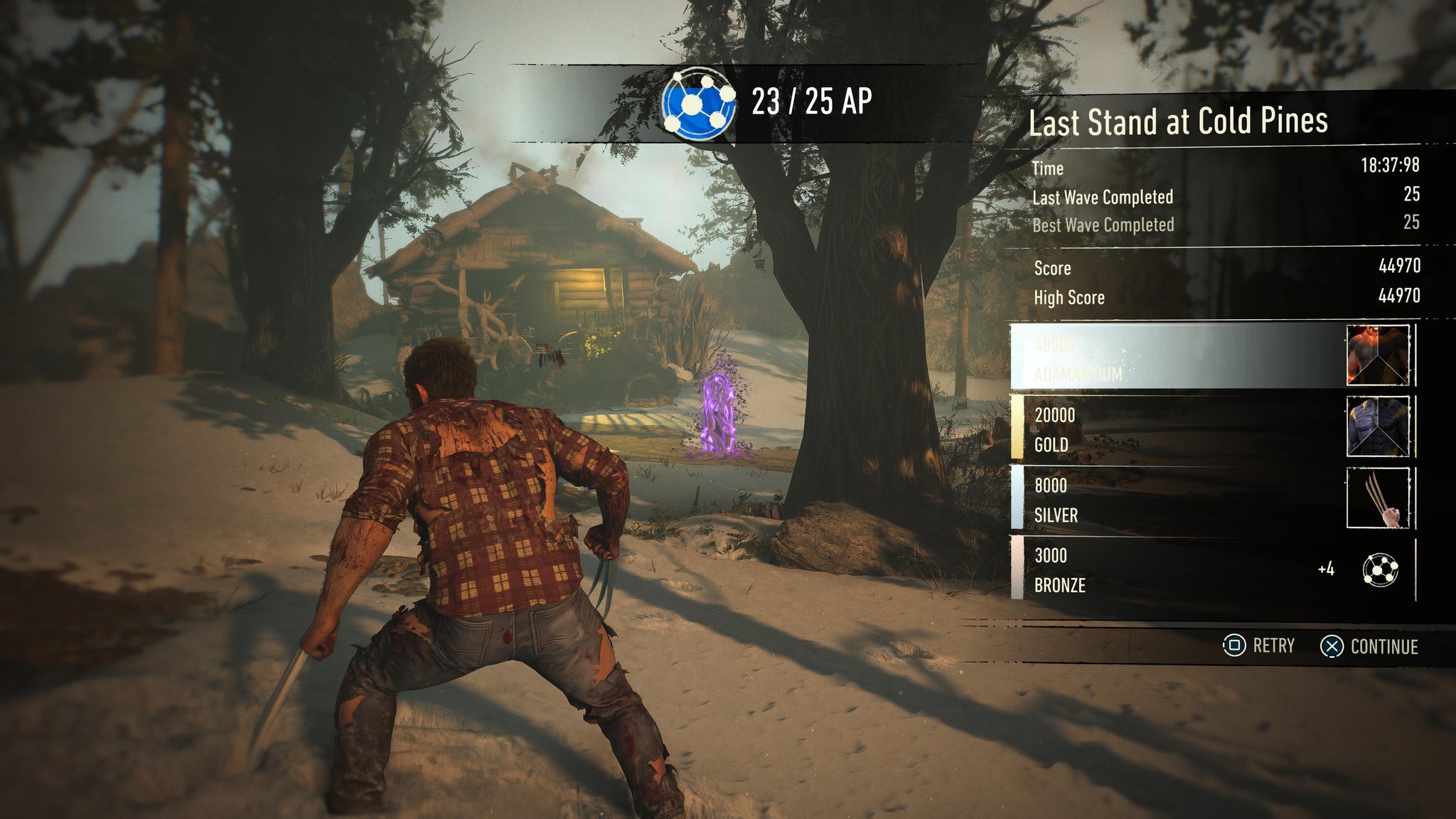
Aha – the rage meter! This one’s similarly familiar again: you build up rage by attacking enemies, faster by performing a “barrage”, which is where you mash Square at a stunned enemy to stab the absolute life out of them. On filling up one bar, your attacks and finishers get more powerful. On two, you start to Hulk Ou– sorry, go full Wolverine, and can now execute basic grunts and damaged foes by pulling both triggers when prompted. Speaking of prompts, there’s also a traffic light parry system – blue for parryable attack, red for non-parryable, gold for a “reckless attack” that does a lot of damage to you if you whiff the parry, or a lot of damage to them if you time it right. There’s also an ability to smash conveniently-placed molten-hot containers to get “hot claws”, which do more damage and make sparks fly with some nice particle physics, but that’s about it. And, in fact, that’s about it for the combat, frankly.
This is really the core disappointment of Marvel’s Wolverine. There’s just little to no invention throughout, and nowhere is it felt more prominently than in the fighting, which really has to be the backbone of a linear action game like this, let alone a Wolverine one. Much has been made of the gore – and it is ferociously gory – but that, as with much of the combat, gets old a little too fast. I should emphasise it’s not bad: there’s all the inherent satisfaction of a good parry-counter, of leaping around fully in character as this unleashed beast, of enacting righteous vengeance on your foes. It’s just there’s also a sense – that only builds over time – it’s all slightly too one-note and one-pace. Wolverine’s only settings are yelling and extra yelling, its effects only gory or extra gory, the tone rage or extra rage, the combatants (mostly) only grunts, extra grunts, or bigger grunts. The result is a feeling that you never quite hit the apex of all this action – there’s no climax, as we’re more or less at maximum rage-against-the-odds throughout.
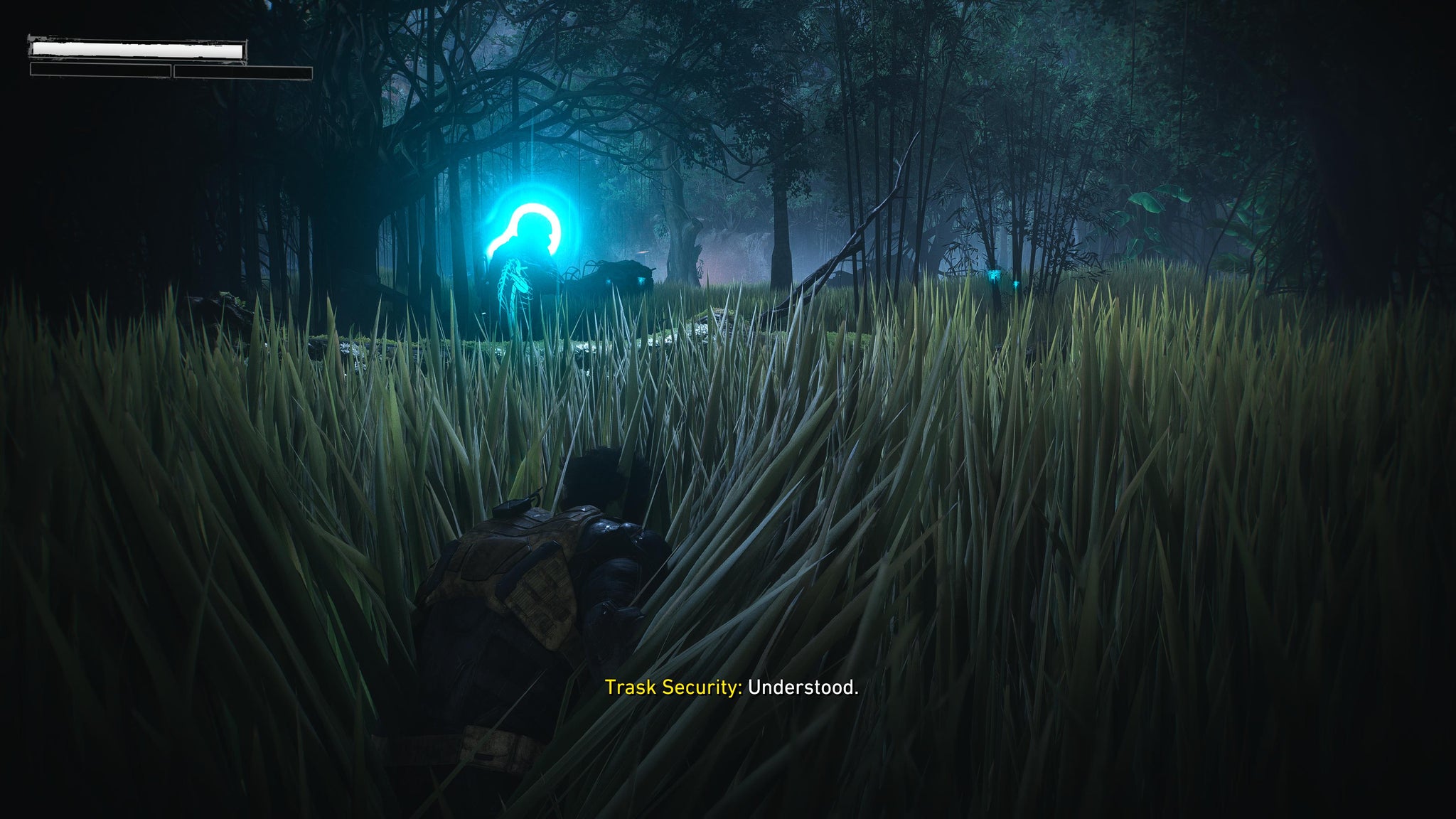
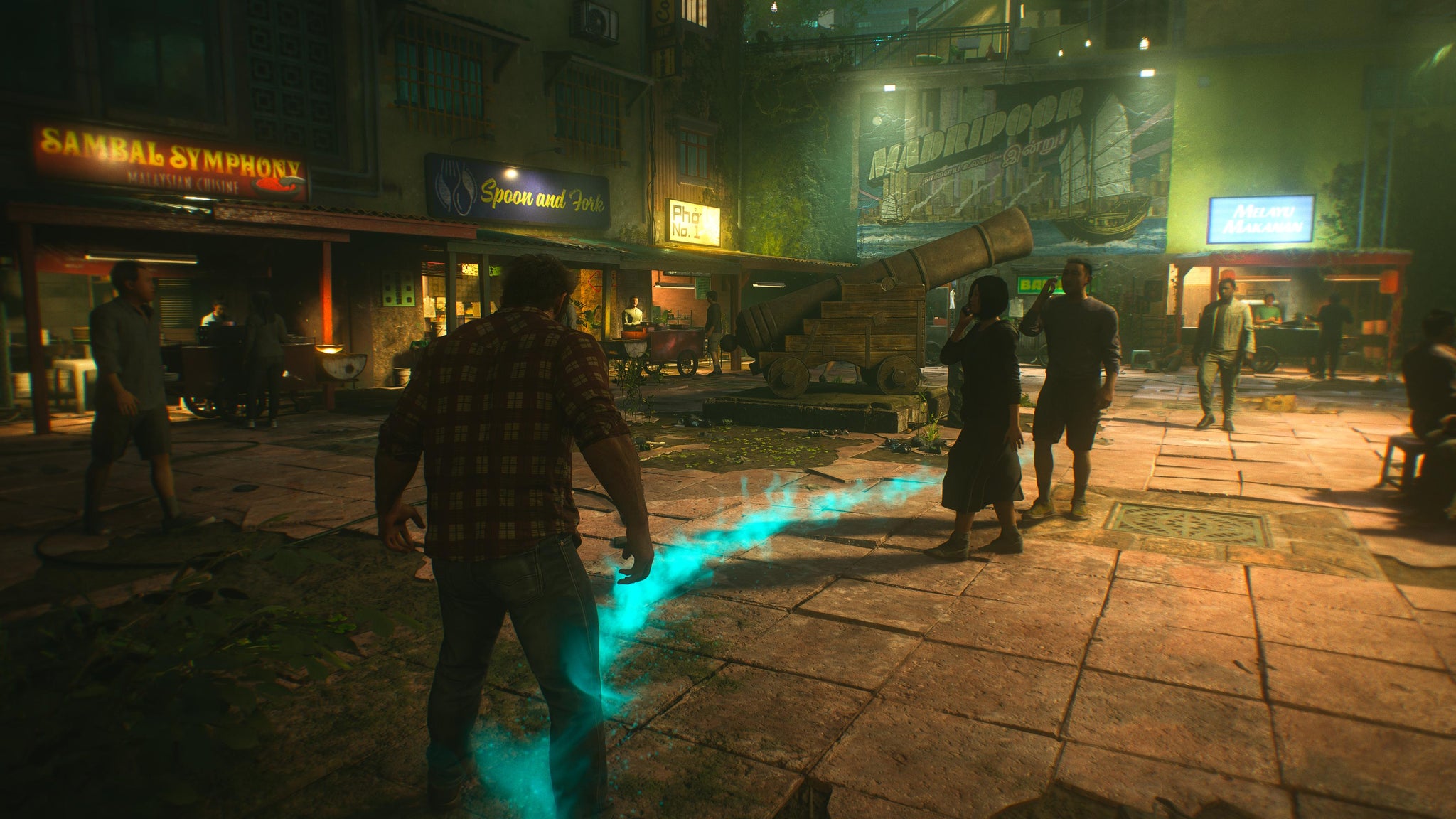
Meanwhile, after the fourth, fifth, sixth, seventh wave of jump-and-parryable-attack guys comes at you with the exact same cadence of parry timing and bullet-dodging you just start to glaze over a little. Ding, ding-ding… ding! Ding, ding-ding… ding! When you’re putting your fist through someone’s eyes, face, heart and feeling absolutely nothing, it’s a sign something’s a little off. In the blandest terms: too many of the same enemies, dealt with in the same way, for too long. There are bosses, but probably too few and again too familiar or predictable, given the material on offer. I look to other recent action games – God of War the obvious comparison, but also Insomniac’s own in the Marvel’s Spider-Man series – and the lack of agency you have as a player, the lack of expressive, inventive, melodramatic or just silly options you had for dealing with problems, is perhaps the true issue. Playing Wolverine I suddenly realised just how important it was that Spider-Man let you ping someone on the bonce with a manhole cover.
And this is the real crux of it with Marvel’s Wolverine. The sense I have – I’ve no evidence for this – is that this is an attempt at doing something a little more efficiently, budget-wise, than the infamously expensive Spider-Man games. They may have come to be a symbol of western triple-A’s funding largesse, but they were also a total blast because of it. Wolverine may still be a looker in places, and be perfectly capable of a good old fashioned, quick-time-event-powered set-piece, but it also feels strangely budget by comparison. The collectibles, for instance, feel perhaps aptly like something from a distant and half-remembered gaming past: identikit crates that give you +50 “material” for crafting unlocked suits; whiskey bottles that unlock upgrades; “caches” that are just glowing blue or red non-entities dotted around the place that you whack for XP. Even on the visual side things can feel a little stripped back, just occasionally: not-that-distant backgrounds fade into LOD murkiness, even on PS5 Pro, and NPCs are a little rudimentary. (Though as you’d expect for Sony first-party, there are still glorious looks in places, lots of shiny ray-tracing and sparkles and forearm hair, and it runs smooth as you like).
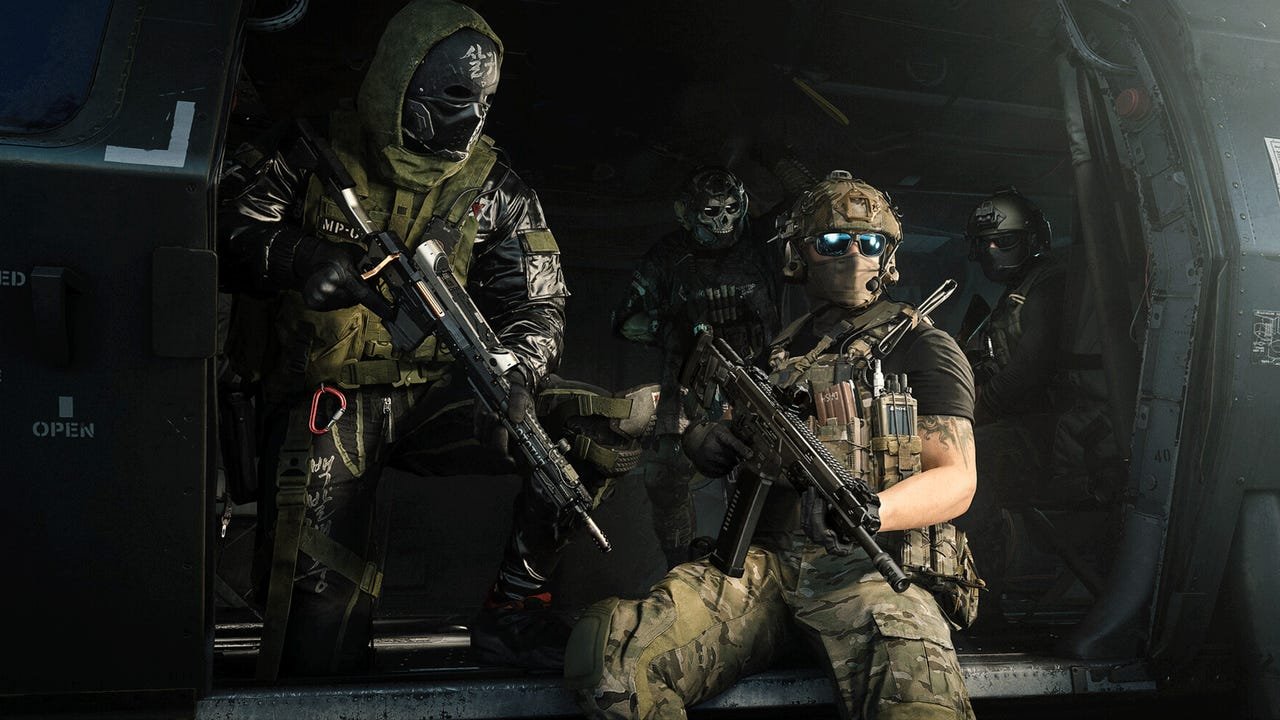
None of this need be an issue in its own right. Moving to a linear format versus an open world makes total sense, and there’s absolutely space for this kind of game. Long live the old-fashioned campaign blockbuster! But with so little invention Wolverine feels like less of a throwback than it does a relic. Memory sequences are – surprise – mostly variations on floating rocks in non-space. Mind-bending enemies quickly transform into meat-n-bones punchbags like the rest. QTEs abound. You look at the linear or linear-like campaigns of recent years, even setting aside the megablockbuster tier of say The Last of Us, and it struggles to compare. Set Marvel’s Wolverine against the time-and-space rending movement of Titanfall 2, the lavish ferocity and booming scale of the first modern God of War, the sheer fidelity of recent Call of Duty: Modern Warfares, the cinema of 007: First Light and directorial playfulness of Alan Wake 2, and there just isn’t the same spark. Even on the combat front things have evolved again, from the parrying of Sekiro, that makes you feel almost superhuman, to the sheer, bladed speed of, say, Ninja Gaiden 4. My hope is that this doesn’t discourage others from having a stab at a linear structure, if you’ll pardon the pun. But – oh god, forgive me – this one doesn’t quite cut it.
The result, sadly, is a sense that our old boy Wolverine is just caught behind the times. Were it not for the lovability of Logan himself, the animalistic warmth that Insomniac summons through its cast – and the sheer and genuine humanity that can be accessed through that – or the basic pleasure and occasional spectacle its action can offer when spread out into smaller doses, it could’ve been a bloodbath. Instead, it’s just fine. It might be in no small part thanks to the innate nature of the X-Men universe that it’s still ultimately enjoyable enough: these stories are all deeply sensitive characters and wearily timely themes. But still, there’s still just enough sincerity, character and camp here to keep this old dog alive.
A copy of Marvel’s Wolverine was provided for this review by Sony Interactive Entertainment.