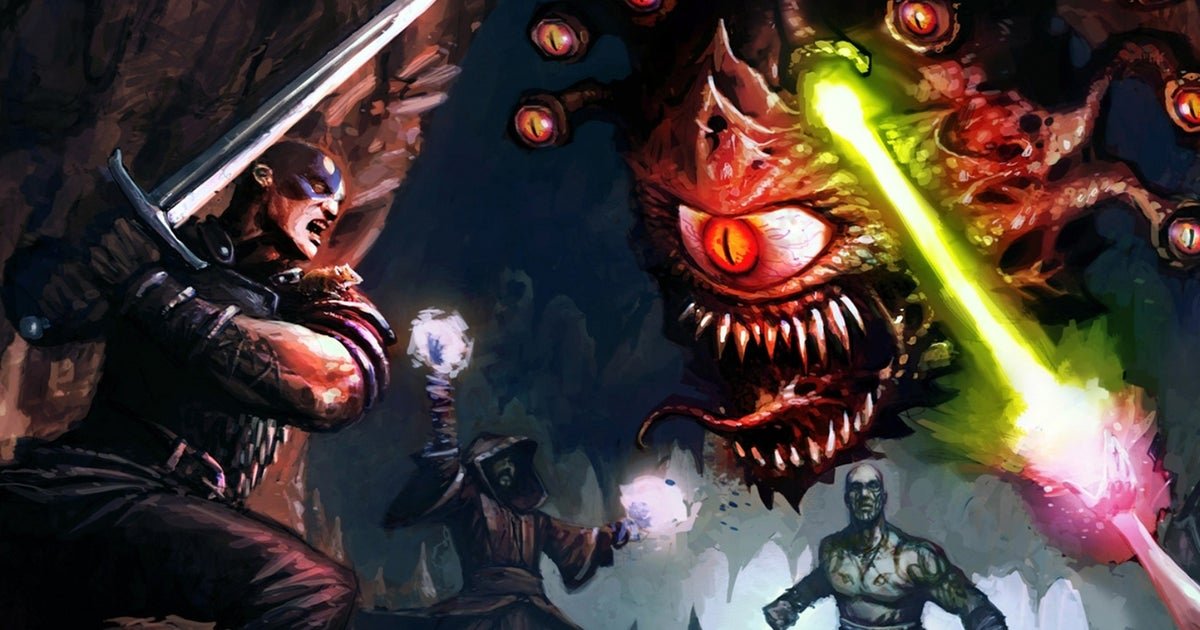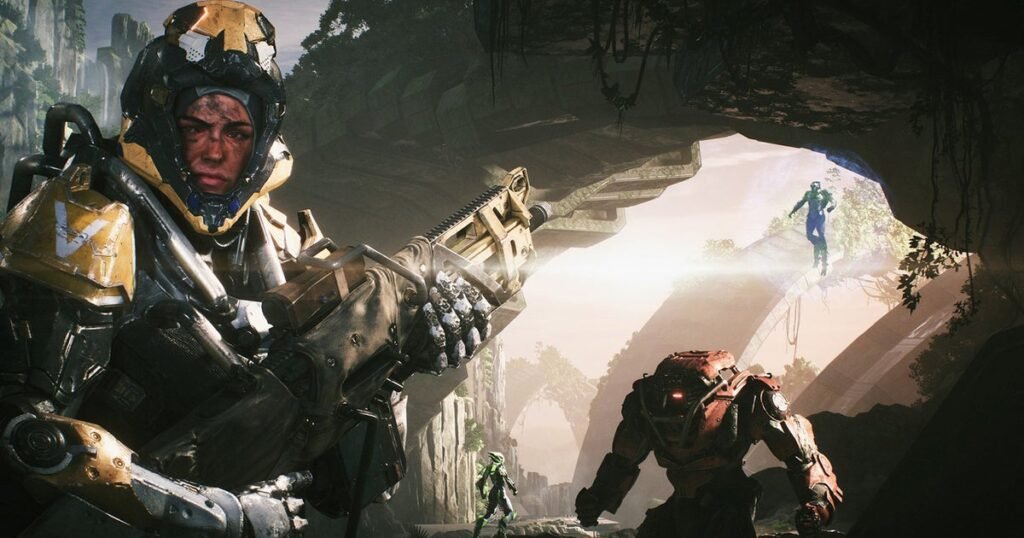
Is there a better way to fund live service games that won’t result in so many of them ending abruptly or being eventually turned off? Former Dragon Age and Anthem executive producer Mark Darrah believes there is.
Darrah, on his YouTube channel called Mark Darrah on Games, argued that a business model games don’t tend to use, but potentially could, is one that we’ve seen much more often in film: product placement. According to him, product placement is something the industry “should be considering because everything can’t be a live service, as we’ve, I hope, proven pretty definitively over the last year and a half”.
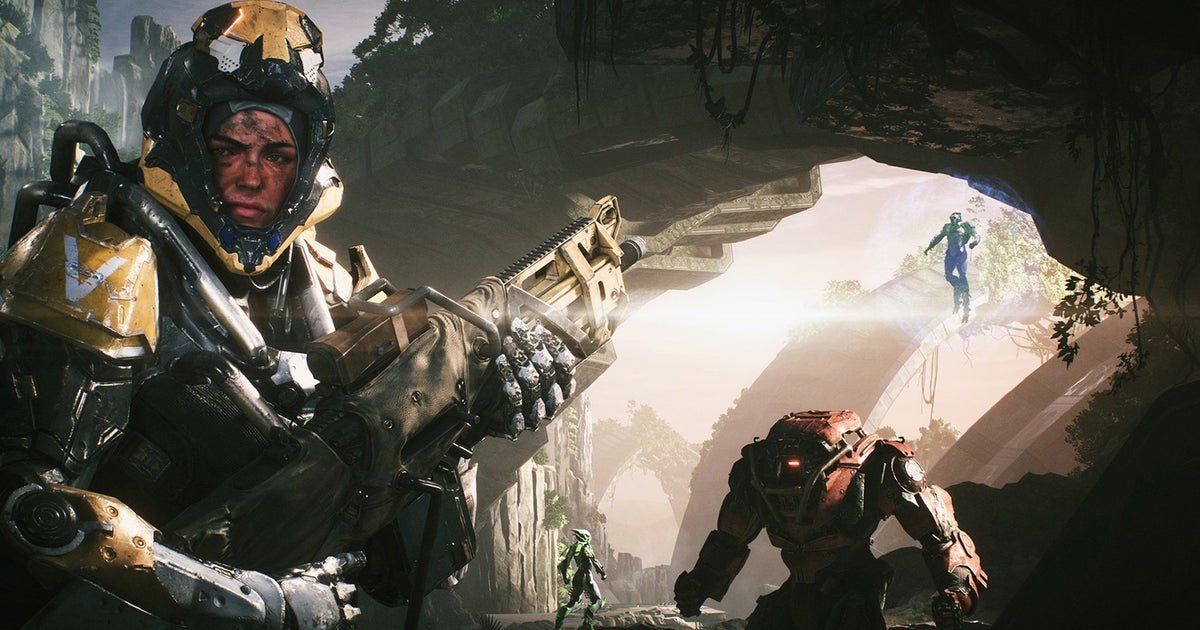
Darrah, remember, was around when Anthem launched and cratered at BioWare, so he’s seen live service dramas unfold. And as he said, things have worsened in recent years.
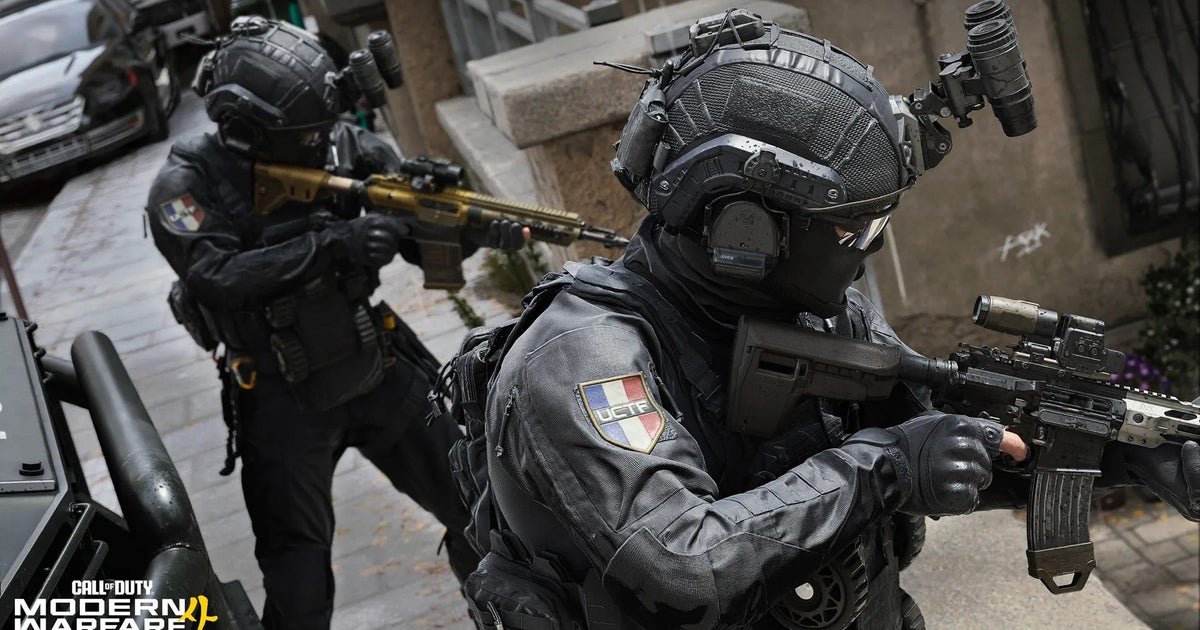
“The live-action Smurfs movie paid for itself entirely through product placement, so the movie was effectively made for zero dollars simply through the sale of product placement. Contrast that with the way that games make money,” Darrah pointed out. As budgets expand, games continue to get pushed into monetisation that goes beyond initial sales, even worse when they’re free-to-play releases.
“What tends to happen is the game tends to shift its focus from caring about all the players to mostly caring about the people that are actually generating revenue,” he noted, before saying subscription services like Xbox Game Pass also come with downsides too. “It does have some perverse incentives to encourage not necessarily player-friendly design in order to optimise for the thing you’re getting paid for.” In some cases, publishers and developers are getting paid for number of “session days” – the number of days during which a player logs into games, meaning player engagement takes precedence eventually, making the experience worse with exploitative design.

Since the live service microtransaction model is “entirely designed around putting monetisation ahead of player experience” in order to make money, Darrah said, a model like product placement might not only be more sustainable but also preserve player experience. Moreover, he thinks the live service model is “overemphasising certain genres and preventing other genres from flourishing”.
This isn’t the first time Darrah has directly addressed live service woes, as his deep dive into Anthem’s entire journey and what went wrong was quite revealing. Meanwhile, the Stop Killing Games movement is pushing serious discussions about the preservation of online multiplayer games and more transparent end of life plans.