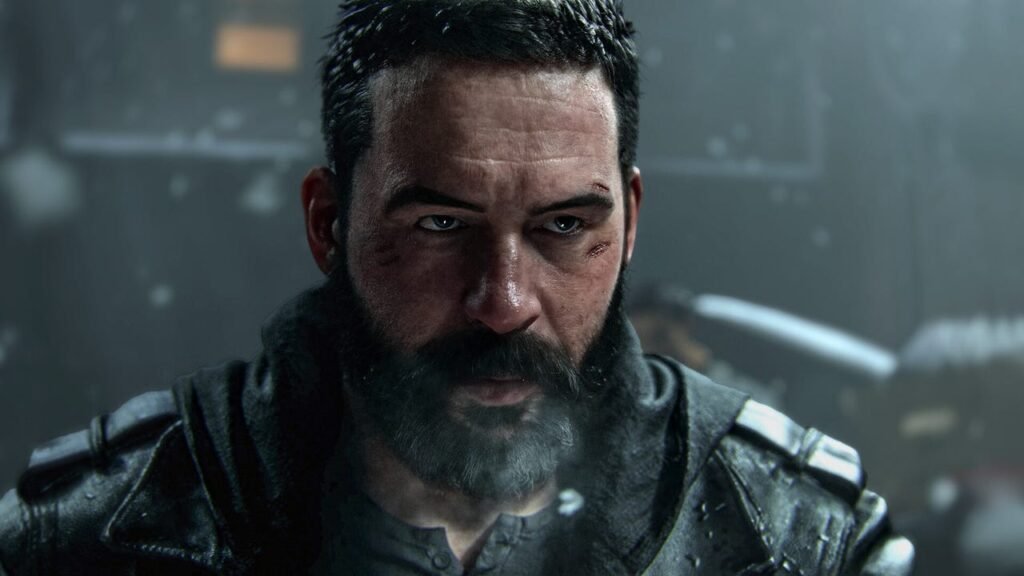
Ahead of Call of Duty: Modern Warfare 4’s release, Activision has spoken about the “multi-billion-dollar market” behind video game cheats.
Cheating is a fact of life in pretty much all online games, but Call of Duty has a reputation for it, exacerbated by the free-to-download battle royale, Warzone. Activision, like other video game companies, faces an uphill battle against cheaters and those who make and profit from them, and generative AI has made that battle even more complex.
Now, to hammer home the point about how big a deal video game cheating is, Activision’s Team Ricochet has posted a blog that breaks down the business behind it.
“Cheat sellers have built a sprawling, multi-billion-dollar marketplace of resellers, subscription services, cheat reskins, illicit accounts, spoofing tools, and organized distribution networks,” Activision said, pointing to recent analysis that suggests cheat subscriptions across just 15 games generates roughly $3.5 billion annually. Activision estimates that when you include adjacent industries such as account sales, boosting, spoofing, and other services, the broader cheating economy generates about $8.5 billion each year.
You might have seen Activision post bodycam footage of a Call of Duty cheat maker being served a cease and desist order — that’s part of the legal action the company takes here. But it’s also using “technical detection” to try to clamp down on cheat makers.
RICOCHET Anti-Cheat doesn’t end when your match does.
Cheat makers operate around the world. So do we. We’re taking the fight directly to cheat sellers.
Last weekend during the Closed Beta, we went to Ohio to takedown Elocarry.
That’s not an isolated case… pic.twitter.com/IP69qlGgDD
— Call of Duty (@CallofDuty) August 28, 2026
Activision said it’s “disrupted” more than 375 reseller operations, issued more than 80 cease-and-desist demands, and helped shut down 31 primary cheat vendors. “Cheat sellers often use marketing tactics and social posts to make their operations look stable, even when they are under significant pressure,” Activision said. “We’ve seen cheat developers use social platforms to explain months of downtime with excuses like ‘the flu,’ ‘surgery,’ or a ‘car accident’ rather than acknowledge their products were detected and no longer reliable. Those messages are part of the playbook they use to reassure customers while our systems continue disrupting their networks.”
Activision also pointed out that cheating is getting more expensive off the back of pressure it’s applying to the ecosystem. But still, some of the figures it’s released are eye-watering. It said cheaters could spend more than $1,000 a year just to cheat, when you consider some subscription cheats can cost upwards of $100 on the higher end, and spoofers add another recurring fee. DMA-related hardware and services drive the cost even more.
“Over the course of one year, some players spend hundreds of dollars — if not thousands — trying to maintain access to cheats, evasion tools, and replacement accounts,” Activision said. “Ultimately, cheating is a losing investment. Every time we identify and remove a bad actor, the money they spent cheating goes with them — all for a temporary ego boost.”
As always, the proof of the pudding is in the eating. Most accept Activision will never stamp cheating out of Call of Duty entirely, but the hope is that it will be less prevalent in Modern Warfare 4 than it has been in previous years.
Earlier this month, IGN interviewed David Andrews, Senior Director of Game Security for Call of Duty, to dispel some myths about Call of Duty cheating — and the work Activision does to prevent it.
Modern Warfare 4 launches October 22.

Wesley Yin-Poole
Director, News
Wesley is Director, News at IGN. Find him on Twitter at @wyp100. You can reach Wesley at wesley_yinpoole@ign.com or confidentially at wyp100@proton.me.